3D printing service models have transformed the way businesses and individuals approach manufacturing, design, and product development. Instead of relying solely on traditional manufacturing, companies now have access to a range of flexible, scalable, and cost-effective solutions for creating prototypes, functional parts, and even end-use products. Whether you are a startup looking to iterate quickly or an established manufacturer seeking to optimize production, understanding the different approaches to 3D printing services is essential.
In this article, we’ll explore the main types of service models available, their advantages, and how they fit into modern workflows. We’ll also highlight key considerations for choosing the right provider and integrating these solutions into your business strategy. For those interested in the intersection of advanced printing and textiles, you may also want to read about what is the future of smart textiles and printing.
Understanding the Spectrum of 3D Printing Service Models
The landscape of 3D printing service models spans from rapid prototyping to full-scale, on-demand production. Each approach offers unique benefits, depending on your project requirements, budget, and timeline. Let’s break down the most common models and how they are used in practice.
Rapid Prototyping: Accelerating Product Development
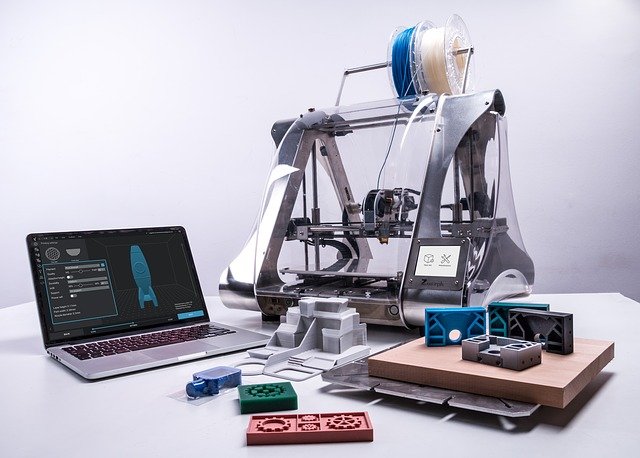
Rapid prototyping is one of the earliest and most popular uses of 3D printing. This model allows designers and engineers to quickly turn digital designs into physical objects, often within hours or days. By leveraging additive manufacturing, teams can test form, fit, and function before committing to expensive tooling or mass production. This approach is especially valuable for startups and R&D departments seeking to iterate quickly and minimize risk.
Many service providers offer a range of materials, including plastics, resins, and even metals, to suit different prototyping needs. For those interested in exploring the latest hardware, check out professional-grade 3D printers for rapid prototyping.
Bridge Manufacturing: Filling the Gap Between Prototype and Production
Bridge manufacturing is a service model designed to help companies transition from prototyping to full-scale production. This approach is ideal when you need a limited run of parts—often in the hundreds or low thousands—before investing in traditional manufacturing methods like injection molding. Bridge manufacturing leverages the flexibility of 3D printing to produce functional parts quickly, enabling businesses to respond to market demands or conduct pilot launches without significant upfront costs.
Key benefits include reduced lead times, the ability to make design changes on the fly, and the option to use end-use materials for real-world testing. This model is commonly used in industries such as automotive, aerospace, and consumer electronics.
On-Demand Production: Flexible Manufacturing at Scale
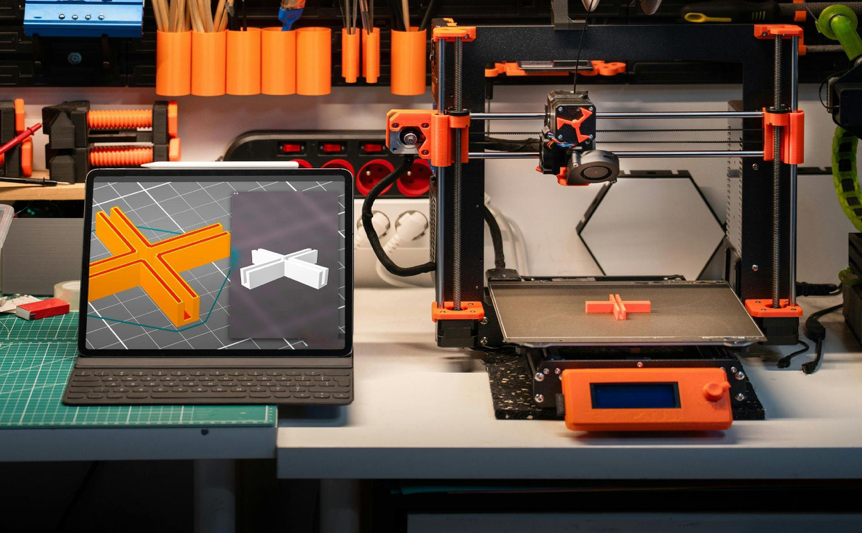
On-demand production is a service model that enables businesses to manufacture parts or products only when needed, reducing inventory costs and waste. This approach is particularly effective for low-to-medium volume runs, custom products, or spare parts that may not justify large-scale manufacturing. By leveraging digital inventories and distributed manufacturing networks, companies can quickly fulfill orders, respond to customer needs, and adapt to changing market conditions.
On-demand production is increasingly popular in sectors such as healthcare (custom prosthetics and dental devices), fashion (bespoke accessories), and industrial equipment (replacement parts). This model supports just-in-time manufacturing and can be integrated with e-commerce platforms for seamless order fulfillment.
Key Benefits of Modern 3D Printing Services
Adopting advanced 3D printing solutions offers a range of advantages over traditional manufacturing. Here are some of the most significant benefits:
- Speed: Rapid turnaround times from design to finished part.
- Cost Efficiency: No need for expensive tooling or molds, especially for low-volume production.
- Customization: Easily produce unique or highly customized parts without added complexity.
- Material Versatility: Access to a wide range of plastics, resins, and metals for different applications.
- Reduced Waste: Additive processes use only the material required, minimizing scrap.
- Supply Chain Resilience: Localized or distributed manufacturing reduces reliance on global supply chains.
Choosing the Right 3D Printing Service for Your Needs
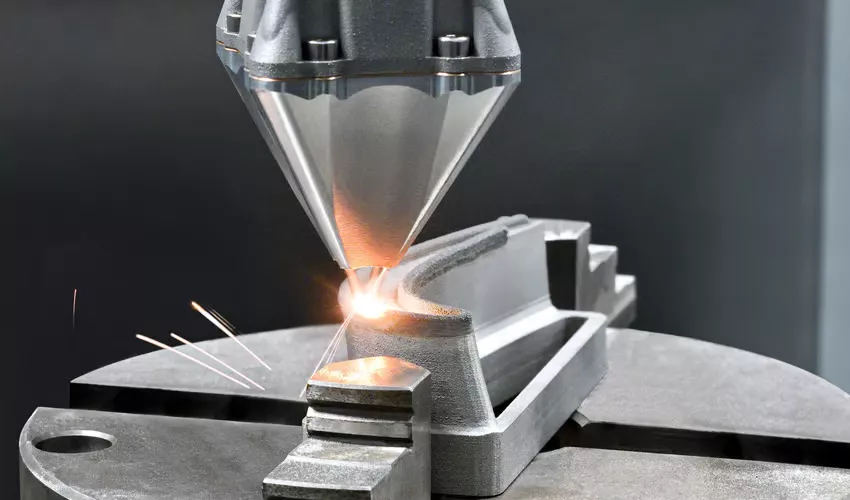
With so many options available, selecting the right provider and service model can be challenging. Here are a few factors to consider:
- Project Scope: Are you creating a prototype, a small batch, or full-scale production?
- Material Requirements: Does your application require specific materials, such as high-strength polymers or metals?
- Lead Time: How quickly do you need your parts delivered?
- Quality Standards: Does your industry have regulatory or quality requirements that must be met?
- Integration: Can the service provider integrate with your existing digital workflows or supply chain?
It’s also important to evaluate the provider’s experience, customer support, and ability to scale as your needs evolve. For businesses in the fashion and textile sector, exploring topics like how to use digital printing for fashion trend forecasting can offer additional insights into integrating additive manufacturing with other advanced technologies.
Applications Across Industries
The versatility of additive manufacturing has led to its adoption in a wide range of industries. Some notable examples include:
- Aerospace: Lightweight, complex components for aircraft and spacecraft.
- Healthcare: Custom implants, prosthetics, and dental devices tailored to individual patients.
- Automotive: Rapid prototyping, tooling, and end-use parts for vehicles.
- Consumer Products: Custom accessories, electronics enclosures, and home goods.
- Education: Hands-on learning tools and models for STEM programs.
As the technology matures, more sectors are discovering the benefits of flexible, digital manufacturing. For those interested in unique materials, exploring how to print on cork and non-traditional materials can further expand the possibilities of 3D printing.
Integrating 3D Printing Into Your Workflow
To maximize the value of modern service models, businesses should consider how to best integrate additive manufacturing into their existing processes. This may involve:
- Collaborating with design teams to optimize parts for additive manufacturing.
- Digitizing inventory and using on-demand production for spare parts or custom orders.
- Combining traditional and digital manufacturing for hybrid workflows.
- Leveraging data analytics to identify opportunities for cost savings and efficiency.
For small businesses or individuals, setting up a home studio is increasingly accessible. Learn more about how to set up a small scale fashion printing studio to explore creative and entrepreneurial opportunities.
Frequently Asked Questions
What are the main types of 3D printing service models?
The primary models include rapid prototyping (for quick design iterations), bridge manufacturing (for limited runs before mass production), and on-demand production (for flexible, just-in-time manufacturing). Each serves different needs depending on volume, speed, and customization requirements.
How do I choose the right material for my 3D printed parts?
Material selection depends on the intended use of your part. Common options include plastics for general prototypes, resins for high-detail models, and metals for functional, high-strength components. Consult your service provider to match the material properties with your application.
Can 3D printing services be used for end-use production?
Yes, many providers now offer solutions suitable for producing finished goods, not just prototypes. On-demand production models allow for the creation of custom, low-to-medium volume products that meet industry standards for quality and durability.
What are the benefits of using on-demand 3D printing over traditional manufacturing?
On-demand additive manufacturing reduces inventory costs, shortens lead times, enables customization, and minimizes waste. It is especially valuable for producing spare parts, custom products, or items with unpredictable demand.
How is 3D printing impacting industries like fashion and textiles?
3D printing is enabling new forms of customization, rapid prototyping, and the use of innovative materials in fashion and textiles. For more on this topic, see our article on benefits of localized printing for global brands.