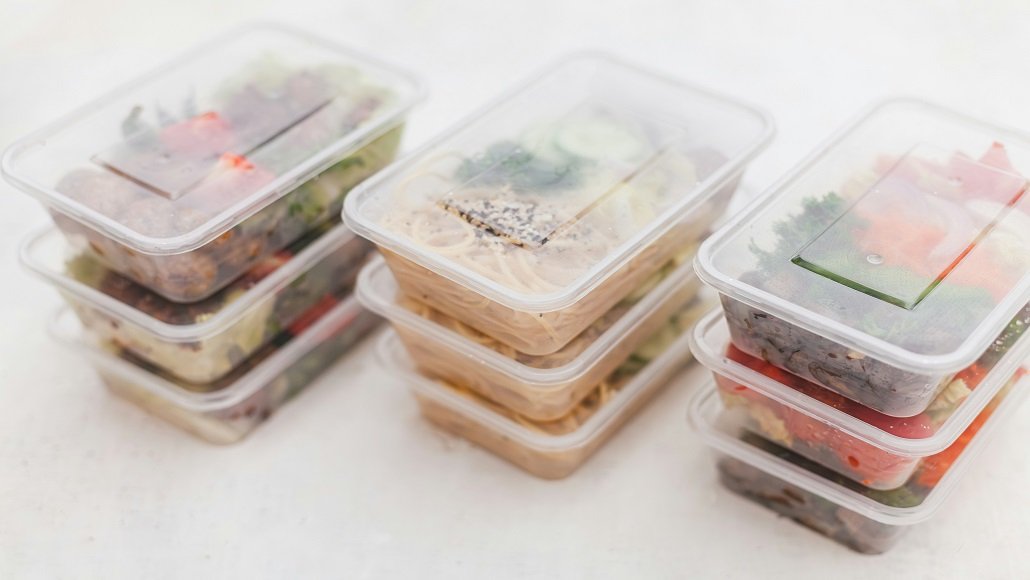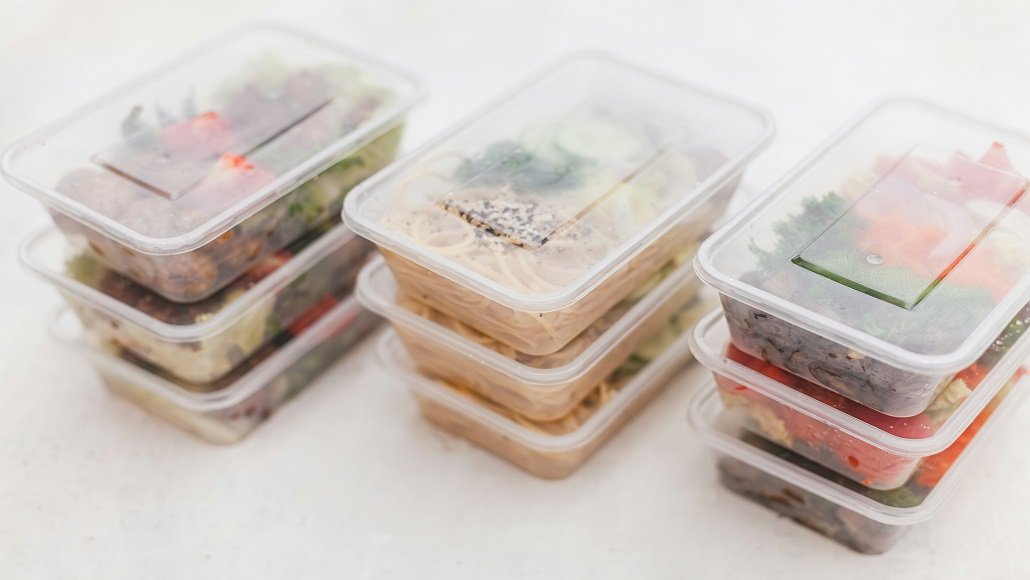
As the demand for takeaway and delivery food continues to rise, the importance of food-safe packaging for takeaway meals has never been greater. Whether you run a restaurant, café, or food truck, choosing the right containers is crucial for maintaining food quality, ensuring customer safety, and meeting regulatory standards. This guide breaks down what makes packaging safe for food, explores common materials, and offers practical advice for businesses looking to make informed choices.
Understanding the essentials of packaging safety can also help you stand out in a competitive market. From preventing contamination to supporting sustainability, the right packaging does more than just hold your food—it protects your brand and your customers. If you’re interested in how packaging innovations are shaping other industries, you might also want to learn about what is the future of smart textiles and printing for further insights.
Why Food Safety Matters in Takeout Packaging
When food leaves your kitchen, it’s exposed to a range of risks before it reaches the customer. Food-safe packaging for takeaway meals is designed to minimize these risks by creating a barrier against contaminants, moisture, and temperature fluctuations. Packaging that isn’t specifically made for food can leach chemicals, harbor bacteria, or fail to protect against spoilage, leading to health hazards and potential legal issues.
Regulations vary by country, but most require that materials used for food contact are non-toxic, odorless, and resistant to grease and moisture. Packaging must also be durable enough to withstand handling and transport, ensuring that food arrives in the same condition it left your kitchen.
Key Features of Safe Packaging for Takeaway Foods
To ensure your containers meet safety standards, look for these essential features:
- Food-grade certification: Materials should be certified for direct food contact by relevant authorities such as the FDA or EU.
- Leak and grease resistance: Prevents spills and maintains food integrity.
- Temperature tolerance: Suitable for hot, cold, or frozen foods without degrading or releasing harmful substances.
- Secure closures: Lids and seals that prevent contamination and keep food fresh.
- Non-reactivity: Packaging should not react with acidic, oily, or spicy foods.

Common Materials Used in Takeaway Food Packaging
There are several types of materials commonly used for food-safe packaging for takeaway meals. Each comes with its own benefits and considerations:
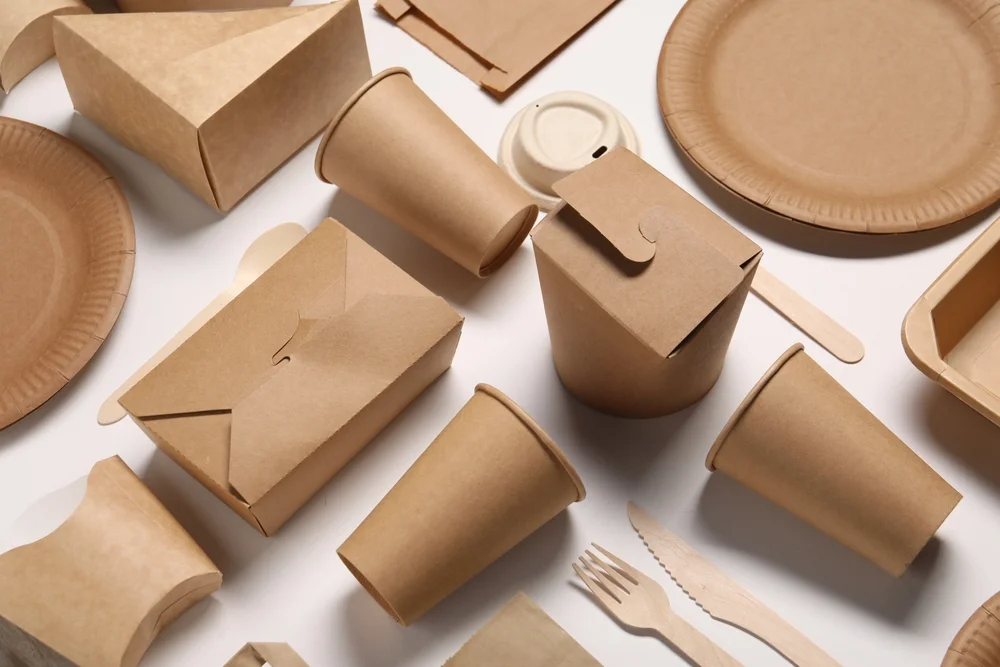
- Paper and Cardboard: Widely used for boxes, cups, and bags. Often lined with a thin layer of plastic or wax to enhance moisture resistance. Compostable and recyclable options are available.
- Plastic (PET, PP, PLA): Lightweight, durable, and versatile. PET and PP are popular for their clarity and strength, while PLA is a biodegradable alternative made from plant starches.
- Aluminum: Excellent for heat retention and suitable for oven use. Commonly used for trays and foil wraps.
- Bagasse and Other Plant Fibers: Made from sugarcane or wheat straw, these materials are compostable and offer good heat resistance.
- Glass: Less common for takeout due to weight and breakability, but sometimes used for premium or reusable packaging.
For a deeper dive into the advantages and disadvantages of various packaging types, explore this comprehensive guide to common food packaging materials.
How to Choose the Right Packaging for Your Takeaway Business
Selecting the best option for your menu and operations involves balancing several factors:
- Type of food: Hot, cold, wet, or dry foods may require different materials and designs.
- Brand image: Eco-friendly or premium packaging can enhance your brand’s reputation.
- Budget: While sustainable options may cost more upfront, they can attract environmentally conscious customers.
- Local regulations: Some regions restrict the use of certain plastics or require compostable materials.
- Logistics: Consider stackability, storage space, and ease of use for staff.
Sustainability and Environmental Considerations
With increasing awareness of environmental issues, many businesses are seeking food-safe packaging for takeaway meals that is also eco-friendly. Options such as compostable containers, recyclable plastics, and biodegradable paper products are becoming more accessible. However, it’s important to verify claims of sustainability and ensure that packaging meets both food safety and environmental standards.
Switching to greener packaging can also be a selling point for your business, appealing to customers who value responsible practices. Be transparent about your choices and educate your staff and customers on proper disposal methods to maximize the impact of your efforts.
Best Practices for Ensuring Food Safety in Takeaway Packaging
Beyond selecting the right materials, there are several steps you can take to ensure ongoing safety:
- Store packaging in a clean, dry area away from chemicals and contaminants.
- Train staff to handle packaging with clean hands and avoid touching food-contact surfaces.
- Use tamper-evident seals to reassure customers that their food hasn’t been compromised.
- Regularly review supplier certifications and request documentation for food-grade compliance.
Staying informed about industry trends and innovations can help you adapt to changing regulations and customer expectations. If you’re interested in how digital printing is influencing packaging and branding, consider reading about how to use digital printing for fashion trend forecasting.
Frequently Asked Questions
What materials are considered food-safe for takeaway containers?
Materials such as food-grade paper, cardboard, PET and PP plastics, aluminum, and certified compostable plant fibers are commonly used for safe takeaway packaging. Always check for certifications indicating suitability for direct food contact.
How can I tell if packaging is truly safe for food?
Look for clear labeling or certifications from regulatory bodies (such as FDA or EU food contact compliance). Reputable suppliers should provide documentation confirming that their products meet food safety standards.
Are eco-friendly packaging options as safe as traditional ones?
Yes, as long as they are certified for food contact. Compostable and biodegradable containers must still meet the same safety and performance standards as conventional packaging to protect food quality and consumer health.