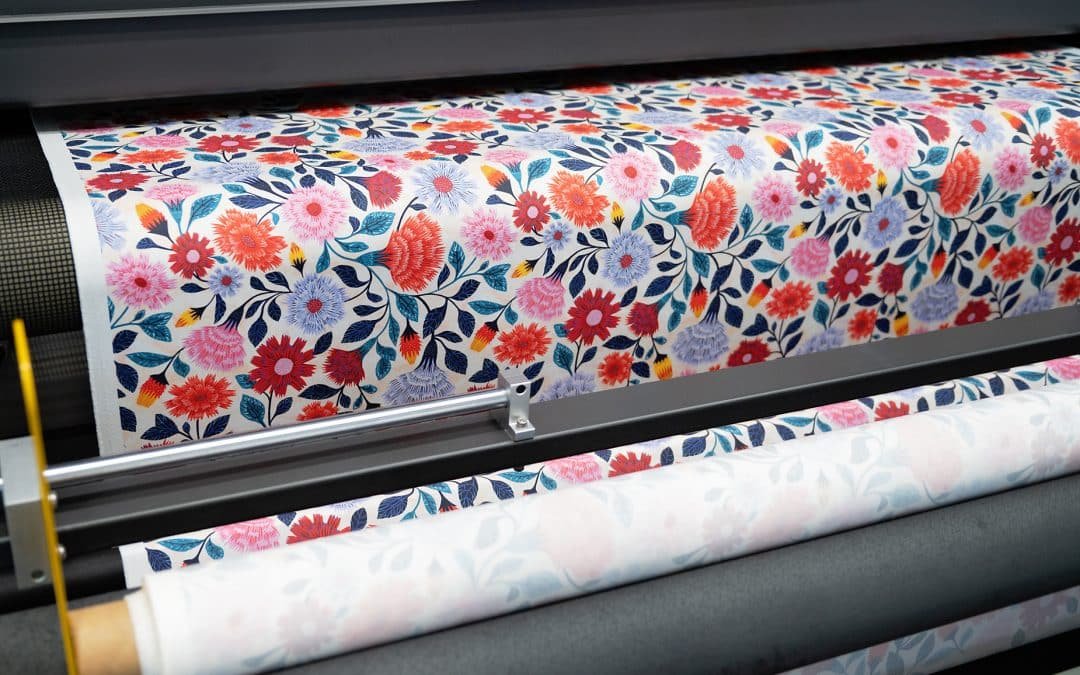
As the fashion industry becomes increasingly global, brands are searching for ways to streamline production, respond to local trends, and minimize environmental impact. One powerful solution is localized printing, which enables companies to produce custom textiles and garments closer to their end markets. This approach offers a range of advantages, from faster turnaround times to reduced shipping costs and improved sustainability.
Understanding the benefits of localized printing for global brands is essential for fashion businesses aiming to stay competitive in a rapidly evolving marketplace. By embracing this strategy, companies can not only enhance operational efficiency but also deliver more relevant products to consumers worldwide.
For those interested in the technical aspects of textile printing, our guide to digital textile printing for home decor vs fashion provides a comprehensive comparison of methods and applications.
Why Leading Fashion Companies Are Adopting Localized Printing
In the past, most fashion brands relied on centralized manufacturing hubs, often located far from their primary markets. While this model offered economies of scale, it also introduced challenges such as long lead times, inflexible inventory, and increased carbon emissions from global shipping. Today, the shift toward regionalized production is transforming how brands operate.
- Speed to Market: Localized printing allows brands to respond quickly to changing trends and consumer demands. Designs can be produced and delivered in days rather than weeks or months.
- Inventory Optimization: By printing on demand, companies can reduce overproduction and avoid excess inventory, which is especially valuable in the fast-moving fashion sector.
- Customization: Brands can offer region-specific designs, colors, and patterns, catering to local tastes and cultural preferences.
Reducing Environmental Impact Through Regional Production
One of the most significant benefits of localized printing for global brands is the positive effect on sustainability. Traditional supply chains often involve shipping raw materials and finished goods across continents, contributing to greenhouse gas emissions and resource waste. By moving production closer to the point of sale, brands can:
- Lower Transportation Emissions: Shorter shipping distances mean less fuel consumption and a smaller carbon footprint.
- Minimize Waste: On-demand printing reduces the risk of unsold stock ending up in landfills.
- Use Eco-Friendly Technologies: Many localized facilities utilize digital textile printing, which consumes less water and energy compared to conventional methods. For a deeper dive into these technologies, see this introduction to digital textile printing.
With growing consumer awareness around sustainability, adopting eco-conscious production methods is becoming a key differentiator for international fashion labels.
Enhancing Flexibility and Market Responsiveness
Fashion trends can shift rapidly, and the ability to react in real time is a major competitive advantage. Localized printing empowers brands to:
- Test New Designs Quickly: Small production runs can be created and evaluated in specific markets before scaling up.
- Adapt to Local Events: Brands can produce limited-edition collections for regional holidays, festivals, or collaborations with local artists.
- Reduce Lead Times: Shorter production cycles mean products reach shelves faster, allowing brands to capitalize on emerging trends.
This agility is especially valuable for brands targeting Gen Z and millennial consumers, who expect fresh, relevant products and rapid fulfillment.
Cost Savings and Operational Efficiency
While the initial setup for regionalized production may require investment, the long-term savings can be substantial. Key areas where brands can reduce costs include:
- Lower Shipping Expenses: Producing closer to the end customer cuts down on international freight charges and customs fees.
- Decreased Inventory Holding Costs: On-demand production minimizes the need for large warehouses and reduces the risk of markdowns on unsold goods.
- Streamlined Supply Chains: Fewer intermediaries and simplified logistics make it easier to manage quality control and ensure timely delivery.
For brands operating on a global scale, these efficiencies can translate into improved profit margins and a more resilient business model.
Supporting Local Economies and Building Brand Loyalty
Localized printing not only benefits the brand but also supports the communities where production takes place. By partnering with regional suppliers and manufacturers, fashion companies can:
- Create Local Jobs: Supporting skilled labor in printing, finishing, and logistics.
- Foster Community Engagement: Collaborating with local artists, designers, and organizations to create unique, culturally relevant products.
- Build Trust: Demonstrating a commitment to ethical sourcing and local investment can strengthen brand reputation and customer loyalty.
Consumers increasingly value transparency and social responsibility, making these factors important for long-term brand success.
Integrating Digital Printing Technologies
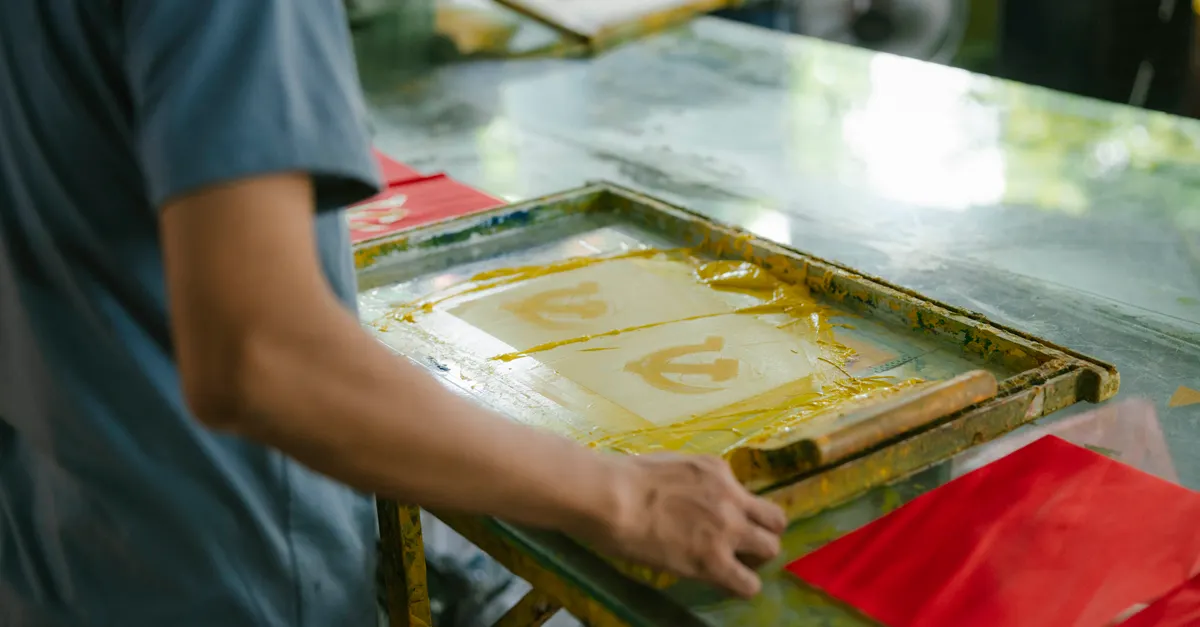
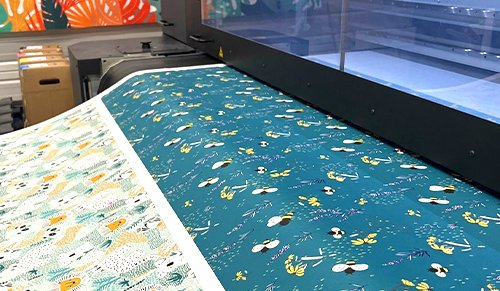
The rise of digital textile printing has made localized production more accessible and versatile than ever. Compared to traditional screen printing, digital methods offer:
- Unlimited Design Possibilities: High-resolution prints, complex patterns, and vibrant colors can be produced without costly setup.
- Shorter Runs: Economical for small batches, enabling brands to test new ideas and reduce waste.
- Faster Turnaround: Designs can move from concept to finished product in a matter of days.
For more information on digital printing workflows and design techniques, explore our article on how to use adobe illustrator for textile repeats.
Challenges and Considerations for Implementation
While the benefits of localized printing for global brands are clear, there are challenges to consider:
- Quality Control: Maintaining consistent standards across multiple locations requires robust processes and training.
- Supply Chain Coordination: Sourcing materials locally may involve working with new suppliers and adapting to regional differences.
- Technology Investment: Setting up digital printing facilities can require significant upfront costs, though these are often offset by long-term savings.
Brands that plan carefully and invest in the right partnerships can overcome these hurdles and fully realize the advantages of regionalized production.
Frequently Asked Questions
How does localized printing help reduce a fashion brand’s carbon footprint?
By producing garments and textiles closer to the end market, brands significantly cut down on transportation emissions. On-demand production also reduces waste, as fewer unsold items end up in landfills. Many localized facilities use digital printing, which consumes less water and energy compared to traditional methods.
Can localized printing support rapid trend changes in the fashion industry?
Yes, regionalized production enables brands to quickly test and launch new designs in response to local trends. Shorter lead times and the ability to produce small batches mean brands can adapt to market shifts much faster than with centralized manufacturing.
What are the main cost advantages of adopting regionalized printing for global brands?
Key savings include reduced shipping and customs expenses, lower inventory holding costs due to on-demand production, and streamlined supply chains. These efficiencies help brands improve profit margins and reduce financial risk.
Conclusion
Adopting localized printing is a strategic move for fashion brands operating on a global scale. From faster response times and reduced environmental impact to cost savings and enhanced customer engagement, the advantages are significant. As technology continues to advance and consumer expectations evolve, regionalized production will play an increasingly important role in the future of fashion manufacturing.