Fashion designers and makers are increasingly looking beyond standard textiles to create standout pieces. Materials like cork, Tyvek, synthetic leathers, and even unconventional substrates such as mesh or rubber are gaining traction for their unique textures and eco-friendly appeal. However, working with these surfaces presents new challenges, especially when it comes to applying prints that are vibrant, durable, and professional. This guide explores how to print on cork and non-traditional materials, covering essential techniques, tips, and considerations for anyone looking to expand their creative toolkit.
Whether you’re a small studio owner, a DIY enthusiast, or a brand seeking to diversify your product line, understanding the nuances of printing on alternative materials can set your work apart. For those interested in building a creative workspace, you might also find value in learning how to set up a small scale fashion printing studio to experiment with these innovative substrates.

Why Choose Alternative Fashion Materials?
Non-traditional substrates offer a range of benefits for modern fashion. Cork, for example, is lightweight, sustainable, and naturally water-resistant. Other materials like Tyvek or synthetic leathers can provide durability, unique tactile qualities, and a distinct look that sets products apart from the crowd. By mastering how to print on cork and non-traditional materials, designers can unlock new creative possibilities and respond to growing consumer demand for originality and sustainability.
Understanding the Challenges of Printing on Unconventional Surfaces
Unlike cotton or polyester, alternative materials often have unique surface properties that affect ink adhesion, color vibrancy, and print longevity. Some common challenges include:
- Porosity: Cork and similar substrates can absorb ink unevenly, leading to blurred or faded prints.
- Flexibility: Materials like rubber or mesh may stretch or deform, complicating the printing process.
- Surface Texture: Uneven or textured surfaces can cause gaps or inconsistencies in the print.
- Heat Sensitivity: Some synthetics may warp or melt under high temperatures used in certain printing methods.
Addressing these challenges requires careful selection of printing techniques, inks, and pre-treatment methods tailored to each material.
Popular Printing Methods for Cork and Specialty Surfaces
Several printing techniques are suitable for non-traditional fashion substrates. The best choice depends on the material, desired effect, and production scale.
Digital Printing on Cork and Unique Materials
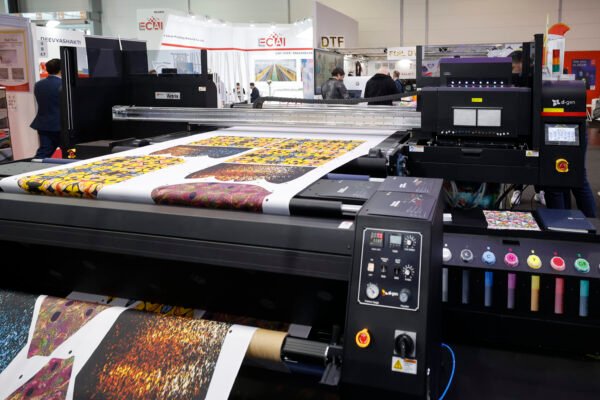
Digital textile printing has advanced rapidly, making it possible to achieve detailed, full-color designs on a wide range of surfaces. For cork and similar substrates, specialized digital printers can apply pigment or UV-curable inks that adhere well and resist fading. Pre-treatments may be necessary to improve ink absorption and prevent bleeding. For a deeper dive into this technology, see this comprehensive overview of digital textile printing.
Screen Printing for Textured and Porous Substrates
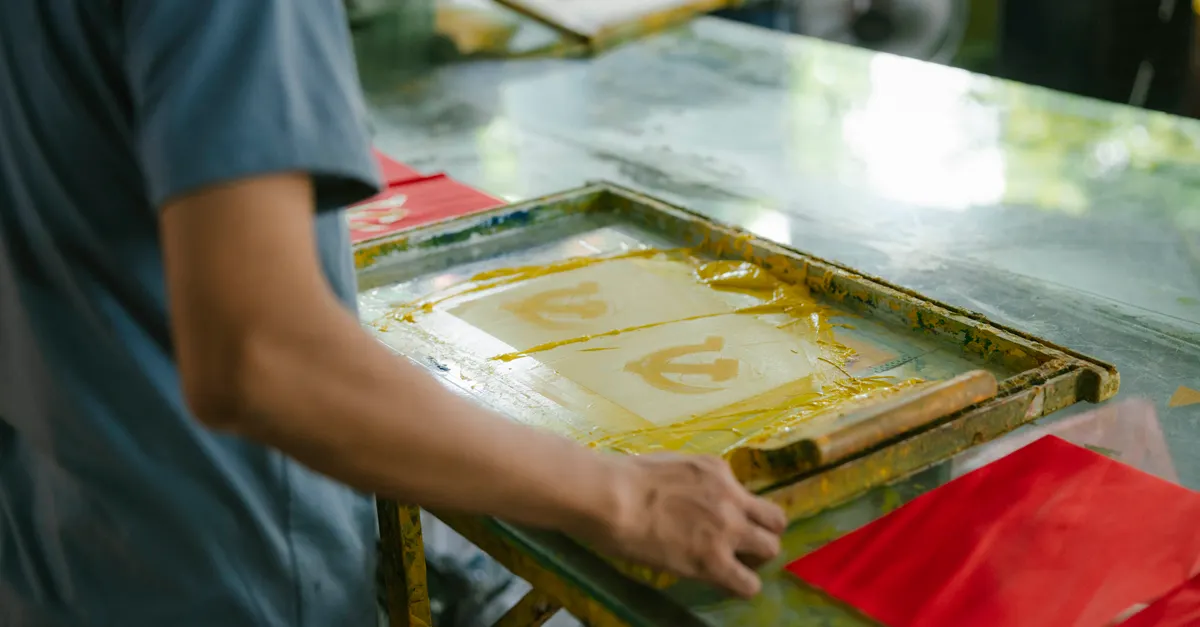
Screen printing remains a popular choice for bold, graphic designs on cork and other textured materials. The process involves pushing ink through a mesh stencil onto the substrate. For best results, use inks formulated for the specific material, and consider using a thicker ink deposit to compensate for surface irregularities. Heat setting may be required, but always check the material’s heat tolerance first.
Heat Transfer and Sublimation Techniques
Heat transfer printing, including sublimation, is suitable for certain synthetics but less effective on cork due to its natural composition. However, for coated or engineered non-traditional materials, these methods can yield vibrant, durable results. Always test a small area first to ensure the substrate can withstand the required temperatures without damage.

Preparing Cork and Alternative Materials for Printing
Proper preparation is crucial for achieving high-quality prints on unconventional substrates. Here’s how to get started:
- Clean the Surface: Remove dust, oils, or residues with a lint-free cloth and a suitable cleaner. This step is especially important for cork, which can attract debris.
- Pre-Treat if Needed: Some materials benefit from a primer or pre-treatment solution to enhance ink adhesion and color vibrancy.
- Test Print: Always perform a small test print to check for issues like bleeding, warping, or poor color payoff.
- Secure the Material: Use masking tape or a vacuum table to hold flexible or lightweight substrates in place during printing.
Choosing the Right Inks and Finishes
Not all inks are created equal, especially when it comes to printing on cork and non-traditional materials. Here are some considerations:
- Pigment Inks: Offer good coverage and durability, suitable for both digital and screen printing.
- UV-Curable Inks: Cure instantly under UV light, making them ideal for non-porous or heat-sensitive substrates.
- Specialty Inks: Metallic, fluorescent, or textured inks can add unique effects, but always test compatibility with your chosen material.
- Protective Coatings: Applying a clear sealant or topcoat can enhance durability, especially for items subject to wear or washing.
Design Tips for Printing on Unconventional Surfaces
When designing for cork, mesh, or synthetic leathers, keep these tips in mind:
- Embrace Texture: Let the natural qualities of the material enhance your design. Simple, bold graphics often work best on textured surfaces.
- Adjust Color Expectations: Colors may appear different on alternative substrates compared to standard fabrics. Use color profiles and test swatches to fine-tune your palette.
- Account for Flexibility: Avoid placing intricate details in areas that will bend or stretch, as this can distort the print.
- Layer Wisely: For multi-layer prints, allow adequate drying time between passes to prevent smudging or color migration.
Care and Maintenance of Printed Non-Traditional Fashion Items
To ensure your creations remain vibrant and durable, follow these care guidelines:
- Gentle Cleaning: Wipe cork and similar materials with a damp cloth. Avoid harsh detergents or scrubbing.
- Protect from Excessive Heat: Store away from direct sunlight and high temperatures, which can degrade both the substrate and the print.
- Test Before Washing: If the item must be washed, test a small area first to check for ink fastness and substrate stability.
Expanding Your Printing Capabilities
Experimenting with new materials can open up exciting opportunities in fashion and accessories. For those interested in exploring more about the differences between printing for apparel and interiors, the guide to digital textile printing for home decor vs fashion offers valuable insights. Additionally, if you’re looking to achieve special effects, you might consider reading about how to achieve metallic effects without foil for alternative finishing techniques.
Frequently Asked Questions
Can I use standard textile inks for printing on cork?
Standard textile inks may not adhere well to cork or provide the desired vibrancy. It’s best to use inks specifically formulated for porous or non-traditional substrates, such as pigment or UV-curable inks, and always test on a small area first.
What’s the best way to prevent prints from fading on alternative materials?
To maximize durability, use inks designed for the specific substrate and apply a protective topcoat if possible. Store items away from direct sunlight and avoid harsh cleaning methods.
Are there eco-friendly options for printing on unconventional fashion materials?
Yes, many manufacturers now offer water-based inks and sustainable substrates like cork, recycled synthetics, and plant-based leathers. Look for certifications or product details that highlight environmental responsibility.