Fashion is evolving at a rapid pace, and the ability to predict and respond to trends efficiently is more crucial than ever. Digital printing has emerged as a transformative tool, enabling designers and brands to quickly translate ideas into tangible products. By leveraging this technology, industry professionals can test, adapt, and launch collections that align with emerging consumer preferences. Understanding how to use digital printing for fashion trend forecasting can provide a significant competitive edge, allowing for faster prototyping, reduced waste, and more accurate alignment with market demand.
In this article, we’ll explore the intersection of digital textile printing and trend prediction, practical strategies for integrating these processes, and the benefits this synergy brings to the fashion industry. For those interested in the broader implications of advanced textile technologies, you may also want to read about what is the future of smart textiles and printing for a deeper understanding of where the industry is heading.
The Role of Digital Printing in Modern Fashion
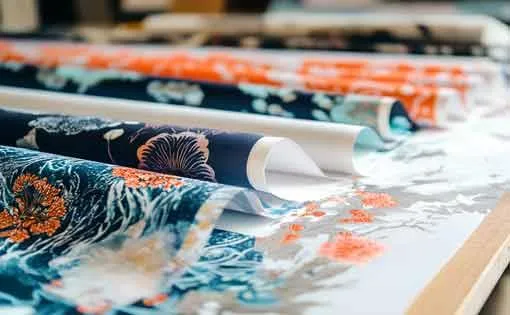
Digital textile printing has revolutionized the way designers approach collection development and trend analysis. Unlike traditional printing methods, which require lengthy setup times and large minimum orders, digital techniques allow for short runs and rapid iteration. This flexibility is invaluable for trend forecasting, where speed and adaptability are essential.
With digital printing, designers can:
- Quickly prototype new patterns and colorways based on trend data
- Produce small batches for market testing without significant investment
- Respond to real-time consumer feedback, adjusting designs as trends shift
- Reduce fabric waste and environmental impact by printing on demand
These capabilities make digital printing a cornerstone of agile fashion production and a powerful ally in trend prediction.
Integrating Digital Textile Printing into Trend Forecasting Workflows
To fully harness the power of digital printing for trend prediction, brands and designers should integrate this technology into their creative and production processes. Here’s how:
-
Trend Analysis and Inspiration Gathering:
Begin by collecting data from fashion shows, social media, retail analytics, and cultural movements. Identify emerging colors, motifs, and fabric types that are gaining traction. Digital printing allows you to quickly translate these insights into physical samples for review and refinement.
-
Rapid Prototyping and Sampling:
Use digital printers to create test swatches and sample garments. This rapid prototyping phase is essential for evaluating how new patterns and color combinations will look and feel on actual textiles. Adjustments can be made instantly, supporting a more dynamic design process.
-
Market Testing and Feedback:
Release limited-edition runs or capsule collections to gauge consumer response. Digital printing’s low minimums make it feasible to test multiple variations simultaneously. Collect feedback through sales data, online engagement, and direct customer input to refine your trend predictions.
-
Scaling Up Production:
Once a trend is validated, digital printing can be scaled to meet demand. The technology’s versatility ensures consistent quality across larger runs, and adjustments can still be made if trends evolve mid-season.

Benefits of Using Digital Printing for Trend Prediction
Adopting digital textile printing as part of your trend forecasting strategy offers several advantages:
- Speed to Market: Designs can move from concept to finished product in days rather than weeks or months.
- Customization: Easily personalize prints for different markets or customer segments, enhancing relevance and appeal.
- Cost Efficiency: Print only what you need, reducing inventory risk and storage costs.
- Sustainability: On-demand production minimizes waste and supports eco-friendly practices.
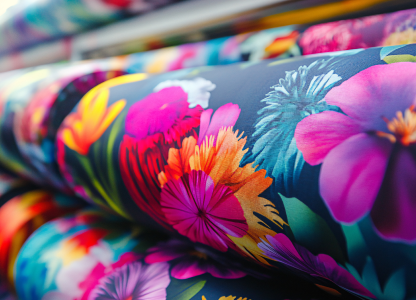
- Creative Freedom: Experiment with intricate patterns, gradients, and color effects that are difficult or impossible with traditional methods.
These benefits make digital printing an essential tool for brands aiming to stay ahead in a fast-moving industry.
Real-World Applications in Fashion Forecasting
Many leading fashion houses and independent designers are already leveraging digital printing to anticipate and respond to trends. For example, brands use digital sampling to test bold prints or unconventional color palettes before committing to full-scale production. This approach reduces risk and enables a more experimental, data-driven design process.
In addition, digital printing supports the rise of localized collections, where brands tailor designs to specific regions or demographics. This strategy not only aligns with trend forecasting but also enhances customer engagement. To learn more about this approach, see the benefits of localized printing for global brands.
Best Practices for Leveraging Digital Printing in Trend Analysis
To maximize the impact of digital printing in your trend forecasting efforts, consider the following best practices:
- Collaborate Across Teams: Encourage communication between design, marketing, and production teams to ensure trend insights are translated effectively into print-ready designs.
- Utilize Data Analytics: Combine digital printing with data-driven tools to track which prints and patterns resonate most with your audience.
- Experiment with Materials: Digital printing is not limited to traditional fabrics. Explore printing on cork, synthetics, or other unconventional materials. For more on this, see how to print on cork and non-traditional materials.
- Stay Informed on Technology: The field of digital textile printing is evolving rapidly. Keep up with new printer capabilities, inks, and substrates to expand your creative possibilities.
- Monitor Sustainability Metrics: Track the environmental impact of your printing processes and seek out eco-friendly inks and materials where possible.
Comparing Digital Printing with Traditional Methods for Trend Forecasting
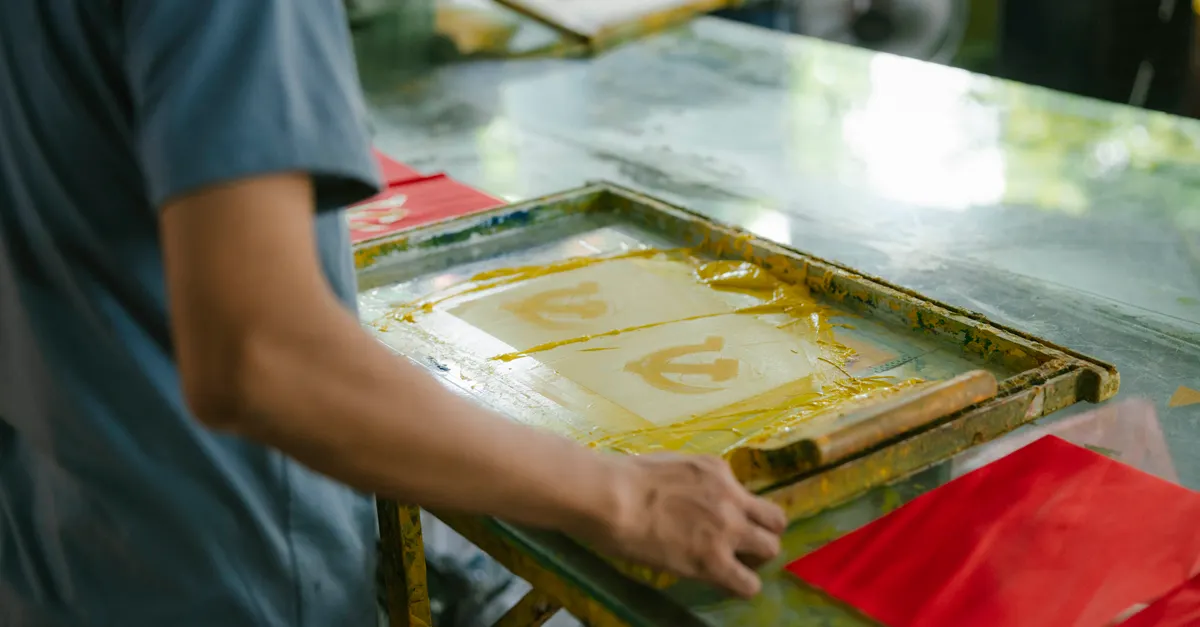
Traditional textile printing methods, such as screen printing or rotary printing, have long been industry standards. However, they often require significant lead times, large minimum orders, and extensive setup. These limitations make them less suited to the fast-paced demands of trend forecasting.
In contrast, digital printing offers:
- Shorter turnaround times
- Greater design flexibility
- Lower upfront costs for sampling and small runs
- Ability to print complex, multi-color designs without additional setup
This makes digital technology the preferred choice for brands focused on agility and innovation.
Resources and Further Reading
For a deeper dive into the technical aspects and business benefits of digital textile printing, consider exploring this comprehensive guide to digital textile printing. You can also compare applications in home decor and fashion by reading the guide to digital textile printing for home decor vs fashion.
If you’re interested in setting up your own small-scale studio, practical advice can be found in how to set up a small scale fashion printing studio.
FAQ
How does digital printing help predict fashion trends?
Digital textile printing enables designers to quickly create and test new patterns, colors, and materials based on emerging trends. By producing small batches and collecting real-time feedback, brands can validate which styles are likely to succeed before committing to large-scale production.
Is digital printing more sustainable than traditional methods?
Yes, digital printing typically produces less waste, uses fewer resources, and allows for on-demand production. This reduces overproduction and inventory waste, supporting more sustainable fashion practices.
Can digital printing be used on all types of fabrics?
Most natural and synthetic fabrics can be digitally printed, though results may vary depending on the material and ink type. Advances in technology have expanded the range of printable substrates, including unconventional materials like cork and recycled fibers.
What are the main challenges of using digital printing for trend forecasting?
Some challenges include the initial investment in equipment, the need for skilled operators, and ensuring color consistency across different fabrics. However, the benefits in speed, flexibility, and sustainability often outweigh these hurdles.