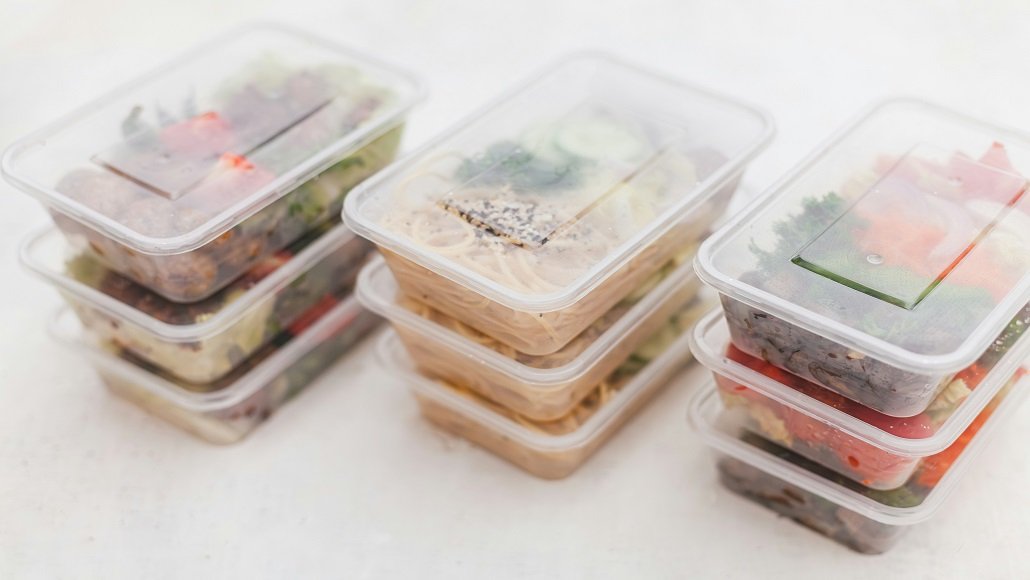
Supermarkets play a vital role in ensuring that the food products they offer are not only appealing but also safe for consumption. Food-safe packaging for supermarkets is a cornerstone of this responsibility, impacting everything from shelf life and food quality to regulatory compliance and customer trust. As consumer awareness grows and regulations become stricter, retailers must stay updated on the latest standards and materials to maintain both safety and sustainability.
This guide explores essential practices for selecting and managing packaging that keeps food fresh, minimizes contamination risks, and aligns with evolving environmental expectations. Whether you’re a supermarket manager, packaging supplier, or simply interested in how food safety is maintained on store shelves, understanding these principles is crucial.
For those interested in how packaging innovations are influencing other industries, you may want to explore what is the future of smart textiles and printing for further insights into material science and printing technologies.
Understanding the Importance of Food-Safe Packaging in Retail
The primary function of supermarket packaging is to protect food from contamination, spoilage, and physical damage. However, the requirements go far beyond basic protection. Food-safe packaging for supermarkets must comply with food safety regulations, prevent chemical migration, and support traceability. Packaging failures can lead to recalls, legal consequences, and loss of consumer confidence.
- Contamination prevention: Packaging acts as a barrier against bacteria, allergens, and external contaminants.
- Shelf life extension: Proper materials and sealing methods help preserve freshness and reduce food waste.
- Regulatory compliance: Retailers must adhere to local and international food safety laws, such as FDA or EFSA guidelines.
- Brand reputation: Safe, high-quality packaging reassures customers and enhances brand trust.
Key Materials Used in Supermarket Food Packaging
Selecting the right materials is fundamental to ensuring food safety. Each material offers unique benefits and challenges, and the choice often depends on the type of food, shelf life requirements, and sustainability goals.
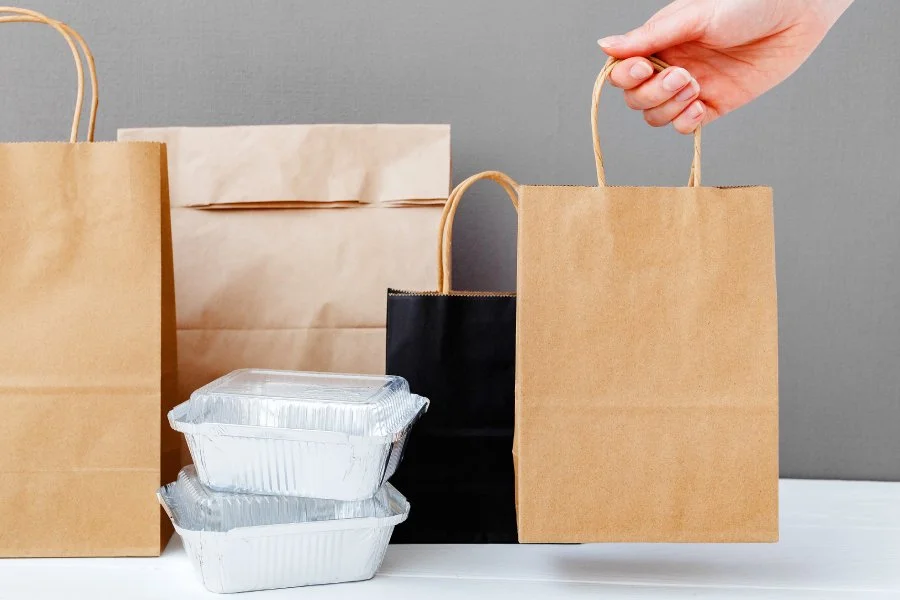
Plastic Packaging
Plastics such as PET, HDPE, and LDPE are widely used due to their versatility, durability, and cost-effectiveness. They offer excellent moisture and oxygen barriers, making them suitable for dairy, meats, and ready-to-eat meals. However, supermarkets must ensure that only food-grade plastics are used, as non-compliant materials can leach harmful chemicals into food.
Paper and Cardboard
Paper-based packaging is popular for bakery items, dry goods, and produce. It is biodegradable and often recyclable, aligning with sustainability goals. To be food-safe, these materials must be treated with food-grade coatings or liners to prevent grease and moisture penetration.
Metal and Glass
Cans and glass jars are ideal for long-term storage of products like canned vegetables, sauces, and beverages. These materials provide an effective barrier against light, air, and microorganisms. Proper sealing and lining are essential to prevent corrosion and maintain food integrity.
Biodegradable and Compostable Options
With increasing demand for eco-friendly solutions, supermarkets are adopting biodegradable plastics, PLA, and compostable trays. While these materials reduce environmental impact, they must still meet stringent food safety standards to ensure they do not introduce contaminants.
Best Practices for Implementing Food-Safe Packaging in Supermarkets
Adopting effective packaging strategies involves more than choosing the right materials. Supermarkets should follow a comprehensive approach that includes supplier vetting, staff training, and continuous monitoring.
- Source from certified suppliers: Work with vendors who provide documentation proving compliance with food safety standards. Certifications such as ISO 22000 or BRCGS are strong indicators of reliability.
- Regular audits and inspections: Conduct routine checks on packaging materials and processes to identify and mitigate risks early.
- Proper storage and handling: Store packaging materials in clean, dry environments to prevent contamination before use.
- Employee training: Educate staff on safe handling practices, recognizing compromised packaging, and proper sealing techniques.
- Labeling and traceability: Use clear, accurate labeling to inform consumers and support recall management if necessary.
Regulatory Considerations for Food Packaging in Grocery Stores
Compliance with food safety regulations is non-negotiable for supermarkets. Regulatory bodies set guidelines on permissible materials, labeling, and migration limits for chemicals. For a comprehensive overview, the article food-grade packaging and food safety standards provides detailed insights into current requirements and best practices.
Key regulations to be aware of include:
- FDA (U.S.): Sets standards for materials, additives, and labeling for food contact substances.
- EFSA (EU): Regulates migration limits and safety assessments for packaging materials.
- Local health authorities: May impose additional requirements for specific regions or product types.
Supermarkets must keep documentation and certificates on file and be prepared for regulatory inspections at any time.
Sustainability and Innovation in Food Packaging
Modern consumers increasingly expect supermarkets to balance food safety with environmental responsibility. Innovations in packaging technology are making it possible to reduce waste, use renewable materials, and improve recyclability without compromising food integrity.

Some of the latest trends include:
- Recyclable and compostable packaging: Supermarkets are switching to materials that can be easily recycled or composted, reducing landfill waste.
- Edible packaging: Innovations in edible films and coatings offer new ways to reduce packaging waste while maintaining food safety.
- Smart packaging: Technologies such as freshness indicators and QR codes help monitor food quality and improve traceability.
Balancing safety, convenience, and environmental impact is an ongoing challenge, but supermarkets that invest in sustainable packaging solutions can enhance their reputation and meet consumer expectations.
Common Challenges and How to Overcome Them
Implementing and maintaining safe packaging practices in supermarkets comes with several challenges:
- Cost pressures: High-quality, certified packaging materials can be more expensive. Bulk purchasing and long-term supplier relationships can help manage costs.
- Supply chain disruptions: Delays or shortages can force supermarkets to seek alternative suppliers. Having a vetted list of backup vendors is essential.
- Changing regulations: Laws and standards evolve rapidly. Assigning a dedicated compliance officer or team can help supermarkets stay up to date.
- Consumer education: Customers may not always understand the importance of food-safe packaging. Clear labeling and in-store information can bridge this gap.
FAQ
What materials are considered food-safe for supermarket packaging?
Food-safe materials include certified plastics (like PET, HDPE), coated paper and cardboard, glass, metal cans with food-grade linings, and certain biodegradable options. All must comply with relevant food safety regulations and be free from harmful chemicals.
How can supermarkets ensure their packaging remains compliant with regulations?
Supermarkets should source packaging from certified suppliers, maintain up-to-date documentation, conduct regular audits, and stay informed about changes in food safety laws. Training staff and working closely with regulatory bodies also help maintain compliance.
Are sustainable packaging options as safe as traditional materials?
Yes, as long as sustainable packaging is certified for food contact and meets all regulatory standards. Many biodegradable and compostable materials are now engineered to offer the same level of protection as conventional options.
Adopting robust food-safe packaging for supermarkets is essential for protecting consumers, meeting legal requirements, and building a trustworthy brand. By staying informed about materials, regulations, and innovations, retailers can ensure the products on their shelves are both safe and appealing.