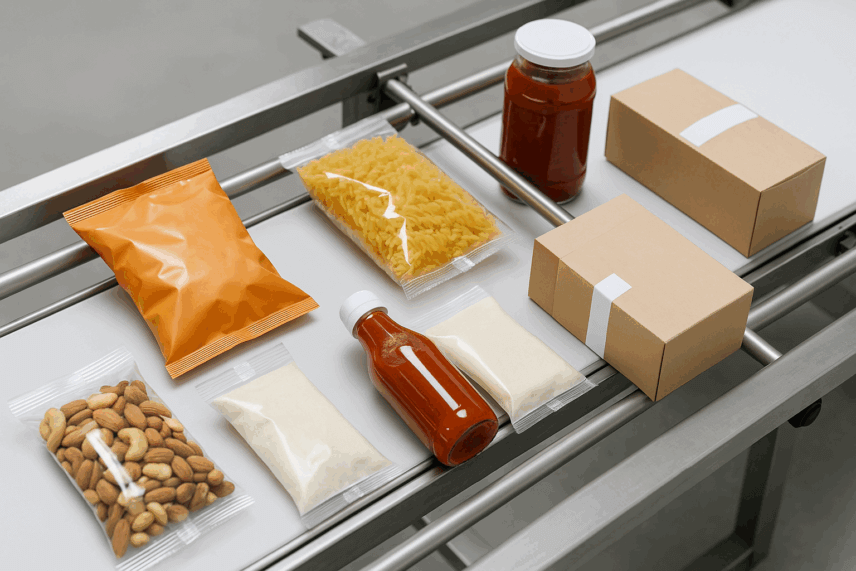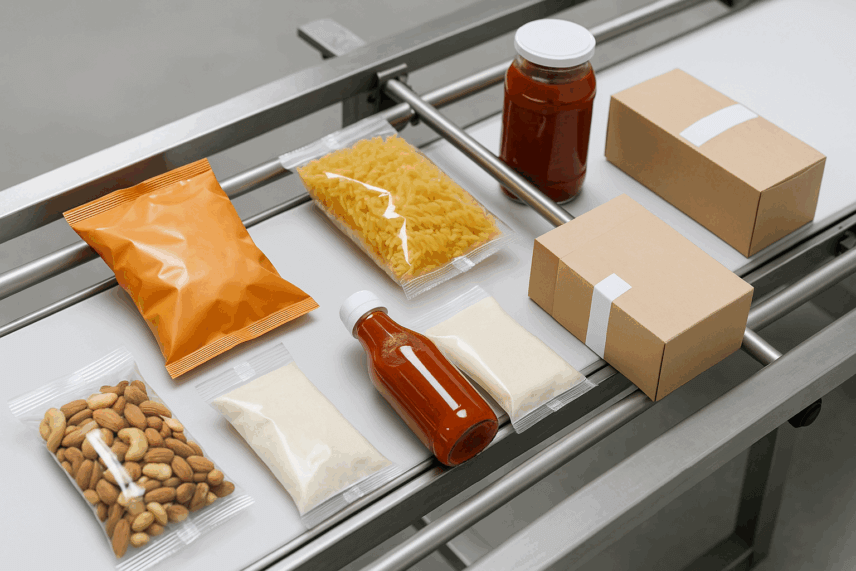
Ensuring that sauces and condiments are packaged safely is essential for both manufacturers and consumers. The right packaging protects the product from contamination, preserves flavor and freshness, and meets regulatory standards for food safety. As the demand for ready-to-use sauces grows, so does the need for reliable, food-safe packaging for sauces that can withstand various storage and transportation conditions.
Choosing the appropriate materials and formats is not just about compliance—it’s about delivering quality and building trust with customers. In this article, we’ll explore the key considerations for selecting safe packaging for sauces and condiments, the materials commonly used, and best practices for maintaining product integrity from production to table.
For those interested in related manufacturing processes, you might also want to learn about what is soft hand feel in garment printing, which explores another aspect of product quality and consumer experience.
Understanding the Importance of Safe Packaging for Sauces
The primary goal of food-safe packaging for sauces is to prevent contamination and spoilage. Sauces and condiments, due to their moisture content and ingredients, are susceptible to microbial growth and chemical reactions if not properly sealed. Packaging must act as a barrier against oxygen, light, and external contaminants while also being compatible with the product’s acidity and viscosity.
Regulatory agencies such as the FDA and EFSA have strict guidelines for materials that come into contact with food. Non-compliance can lead to product recalls, legal issues, and damage to brand reputation. Therefore, manufacturers must select packaging that not only meets legal requirements but also aligns with consumer expectations for safety and sustainability.
Key Materials Used in Packaging Sauces and Condiments
Selecting the right material is crucial for maintaining the quality and safety of sauces. Here are some of the most common options:
- Glass: Often used for premium sauces and condiments, glass is non-reactive, impermeable, and recyclable. It preserves flavor and aroma but is heavier and more fragile than other materials.
- Plastic: PET, HDPE, and PP plastics are widely used for their lightweight nature and versatility. These plastics must be food-grade and free from harmful chemicals like BPA. They are suitable for squeezable bottles, pouches, and jars.
- Metal: Tinplate and aluminum cans offer excellent protection from light and oxygen. They are commonly used for canned sauces and single-serve portions.
- Laminated Films: Multi-layer films combine the benefits of several materials, providing flexibility, strength, and barrier properties. They are ideal for sachets and stand-up pouches.

Choosing the Right Food-Safe Packaging for Sauces
When selecting packaging for sauces and condiments, several factors must be considered to ensure both safety and functionality:
- Barrier Properties: The packaging should protect against moisture, oxygen, and light to extend shelf life and prevent spoilage.
- Compatibility: Materials must not react with acidic or spicy ingredients, which could compromise flavor or safety.
- Seal Integrity: Proper sealing prevents leaks and contamination during storage and transport.
- Convenience: Easy-to-use formats such as squeeze bottles, pouches, or single-serve packets enhance consumer experience.
- Sustainability: With growing environmental concerns, recyclable or biodegradable options are increasingly popular.
For a comprehensive overview of material requirements, see this guide to food-grade packaging materials requirements, which covers regulatory standards and best practices for safe packaging.
Types of Packaging Formats for Sauces and Condiments
The format of the packaging plays a significant role in product safety and consumer convenience. Here are some popular options:
- Bottles: Available in glass or plastic, bottles are ideal for liquid sauces and dressings. They can be fitted with tamper-evident caps for added safety.
- Jars: Used for thicker products like mayonnaise or salsa, jars offer a wide opening for easy scooping and pouring.
- Pouches: Flexible pouches with spouts or tear notches are lightweight and reduce packaging waste. They are suitable for both retail and foodservice applications.
- Sachets: Single-serve sachets are perfect for portion control and on-the-go consumption, commonly used in restaurants and takeout services.
- Cans: Metal cans are used for shelf-stable sauces, providing long-term protection against spoilage.

Best Practices for Ensuring Food Safety in Sauce Packaging
Maintaining the safety and quality of sauces and condiments throughout their shelf life requires careful attention to packaging processes:
- Use of Certified Materials: Always choose packaging materials that are certified as food-grade by relevant authorities.
- Sanitation: Ensure that packaging lines and storage areas are clean and regularly inspected for contamination risks.
- Quality Control: Implement rigorous testing for seal integrity, migration of substances, and shelf-life performance.
- Labeling: Clearly indicate storage instructions, expiration dates, and allergen information to help consumers handle the product safely.
- Traceability: Use batch codes and traceability systems to quickly identify and address any safety issues if they arise.
Trends and Innovations in Sauce Packaging
The packaging industry is constantly evolving to meet new challenges and consumer demands. Recent trends include:
- Eco-Friendly Materials: Biodegradable plastics, compostable films, and recyclable containers are gaining popularity as brands seek to reduce their environmental footprint.
- Smart Packaging: Technologies such as QR codes and freshness indicators help consumers verify product authenticity and monitor shelf life.
- Convenience Features: Resealable closures, easy-pour spouts, and ergonomic designs enhance usability and reduce waste.
- Personalization: Custom-printed packaging allows brands to stand out on shelves and connect with consumers through unique designs and messaging.
As the market for sauces and condiments continues to expand, manufacturers must stay informed about new materials and technologies that can improve safety, sustainability, and consumer satisfaction.
Frequently Asked Questions
What materials are considered safe for packaging sauces and condiments?
Materials such as food-grade glass, PET, HDPE, PP plastics, tinplate, aluminum, and laminated films are commonly used for packaging sauces. These materials are tested for chemical safety and barrier properties to ensure they do not react with the contents or allow contamination.
How can I tell if a sauce package is food-safe?
Look for certifications or symbols indicating food-grade status, such as FDA approval or the glass and fork symbol. Tamper-evident seals, clear labeling, and reputable brands are also good indicators of safe packaging.
Are there sustainable options for packaging sauces?
Yes, many manufacturers now offer recyclable, biodegradable, or compostable packaging options for sauces and condiments. These alternatives aim to reduce environmental impact while maintaining product safety and quality.