Understanding what is the lightfastness of digital fabric prints is essential for anyone working with printed textiles, whether in fashion, home decor, or commercial applications. Lightfastness refers to a fabric print’s resistance to fading or color change when exposed to light, especially sunlight. This property directly impacts the longevity and visual appeal of printed fabrics, making it a crucial consideration for designers, manufacturers, and consumers alike.
As digital textile printing continues to grow in popularity, questions about durability and color retention have become more common. This article explores the science behind fading, the factors that affect lightfastness, and practical steps to ensure your prints remain vibrant over time. If you’re interested in the broader context of digital textile printing, you might also find our guide to digital textile printing for home decor vs fashion helpful for understanding different use cases and requirements.
Defining Lightfastness in Digital Textile Printing
Lightfastness is a measure of how well printed colors withstand exposure to light without noticeable fading or alteration. In the context of digital textile printing, it specifically refers to the stability of dyes or pigments used in the printing process when subjected to ultraviolet (UV) rays and visible light.
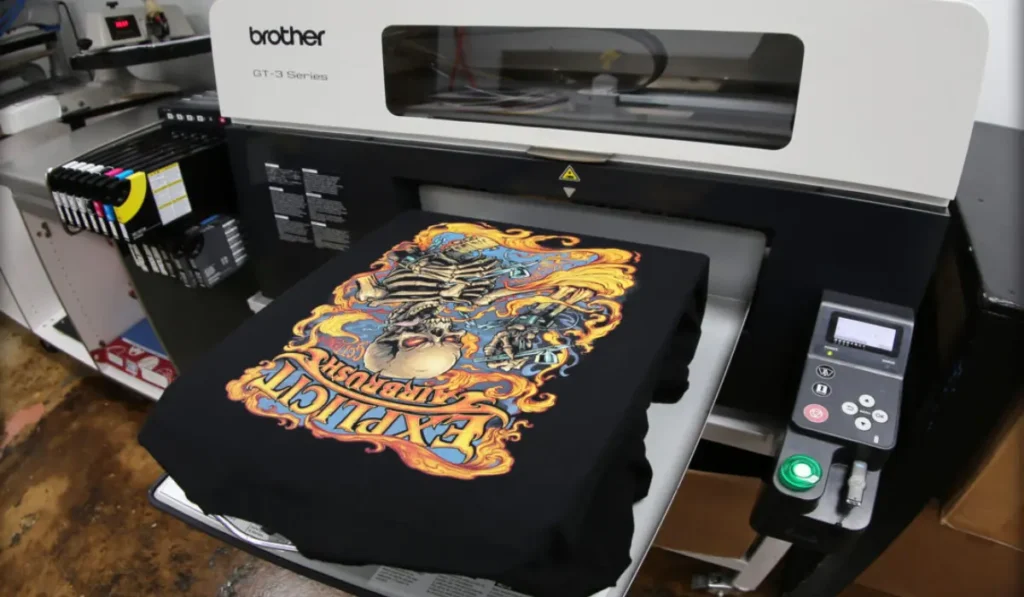
Unlike traditional screen printing, digital methods use advanced inkjet technology to apply color directly onto fabric. The type of ink, the substrate, and the post-printing treatments all play a role in determining how resistant the print is to fading. For a comprehensive overview of digital textile printing technology, see this digital textile printing definition from industry experts.
Why Fading Occurs in Digitally Printed Fabrics
Fading is primarily caused by the breakdown of chemical bonds in dyes or pigments when exposed to UV light. This process, known as photodegradation, leads to a gradual loss of color intensity. The rate and extent of fading depend on several factors:
- Ink Chemistry: Reactive, pigment, acid, and disperse inks each have different levels of lightfastness. Pigment inks generally offer higher resistance to fading than dye-based inks.
- Fabric Type: Natural fibers like cotton and silk may react differently to light compared to synthetics such as polyester or nylon.
- Post-Processing: Treatments like steaming, washing, or UV-blocking finishes can enhance the durability of the print.
- Environmental Exposure: Fabrics exposed to direct sunlight, especially outdoors, are at greater risk of fading than those used indoors or in shaded areas.
Understanding these variables helps in selecting the right materials and processes for projects where color retention is critical.
How Lightfastness is Measured
To objectively assess the resistance of printed fabrics to fading, standardized testing methods are used. The most common is the Blue Wool Scale, which rates lightfastness from 1 (very poor) to 8 (excellent). Another widely used method is the ISO 105-B02 test, where fabric samples are exposed to artificial light for a set period and then evaluated for color change.
Results from these tests help manufacturers and designers compare different inks and substrates, ensuring that the final product meets the desired performance standards. For example, prints intended for outdoor use or high-traffic environments typically require a higher lightfastness rating than those used for decorative indoor purposes.
Factors Affecting the Lightfastness of Digital Prints
Several elements influence how well a digital print resists fading:
- Ink Type: Pigment inks are generally more stable under light exposure than dye-based inks, making them preferable for applications requiring long-term color stability.
- Substrate Preparation: Pre-treated fabrics can improve ink adhesion and enhance resistance to fading.
- Fixation Process: Proper curing or heat-setting after printing helps lock in color and improve durability.
- Protective Coatings: Applying UV-protective finishes can significantly extend the lifespan of printed textiles, especially for outdoor or sunlit environments.
By optimizing these factors, manufacturers can produce fabrics that maintain their appearance over time, even with frequent exposure to light.
Improving Color Longevity in Digital Textile Printing
To maximize the lifespan of digitally printed fabrics, consider the following best practices:
- Choose High-Quality Inks: Select inks with proven lightfastness ratings suitable for your intended application.
- Use Appropriate Fabrics: Match the ink system to the fabric type for optimal results.
- Apply Post-Treatments: Use steaming, washing, or UV-blocking coatings to enhance durability.
- Limit Sun Exposure: For items like curtains, banners, or outdoor textiles, minimize direct sunlight when possible.
- Follow Care Instructions: Proper washing and maintenance can help preserve color vibrancy over time.
These steps are especially important for products intended for commercial or high-visibility settings, where fading can impact brand perception and customer satisfaction.
Comparing Lightfastness: Digital vs. Traditional Printing
One common question is whether digitally printed fabrics are more or less resistant to fading than those produced by traditional methods. The answer depends on the specific inks, fabrics, and processes used. In many cases, modern pigment-based digital prints can match or even exceed the lightfastness of conventional screen-printed textiles, especially when combined with advanced finishing techniques.
However, some dye-based digital prints may be more susceptible to fading if not properly fixed or protected. It’s essential to consult with your print provider and request lightfastness data relevant to your project.
Applications Where Lightfastness Matters Most
While all printed fabrics benefit from good color retention, certain applications demand higher standards:
- Outdoor Banners and Flags: Constant exposure to sunlight requires the highest possible lightfastness.
- Home Furnishings: Curtains, upholstery, and cushions near windows are prone to fading.
- Fashion Apparel: Garments worn outdoors or frequently washed need durable prints.
- Commercial Interiors: Hotel, restaurant, and retail textiles must maintain appearance over time.
For those looking to start their own print projects, learning how to set up a small scale fashion printing studio can provide valuable insight into selecting the right equipment and materials for optimal results.
Frequently Asked Questions
How can I test the lightfastness of my printed fabrics at home?
While professional testing uses specialized equipment, you can perform a simple test by placing a printed fabric sample in direct sunlight for several weeks and comparing it to an unexposed sample. Noticeable fading indicates lower resistance to light. For more accurate results, consult a textile testing laboratory.
Are pigment inks always better for lightfastness than dye-based inks?
In general, pigment inks offer superior resistance to fading compared to most dye-based inks, especially under prolonged light exposure. However, advancements in dye chemistry have improved the performance of some dye-based systems. Always check the manufacturer’s specifications for lightfastness ratings.
Can protective coatings prevent all fading in digital fabric prints?
Protective coatings, such as UV-blocking finishes, can significantly reduce fading but may not eliminate it entirely. The effectiveness depends on the type of coating, the fabric, and the intensity of light exposure. Combining high-quality inks, proper fixation, and protective treatments offers the best defense against color loss.
Conclusion
Lightfastness is a key factor in the durability and visual appeal of digitally printed textiles. By understanding the variables that influence fading and taking proactive steps in material selection, printing, and care, you can ensure your fabrics maintain their color and vibrancy for as long as possible. Whether you’re printing for fashion, interiors, or commercial use, prioritizing color retention will help your creations stand the test of time.