The demand for cardboard food-safe packaging has grown rapidly as consumers and businesses alike prioritize health, sustainability, and regulatory compliance. Whether you’re a food producer, restaurant owner, or simply curious about how your takeaway meals stay fresh and uncontaminated, understanding the fundamentals of food-safe cardboard containers is essential. This article breaks down what makes cardboard suitable for direct food contact, how safety is ensured, and why this packaging is a preferred choice for many in the food industry.
Before diving into the technical details, it’s helpful to recognize that packaging not only protects food from external contaminants but also plays a role in branding and sustainability. For those interested in other aspects of packaging and printing, our guide on what is soft hand feel in garment printing offers insights into tactile qualities in print finishes.
What Makes Cardboard Suitable for Food Packaging?
Not all cardboard is created equal when it comes to food contact. Food-safe cardboard packaging is specifically engineered to prevent contamination and preserve the quality of the food inside. The main factors that contribute to its suitability include:
- Material purity: Only virgin fibers or recycled fibers that meet strict safety standards are used.
- Barrier coatings: Food-grade coatings or liners are applied to prevent grease, moisture, or flavors from migrating between the food and the cardboard.
- Compliance with regulations: Packaging must meet food safety standards set by regulatory bodies such as the FDA (U.S.), EFSA (Europe), or other local authorities.
The goal is to ensure that the packaging does not leach harmful chemicals or alter the taste and aroma of the food. Manufacturers often conduct rigorous testing to confirm that their products are safe for direct contact with edibles.
Types of Cardboard Used in Food-Safe Applications
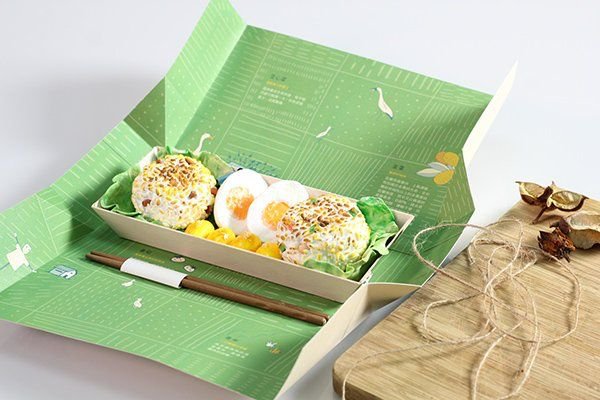
Several types of cardboard are commonly used for food packaging, each with its own advantages:
- Solid bleached sulfate (SBS): This is a high-quality, white, and smooth cardboard made from virgin fibers. It’s often used for bakery boxes, frozen food packaging, and other applications where appearance and hygiene are critical.
- Coated unbleached kraft (CUK): Known for its strength and natural brown color, CUK is popular for beverage carriers and heavy-duty food containers.
- Corrugated cardboard: Used for pizza boxes, takeout containers, and shipping cartons, corrugated board provides insulation and protection during transport.
The choice of material depends on the type of food, required shelf life, and branding considerations. For example, bakery items may require a grease-resistant liner, while frozen foods need moisture barriers to prevent sogginess.
Safety Standards and Certifications for Cardboard Food Packaging
Ensuring that cardboard packaging is safe for food contact involves strict adherence to international and local standards. Some of the most recognized certifications and guidelines include:
- FDA compliance: In the United States, the Food and Drug Administration regulates materials that come into direct contact with food. Packaging must not contain substances that could migrate into food at unsafe levels.
- European Union regulations: The EU has its own set of directives and regulations governing food contact materials, including specific migration limits for chemicals.
- Third-party certifications: Organizations like the Forest Stewardship Council (FSC) and Sustainable Forestry Initiative (SFI) certify that the raw materials are responsibly sourced and processed.
Manufacturers often display these certifications on their packaging to assure customers of their commitment to safety and sustainability.
Benefits of Using Cardboard Food-Safe Packaging
The popularity of food-safe cardboard packaging is driven by a range of practical and environmental benefits:
- Biodegradability: Cardboard is naturally biodegradable and compostable, making it an eco-friendly alternative to plastics and foams.
- Customizability: It can be easily printed, cut, and shaped to suit various branding and functional needs.
- Cost-effectiveness: Compared to many other packaging materials, cardboard is affordable and widely available.
- Protection: Corrugated and coated boards offer excellent protection against physical damage, moisture, and contamination.
- Consumer perception: Many consumers associate cardboard packaging with sustainability and quality, which can enhance brand reputation.

How Manufacturers Ensure Food Safety in Cardboard Packaging
The process of making cardboard safe for food involves several steps:
- Material selection: Only approved raw materials and additives are used in the production process.
- Application of food-grade coatings: These coatings act as barriers to moisture, grease, and contaminants.
- Quality control and testing: Manufacturers regularly test their products for migration of chemicals, odor transfer, and microbial contamination.
- Traceability: Batch numbers and documentation ensure that each package can be traced back to its source in case of any issues.
For a deeper dive into the principles and best practices of food-safe packaging, the article explaining food-safe packaging basics provides further insights.
Trends and Innovations in Cardboard Packaging for Food
The industry is continuously evolving to address new challenges and consumer expectations. Some current trends include:
- Plant-based coatings: Replacing synthetic liners with biodegradable, plant-derived alternatives.
- Enhanced recyclability: Designing packaging that can be easily separated and recycled without contamination.
- Smart packaging: Incorporating QR codes or sensors to provide consumers with information about food safety, freshness, or sourcing.
- Minimalist design: Reducing ink usage and unnecessary embellishments to improve compostability and reduce environmental impact.
These innovations reflect a broader movement toward sustainability and transparency in the food industry.
Frequently Asked Questions
Is all cardboard packaging safe for direct food contact?
No, only cardboard that is specifically labeled and certified as food-safe should be used for direct contact with food. Regular cardboard may contain inks, adhesives, or recycled fibers that are not suitable for food applications.
What should I look for when choosing food-safe cardboard containers?
Look for packaging that mentions compliance with FDA, EU, or other relevant food safety standards. Certifications such as FSC or SFI can also indicate responsible sourcing. If in doubt, ask your supplier for documentation on food safety compliance.
Can food-safe cardboard packaging be recycled or composted?
Most food-grade cardboard is recyclable and compostable, especially if it is free from plastic coatings or heavy inks. However, check local recycling guidelines, as some coatings or food residue may affect recyclability.