The textile industry is undergoing a transformation driven by rapid advancements in both smart textiles and digital printing technologies. As consumer expectations shift toward more functional, sustainable, and personalized products, manufacturers and designers are exploring new ways to integrate technology into fabrics and revolutionize the way textiles are produced and used. Understanding what is the future of smart textiles and printing can help businesses, creators, and consumers prepare for the next wave of innovation in fashion, interiors, healthcare, and beyond.
From wearable electronics to on-demand custom prints, the intersection of intelligent materials and advanced printing is opening up possibilities that were unimaginable just a decade ago. This article explores the key trends, challenges, and opportunities shaping the next generation of textiles and printing methods.
For those interested in practical applications, learning how to set up a small scale fashion printing studio can be a valuable step toward embracing these new technologies at home or in a small business setting.
Smart Textiles: Innovations and Applications
Smart textiles refer to fabrics that have been engineered to interact with their environment or users. This can include sensing, heating, lighting, or even communicating data. The integration of electronics, conductive fibers, and responsive materials is making it possible for textiles to do much more than simply cover or decorate.
- Wearable Health Monitoring: Fabrics embedded with sensors can track heart rate, temperature, and movement, transmitting data to smartphones or medical professionals for real-time health management.
- Adaptive Clothing: Garments that adjust insulation or breathability in response to environmental changes, improving comfort and performance for athletes and outdoor enthusiasts.
- Interactive Fashion: LED-embedded dresses, color-changing shirts, and touch-responsive accessories are turning clothing into interactive experiences.
- Safety and Protection: Smart uniforms for firefighters or industrial workers can detect hazardous gases, monitor fatigue, or provide location tracking in emergencies.
As research progresses, the cost and complexity of smart fabrics are expected to decrease, making these innovations accessible to a wider market.
Advanced Printing: Digital, Sustainable, and On-Demand
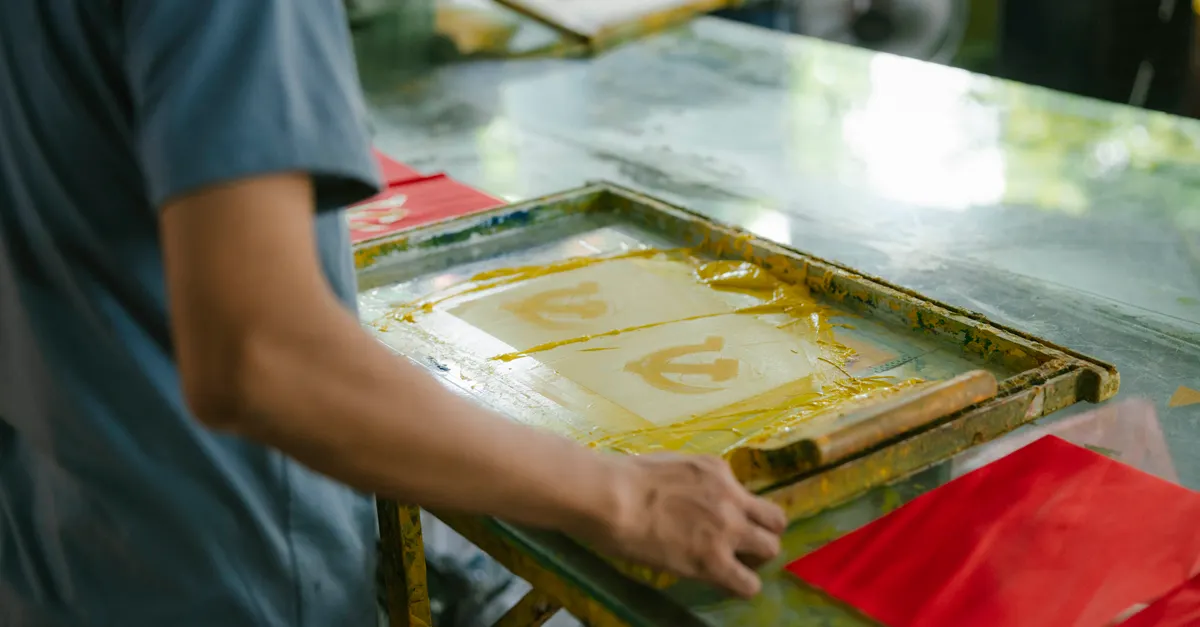
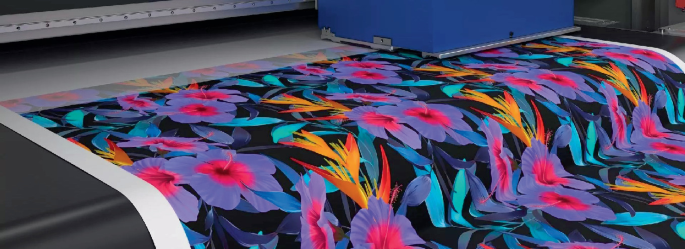
The evolution of textile printing is closely tied to the rise of digital technologies. Traditional methods like screen printing are being complemented—and in some cases replaced—by digital printing, which offers several advantages:
- Customization: Digital printing allows for short runs, unique designs, and rapid prototyping, making it ideal for personalized fashion and home decor.
- Sustainability: With less water, energy, and chemical waste compared to conventional techniques, digital printing supports eco-friendly production goals.
- Speed to Market: Designs can be created, modified, and printed in hours rather than weeks, enabling brands to respond quickly to trends and consumer demands.
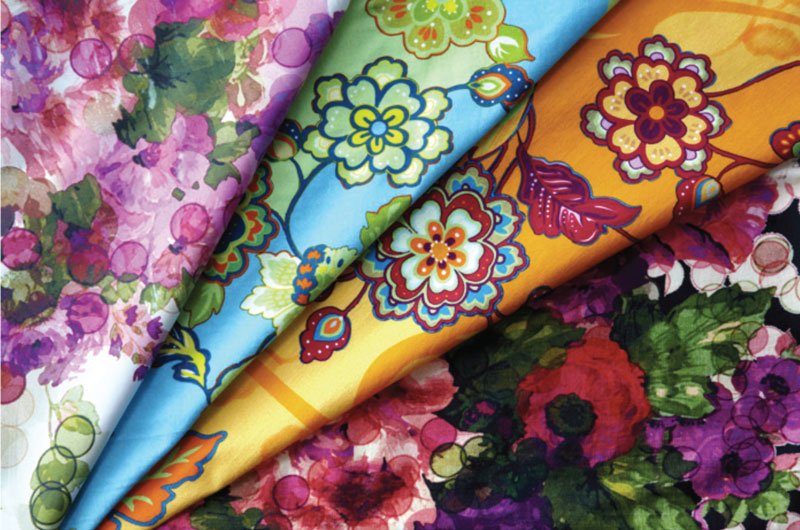
- Complexity and Color: High-resolution prints with unlimited color options and intricate details are now possible on a range of fabrics.
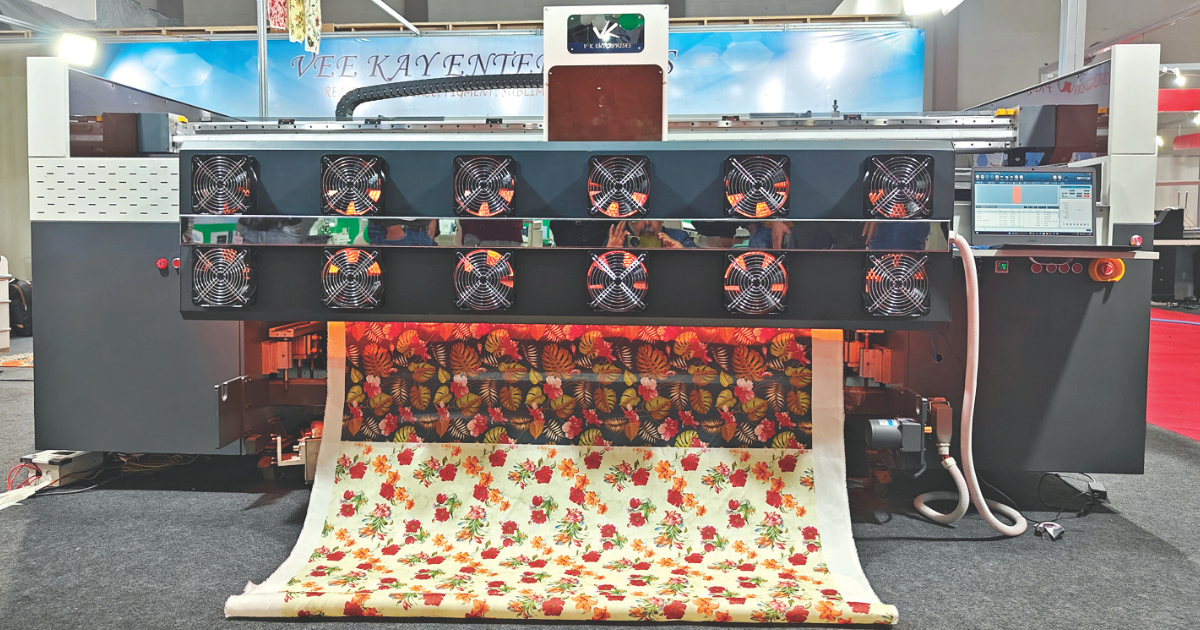
For a deeper dive into the process, this guide to digital fabric printing explains how the technology works and its benefits for designers and manufacturers.
Key Trends Shaping the Next Generation of Textiles
Several major trends are influencing the direction of smart textiles and advanced printing:
- Integration of Electronics: Advances in flexible circuits and conductive inks are making it easier to embed sensors and microchips directly into fabrics without compromising comfort or durability.
- Eco-Friendly Materials: The push for sustainability is leading to the development of biodegradable fibers, water-based inks, and closed-loop production systems.
- Personalization and Localized Production: On-demand printing and local manufacturing reduce waste and allow for unique, customer-driven products. Learn more about the benefits of localized printing for global brands and how this trend is impacting the industry.
- Cross-Industry Collaboration: Partnerships between textile engineers, software developers, and designers are accelerating innovation and bringing new products to market faster.
These trends are not only changing how textiles are made but also how they are used in everyday life, from smart home furnishings to medical wearables.
Challenges and Considerations for the Industry
While the potential of intelligent fabrics and digital printing is vast, there are several challenges to address:
- Durability and Washability: Ensuring that embedded electronics and printed designs withstand repeated washing and wear is a technical hurdle.
- Cost and Scalability: High-tech materials and specialized equipment can be expensive, making mass adoption a gradual process.
- Standardization: The lack of universal standards for smart textiles can complicate integration and interoperability across products and platforms.
- Privacy and Security: Wearable devices that collect personal data must address concerns about data protection and user consent.
Despite these obstacles, ongoing research and investment are steadily overcoming barriers, paving the way for broader adoption of these advanced technologies.
Opportunities for Designers, Brands, and Consumers
The convergence of smart textiles and innovative printing methods is creating new opportunities for everyone involved in the textile value chain:
- Designers can experiment with interactive garments, responsive home textiles, and unique visual effects that were previously impossible.
- Brands can offer personalized products, respond rapidly to market trends, and differentiate themselves through technology-driven features.
- Consumers benefit from more functional, sustainable, and expressive textile products, from fitness trackers embedded in clothing to custom-printed curtains and upholstery.
For those interested in exploring unconventional materials, resources like the guide to printing on cork and non-traditional materials provide practical insights into expanding creative possibilities.
Looking Ahead: The Evolution of Smart Textiles and Printing
As technology continues to advance, the boundaries between textiles, electronics, and digital design will blur even further. We can expect to see:
- Greater Interactivity: Fabrics that respond to touch, sound, or environmental cues, creating immersive experiences in fashion, entertainment, and interior design.
- Medical and Wellness Applications: Smart bandages, posture-correcting shirts, and therapeutic textiles that actively support health and wellbeing.
- Fully Circular Production: Closed-loop systems where textiles are designed for recycling and reuse from the outset, supported by digital tracking and smart labeling.
- Seamless Aesthetics: Printing technologies that mimic natural textures, metallic effects, or even 3D structures, as explored in guides like how to achieve metallic effects without foil.
Ultimately, the future of this field is about combining the best of both worlds: the intelligence and adaptability of smart materials with the creative freedom and efficiency of digital printing.
Frequently Asked Questions
How do smart textiles differ from traditional fabrics?
Smart textiles are engineered to interact with their environment or users, often through embedded electronics, sensors, or responsive materials. Unlike traditional fabrics, they can sense, adapt, or communicate, offering new functionalities such as health monitoring, temperature regulation, or interactive displays.
What are the main benefits of digital textile printing?
Digital textile printing provides high-resolution designs, unlimited color options, and the ability to produce custom or short-run prints efficiently. It also reduces water and chemical use, making it a more sustainable option compared to traditional printing methods.
Will smart textiles and advanced printing become mainstream soon?
Adoption is growing as costs decrease and technology matures. While some applications are already widely available, such as fitness wearables and custom-printed apparel, broader mainstream use will depend on overcoming challenges like durability, cost, and standardization.