Achieving intricate and visually striking effects on textiles often relies on mastering specific printing techniques. Among these, halftone dots stand out for their ability to create detailed gradients, shading, and photorealistic imagery on fabric. Whether you’re a designer, print technician, or a creative hobbyist, understanding how to use halftone dots for detailed fabric prints can elevate your textile projects and open up new creative possibilities.
This article explores the principles behind halftone dot patterns, their application in fabric printing, and practical steps for integrating them into your workflow. You’ll also find tips for optimizing results and links to further resources, including advice on how to use digital printing for fashion trend forecasting to stay ahead in the industry.

Understanding Halftone Dot Patterns in Textile Printing
Halftone printing is a technique that simulates gradients and continuous-tone images using small dots of varying size and spacing. In textile applications, this method allows for the reproduction of photographic images, subtle shading, and complex artwork using a limited set of ink colors. The illusion of depth and detail is achieved by adjusting the density and arrangement of the dots.
When applied to fabric, halftone dots can:
- Create smooth transitions between colors
- Imitate grayscale or color gradients
- Produce detailed images with fewer ink colors
- Reduce ink consumption and improve print efficiency
Mastering this approach is essential for anyone looking to produce detailed fabric prints that stand out in terms of both quality and visual impact.
Preparing Artwork for Halftone Dot Printing
Before printing, artwork must be properly prepared to ensure the halftone effect translates well onto fabric. Here are the key steps:
- Choose High-Resolution Images: Start with artwork or photographs at a resolution of at least 300 DPI. This ensures the halftone dots will be crisp and not blurry when printed.
- Convert to Grayscale or Limited Colors: For single-color prints, convert your image to grayscale. For multi-color prints, separate the artwork into different color channels.
- Apply Halftone Effect: Use graphic design software (such as Adobe Photoshop or Illustrator) to apply a halftone filter. Adjust the dot size, angle, and frequency to suit the fabric’s weave and the desired level of detail.
- Test and Preview: Always preview the halftone pattern at actual print size. This helps you spot any issues with dot gain or loss of detail.
Choosing the Right Printing Method for Halftone Effects
Several printing technologies can reproduce halftone dots on fabric. The most common are:
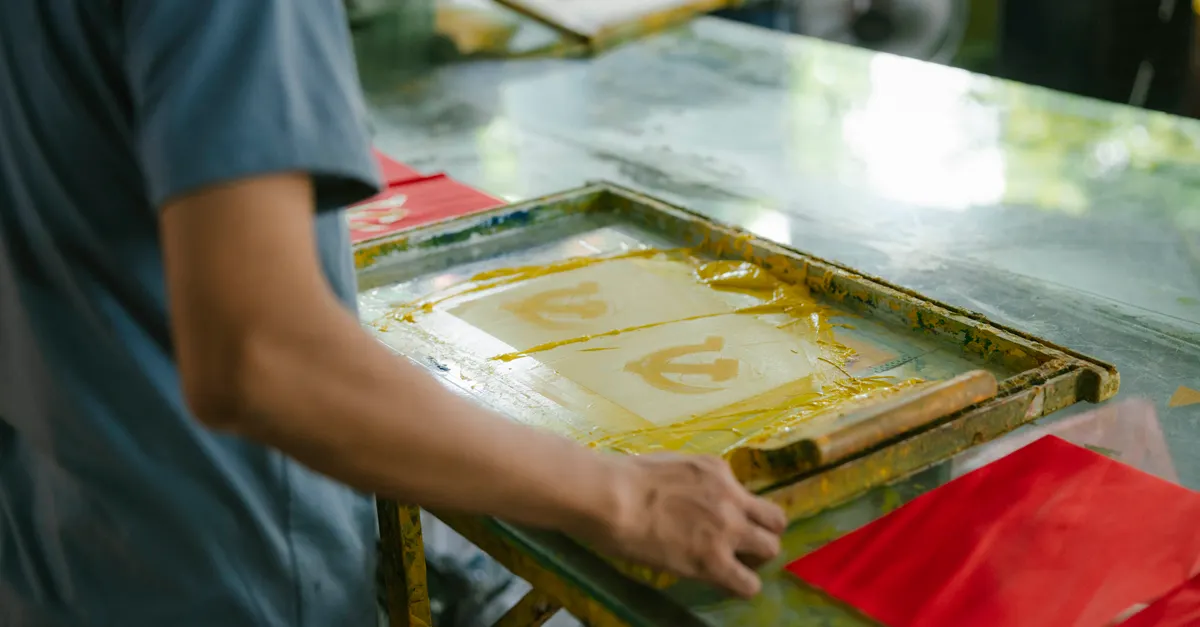
- Screen Printing: This traditional method is ideal for bold halftone patterns and larger runs. Mesh screens are used to transfer ink through the halftone stencil onto the fabric.
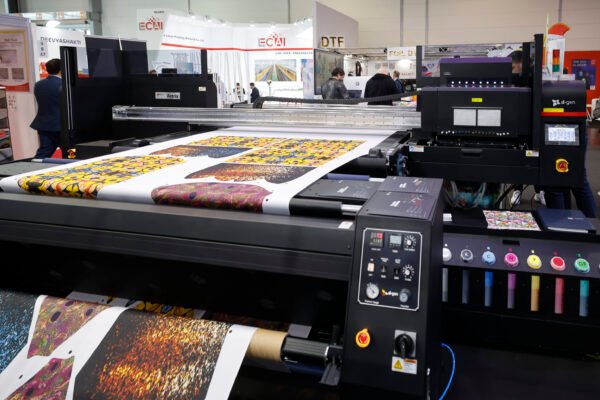
- Digital Textile Printing: Modern digital printers can produce extremely fine halftone dots, making them perfect for detailed and photorealistic designs. Learn more about the process in this comprehensive guide to digital textile printing.
- Sublimation Printing: Suitable for polyester fabrics, sublimation can accurately reproduce halftone gradients and complex color blends.
Each method has its strengths. For example, screen printing offers durability and vibrancy, while digital printing excels at reproducing subtle details and gradients. The choice depends on your project’s requirements, fabric type, and production scale.
Optimizing Halftone Dot Size and Placement for Fabric
The effectiveness of halftone effects on fabric depends heavily on dot size, spacing, and the characteristics of the textile itself. Here are some practical tips:
- Consider Fabric Texture: Coarse or textured fabrics may cause small dots to bleed or disappear. Use larger dots for rough textiles and finer dots for smooth, tightly woven materials.
- Adjust Dot Frequency: The number of dots per inch (LPI or DPI) should match the resolution capability of your printing method and the fabric’s ability to hold detail. Typical values range from 35–65 LPI for screen printing and up to 150–200 DPI for digital printing.
- Test Print Swatches: Always print a small sample before full production. This allows you to check for dot gain, color accuracy, and overall appearance.
- Mind the Moiré Effect: Overlapping halftone patterns or misaligned screens can produce unwanted moiré patterns. Adjust angles and preview your design to avoid this issue.

Practical Workflow: From Design to Finished Fabric
To successfully incorporate halftone dots into your textile projects, follow this step-by-step workflow:
- Design Creation: Prepare your artwork with halftone effects using design software. Separate colors if needed.
- Print Preparation: For screen printing, create screens for each color. For digital, ensure your file is in the correct format and resolution.
- Test Printing: Print a sample on the intended fabric. Assess dot clarity, color, and overall effect.
- Adjustments: Refine dot size, spacing, or color separations based on test results.
- Full Production: Once satisfied, proceed with the full print run, monitoring quality throughout.
For those interested in exploring advanced applications, consider reading about what is the future of smart textiles and printing to see how halftone techniques are evolving with new materials and technologies.
Tips for Achieving High-Quality Detailed Fabric Prints
To get the best results when using halftone dots for textile printing, keep these best practices in mind:
- Use Quality Inks: High-quality, fabric-specific inks produce sharper dots and better wash resistance.
- Maintain Equipment: Clean screens, print heads, and other equipment regularly to prevent clogging or misprints.
- Monitor Environmental Conditions: Humidity and temperature can affect ink flow and fabric absorption.
- Stay Updated: Printing technology evolves rapidly. Stay informed about new techniques and materials by following industry news and resources.
For more insights on ensuring luxury results, see these tips for high-end luxury fabric printing and quality control.
Frequently Asked Questions
What is the ideal dot size for halftone printing on fabric?
The ideal dot size depends on the fabric’s weave and the printing method. For smooth, tightly woven textiles, smaller dots (higher DPI) can be used for more detail. For coarser fabrics, larger dots help maintain clarity and prevent ink bleed.
Can halftone dots be used with both screen and digital printing?
Yes, halftone techniques work with both screen and digital printing. Digital printing allows for finer detail and more complex gradients, while screen printing is better suited for bold, graphic halftone effects and larger production runs.
How do I avoid moiré patterns in my fabric prints?
To prevent moiré, adjust the angle of your halftone dots and avoid overlapping patterns. Always preview your design at print size and test on the actual fabric before full production.
Are halftone dots suitable for all types of fabric?
Most fabrics can be printed with halftone dots, but results vary based on texture and absorbency. Smooth, tightly woven fabrics yield the best detail, while textured or stretchy materials may require larger dots and additional testing.
Conclusion
Mastering the use of halftone dots enables you to create detailed fabric prints with unique visual effects, from subtle gradients to photorealistic images. By understanding the principles of halftone design, preparing your artwork carefully, and choosing the right printing method, you can achieve professional-quality results on a wide range of textiles. For further reading on innovative printing techniques, explore how to print on cork and non-traditional materials or discover how to set up a small scale fashion printing studio at home.