Selecting the right 3D printing materials for intricate designs is essential for achieving the fine details, complex geometries, and functional performance that advanced projects demand. The choice of material directly impacts not only the visual quality but also the feasibility of producing delicate features, thin walls, and interlocking parts. Understanding how different materials behave during the printing process and how their properties influence the final outcome is key to successful results, especially when working with challenging or highly detailed models.
Material Properties That Enable Intricate 3D Prints
When it comes to producing highly detailed or delicate objects, certain material characteristics play a crucial role. The ability to capture fine details, maintain dimensional accuracy, and support complex internal structures depends on the following properties:
- Resolution and Detail Capability: Materials like resin, used in SLA and DLP printers, are renowned for their ability to reproduce extremely fine details. Resin’s low viscosity allows it to flow into tiny crevices, making it ideal for miniature models, jewelry prototypes, and medical devices where precision is paramount.
- Strength and Flexibility: Nylon stands out for its combination of toughness and flexibility. This makes it suitable for intricate parts that require both durability and the ability to withstand bending or stress, such as snap-fit assemblies or moving mechanisms.
- Layer Adhesion and Surface Finish: Good layer bonding ensures that thin walls and small features do not break or delaminate. Materials with excellent adhesion properties, such as certain photopolymer resins and engineered thermoplastics, are better suited for complex geometries.
- Thermal Stability: Some intricate designs may require post-processing or exposure to heat. ABS, for example, is valued for its ability to withstand higher temperatures without warping, making it a practical choice for functional prototypes with detailed features.
By focusing on these properties, designers can select materials that not only support their creative vision but also ensure the reliability and accuracy of the finished product.
Comparing Popular 3D Printing Materials for Complex Designs
The landscape of 3D printing materials for intricate designs includes a variety of options, each with its own strengths and limitations. Here’s how some of the most widely used materials compare when it comes to producing complex shapes:
- Photopolymer Resins: These are the go-to choice for ultra-high detail and smooth surface finishes. Used in SLA and DLP technologies, resins excel at capturing minute details and are often used for dental models, jewelry, and miniatures. However, they can be brittle and may not be suitable for parts that require significant mechanical strength.
- Nylon (Polyamide): Favored for its strength and flexibility, nylon is commonly used in SLS (Selective Laser Sintering) printers. It allows for the creation of durable, functional parts with intricate internal structures, such as hinges or lattice frameworks. Nylon’s resilience makes it suitable for both prototypes and end-use components.
- ABS (Acrylonitrile Butadiene Styrene): Known for its toughness and heat resistance, ABS is a cost-effective material for printing durable parts. While it may not achieve the same level of detail as resin, it is a practical choice for functional prototypes that require both complexity and strength.
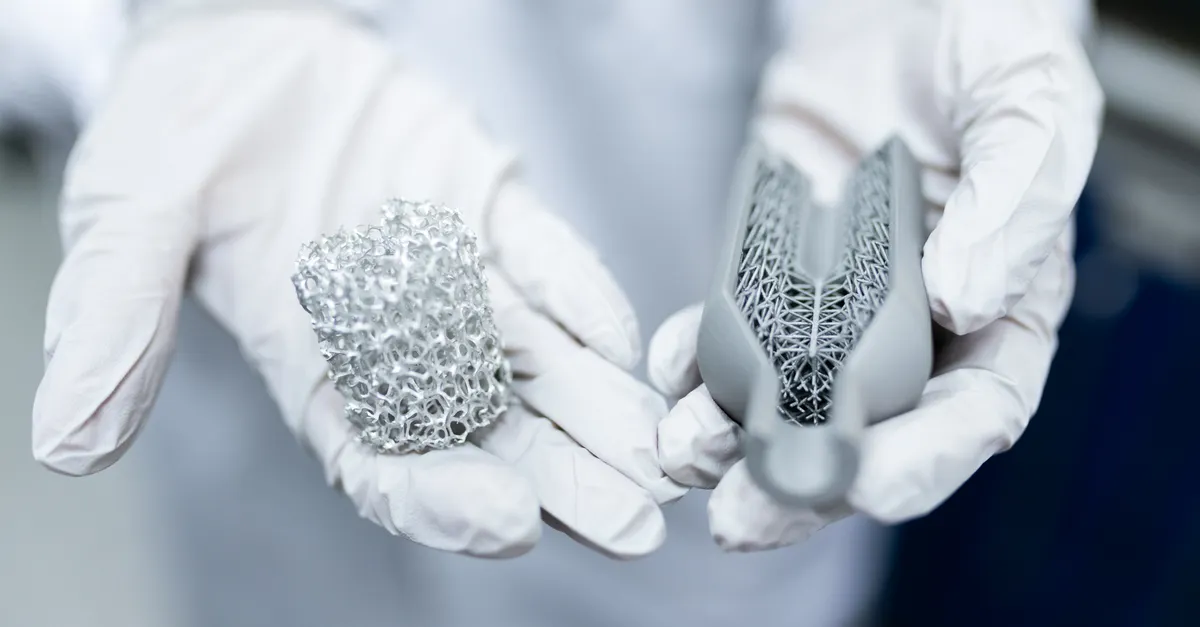
- Metal Powders: Used in advanced industrial printers, metal powders such as stainless steel or titanium enable the production of highly complex and robust parts. These materials are ideal for aerospace, automotive, and medical applications where both detail and performance are critical.
- Flexible Filaments (TPE, TPU): For designs that require elasticity, flexible filaments allow parts to stretch, bend, or compress. While not always suitable for ultra-fine details, they are valuable for producing gaskets, wearable devices, or components that must absorb impact.
The selection process often involves balancing the need for detail with the required mechanical properties. For example, a designer creating a miniature architectural model may prioritize resin for its detail, while someone building a functional prototype with moving parts might opt for nylon or ABS.
Technologies That Support Detailed 3D Printing
The success of printing intricate designs is not determined by material alone; the underlying 3D printing technology also plays a significant role. Certain processes are inherently better suited for complex geometries and fine features:
- SLA (Stereolithography): Utilizes a laser to cure liquid resin layer by layer, achieving exceptional resolution and surface quality. SLA is ideal for applications where detail and smoothness are paramount, such as dental models or jewelry prototypes.
- DLP (Digital Light Processing): Similar to SLA but uses a digital projector screen to flash each layer, allowing for fast and highly detailed prints. DLP is often chosen for small, intricate parts that require speed and precision.
- SLS (Selective Laser Sintering): Uses a laser to fuse powdered materials, typically nylon, enabling the production of strong, complex shapes with internal features. SLS is valued for its ability to print moving parts and assemblies in a single build without support structures.
Choosing the right technology is as important as selecting the right material. For example, while FDM (Fused Deposition Modeling) is popular for general use, it may not deliver the same level of detail as SLA or DLP when working with intricate designs.
Challenges and Limitations When Printing Complex Geometries
Despite the advances in materials and technology, printing intricate designs presents several challenges:
- Support Structures: Highly detailed parts often require supports during printing, especially with overhangs or thin features. Removing these supports without damaging the part can be difficult, particularly with brittle materials.
- Print Speed and Layer Height: Achieving fine detail typically means using thinner layers, which increases print time. Balancing speed with quality is an ongoing challenge for designers and manufacturers.
- Material Limitations: Some materials, like certain resins, may be prone to brittleness, while others, like flexible filaments, may not capture sharp edges as well. Understanding these trade-offs is essential for successful outcomes.
- Post-Processing: Intricate parts often need careful cleaning, curing, or finishing to achieve the desired appearance and function. This adds time and complexity to the workflow.
Awareness of these limitations allows designers to make informed decisions, optimizing both design and material choice for the best possible results.
Real-World Examples: Materials in Action for Intricate Designs
To illustrate how material selection impacts the success of intricate 3D prints, consider these practical examples:
- Miniature Figurines: Artists and hobbyists often use SLA resin to produce figurines with lifelike facial features, delicate accessories, and smooth surfaces. The fine detail achievable with resin brings these models to life in ways that FDM or SLS cannot match.
- Functional Prototypes: Engineers designing snap-fit enclosures or interlocking gears frequently turn to nylon for its strength and flexibility. SLS-printed nylon parts can include complex internal channels or moving joints, enabling rapid prototyping of working mechanisms.
- Jewelry and Dental Models: Both industries rely on photopolymer resins for their ability to replicate intricate textures and precise dimensions. Dental labs, for example, use SLA or DLP printers to create crowns and bridges that fit perfectly, while jewelers produce detailed wax patterns for casting.
These examples demonstrate that the right material, paired with the appropriate technology, can unlock new possibilities for complex and delicate designs.
Best Practices for Achieving Detail and Precision
To maximize the potential of 3D printing materials for intricate designs, consider the following best practices:
- Optimize Design for Manufacturability: Use design software to check for unsupported features, thin walls, or areas that may be difficult to print. Adjusting wall thickness and adding fillets can improve print success.
- Select the Right Layer Height: Thinner layers capture more detail but increase print time. Choose a layer height that balances resolution with efficiency.
- Calibrate Printer Settings: Fine-tune exposure times, temperatures, and print speeds for the chosen material. Proper calibration ensures consistent results and reduces the risk of failed prints.
- Plan for Post-Processing: Anticipate the need for cleaning, curing, or sanding, especially with resin prints. Gentle handling is crucial to avoid damaging delicate features.
For those interested in exploring more specialized applications, such as architectural models or custom parts, resources like 3D printing materials for model making offer additional guidance tailored to specific project needs.

Conclusion
Choosing the right material is fundamental to the success of any intricate 3D print. By understanding how properties like resolution, strength, flexibility, and thermal stability influence the printing process, designers and engineers can make informed decisions that lead to exceptional results. Whether producing detailed miniatures, functional prototypes, or complex assemblies, the combination of suitable materials and advanced printing technologies opens up new creative and practical possibilities in the world of additive manufacturing.
Frequently Asked Questions
What is the best material for printing highly detailed 3D models?
Resin, used in SLA and DLP printers, is widely regarded as the best material for capturing fine details and smooth surfaces in small or intricate models. Its low viscosity and excellent resolution make it ideal for applications requiring high precision.
Can flexible materials be used for intricate designs?
Yes, flexible filaments like TPU and TPE can be used for intricate parts that need to bend or stretch. However, they may not capture extremely sharp edges or ultra-fine details as well as rigid materials like resin or nylon.
How do I choose between nylon and ABS for complex parts?
Nylon is preferred for parts that require both strength and flexibility, especially for moving mechanisms or snap-fit assemblies. ABS is a good choice for durable, heat-resistant parts where fine detail is less critical. Consider the functional requirements and desired level of detail when making your selection.