Delivering exceptional results in the world of luxury textiles requires more than just technical skill—it demands a deep understanding of materials, advanced printing methods, and rigorous quality control. Whether you’re a designer, manufacturer, or print specialist, mastering the nuances of high-end luxury fabric printing can set your products apart in a competitive market. This article explores essential strategies, from selecting premium fabrics to implementing robust inspection protocols, to help you achieve consistently superior outcomes.
For those interested in how advanced technologies are shaping the textile industry, you may also want to explore what is the future of smart textiles and printing for further insights into innovation and trends.
Choosing the Right Fabrics for Premium Results
The foundation of any luxury textile project is the fabric itself. High-quality base materials ensure that prints are vibrant, textures are pleasing, and finished products meet elevated expectations. When selecting fabrics for upscale printing:
- Natural fibers like silk, cotton, and linen are popular for their tactile appeal and ability to absorb dyes deeply, resulting in rich, lasting colors.
- Synthetic blends can offer durability and unique finishes but must be carefully matched with compatible inks and processes.
- Always source from reputable suppliers who provide detailed specifications and consistent quality.
Pre-treating fabrics is also crucial. Proper washing, de-sizing, or applying primers can enhance ink adhesion and prevent issues like color bleeding or uneven prints.
Advanced Printing Techniques for Luxury Textiles
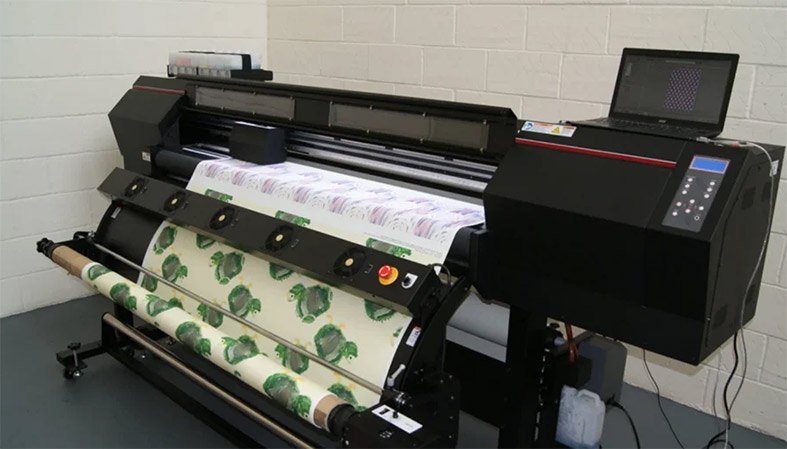
To achieve the exquisite detail and color depth expected in high-end fabric printing, it’s essential to use advanced methods tailored to the project’s requirements. Some of the most effective techniques include:
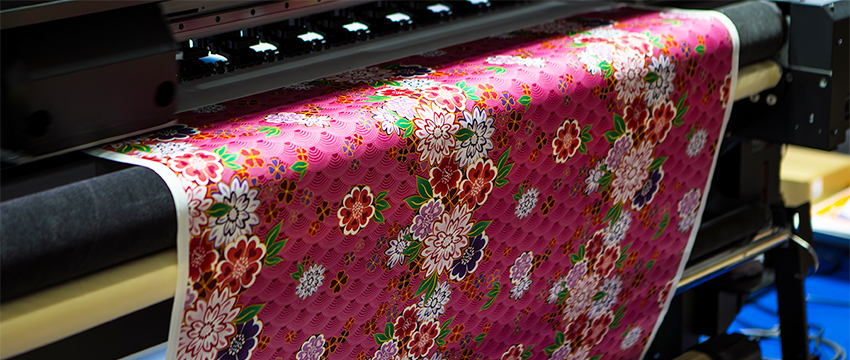
- Digital textile printing: Offers unmatched flexibility for intricate designs and short runs. It enables precise color control and sharp detailing, making it ideal for custom luxury projects.
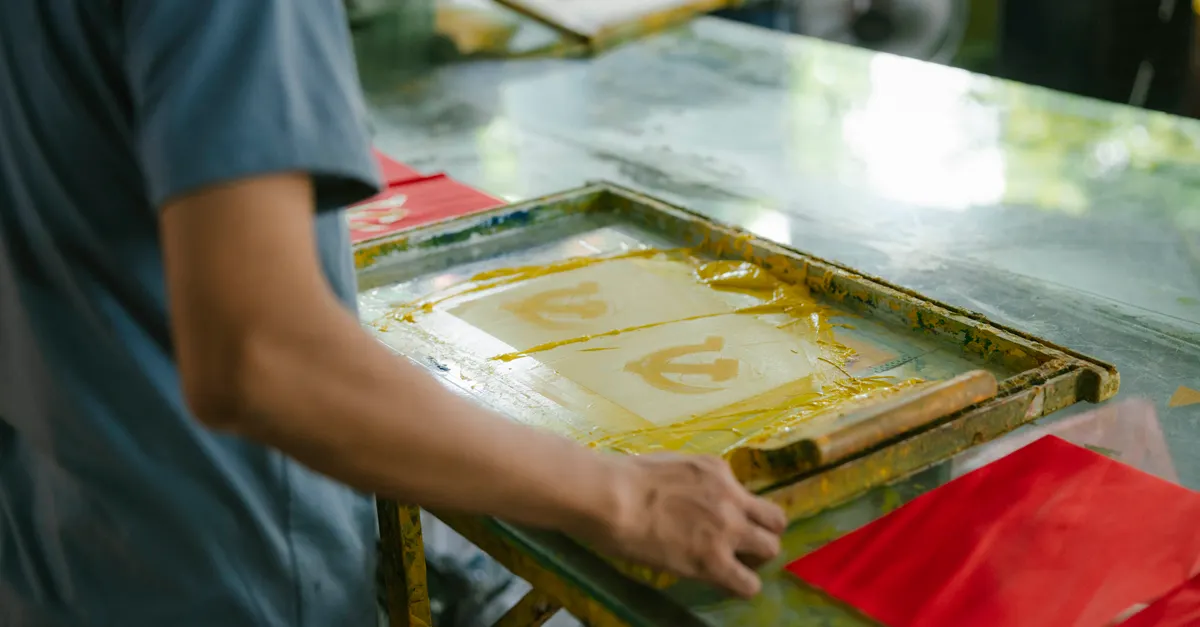
- Screen printing: Delivers vibrant, saturated colors and is well-suited for large-scale production, though it may be less effective for highly detailed patterns.
- Dye-sublimation: Particularly effective on synthetic fabrics, this method produces durable, fade-resistant prints with a soft hand feel.
For a deeper dive into the latest digital innovations, see this comprehensive guide to digital textile printing for luxury applications.
Color Management and Consistency in Fabric Printing
Maintaining color accuracy and consistency is a hallmark of luxury textile production. Even minor deviations can compromise the perceived value of a finished product. To ensure reliable results:
- Use calibrated monitors and color profiles throughout the design and proofing stages.
- Implement standardized lighting conditions in both design and inspection areas to avoid color misjudgment.
- Conduct regular test prints and compare them to approved color standards or swatches.
- Document and control all variables, including ink batches, fabric lots, and environmental conditions.
By prioritizing color management, brands can deliver products that meet the high expectations of discerning clients and maintain a consistent brand image across collections.
Quality Control Protocols for High-End Fabric Printing
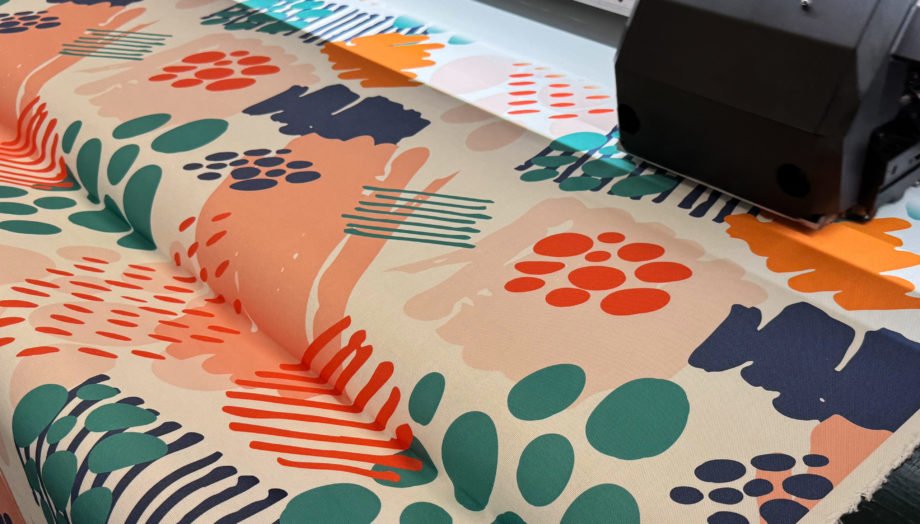
Rigorous quality control is essential to uphold the standards expected in luxury textiles. Effective protocols should be integrated at every stage of production:
- Pre-production checks: Inspect raw fabrics for flaws, measure shrinkage, and verify that pre-treatments have been applied correctly.
- In-process monitoring: Continuously check for print alignment, color consistency, and ink penetration during printing runs.
- Post-production inspection: Examine finished textiles for defects such as streaks, color variation, or misprints. Use both visual and instrumental methods (e.g., spectrophotometers) for objective assessment.
- Documentation: Maintain detailed records of each batch, including fabric source, ink lot, machine settings, and inspection results, to enable traceability and process improvement.
Incorporating these steps helps minimize waste, reduce costly reprints, and ensure that only flawless products reach clients.
Environmental Considerations and Sustainable Practices
Luxury consumers are increasingly attentive to sustainability. Adopting eco-friendly practices in fabric printing not only benefits the environment but also enhances brand reputation. Consider the following approaches:
- Choose water-based or low-impact inks that reduce harmful emissions and are safer for workers.
- Implement closed-loop water systems to minimize water usage and contamination.
- Source organic or recycled fabrics where possible, and work with suppliers who adhere to ethical standards.
- Optimize print runs to reduce waste and recycle offcuts or misprints.
Integrating sustainability into your workflow can be a powerful differentiator in the luxury market.
Collaborating with Designers and Clients
Effective communication is key to successful outcomes in premium fabric printing. Collaborate closely with designers and clients to:
- Clarify expectations regarding color, texture, and finish.
- Share test swatches and prototypes for approval before full production.
- Provide technical guidance on file preparation, resolution, and color profiles to avoid surprises.
- Be transparent about production timelines and any limitations related to materials or techniques.
Building strong relationships and maintaining open lines of communication help ensure that the final product aligns with the creative vision and meets luxury standards.
Integrating Technology and Automation
Modern fabric printing facilities increasingly rely on technology to enhance precision and efficiency. Key advancements include:
- Automated inspection systems that detect defects in real time, reducing human error.
- Digital workflow management tools for tracking orders, materials, and quality metrics.
- Color management software that synchronizes design, proofing, and production for seamless consistency.
Staying updated with the latest tools can streamline operations and support the delivery of consistently high-quality textiles.
Frequently Asked Questions
What are the most important factors in achieving premium quality in luxury fabric printing?
The most critical elements include selecting high-grade base materials, using advanced printing methods, maintaining strict color management, and implementing thorough quality control at every stage of production.
How can I ensure color consistency across different fabric batches?
To maintain color consistency, use calibrated equipment, standardized color profiles, and conduct regular test prints. Document all variables, including ink and fabric lots, and compare outputs to approved swatches under controlled lighting conditions.
Are there sustainable options for luxury textile printing?
Yes, sustainable practices include using water-based inks, sourcing organic or recycled fabrics, minimizing waste, and working with suppliers who follow ethical and environmentally friendly standards.
Conclusion
Mastering the art of luxury textile printing requires attention to detail, technical expertise, and a commitment to quality at every step. By carefully selecting materials, leveraging advanced techniques, and prioritizing sustainability and quality control, you can consistently deliver products that meet the highest standards. For those looking to expand their expertise, exploring topics like how to use digital printing for fashion trend forecasting can provide further inspiration and practical knowledge for staying ahead in the luxury fabric market.