The steaming process in reactive printing is a crucial step that determines the vibrancy, durability, and overall quality of printed textiles. In the world of textile manufacturing, especially with cotton and other cellulosic fibers, reactive dyes are prized for their ability to form strong chemical bonds with fabric. However, for these bonds to form effectively, the printed fabric must undergo controlled steaming. This guide explores the role of steaming in the reactive dye process, how it works, and why it is essential for achieving professional results in textile printing.
Understanding this process is particularly important for those involved in digital textile printing, fashion production, and anyone seeking to improve print fastness and color brilliance. If you are interested in broader applications of digital printing in fashion, you may also find value in learning how to use digital printing for fashion trend forecasting.
Why Steaming Is Essential in Reactive Dye Printing
After applying reactive dyes to fabric, the colors are not yet permanently fixed. The steaming stage is what transforms the printed pattern from a temporary image into a wash-fast, vibrant design. Steaming provides the heat and moisture necessary for the dye molecules to chemically react with the fibers, forming covalent bonds. This reaction is what gives reactive prints their renowned colorfastness and resistance to washing and rubbing.
Without proper steaming, the dyes would remain on the surface of the fabric and would easily wash out or fade. The process is especially critical for natural fibers like cotton, linen, and viscose, which are commonly used in high-quality textile products.
How the Steaming Process Works in Reactive Printing
The steaming process in reactive printing involves exposing the printed fabric to saturated steam under controlled conditions. Here’s a step-by-step overview:
- Preparation: After printing, the fabric is carefully dried to remove excess moisture but not the print paste.
- Steaming: The dried, printed fabric is fed into a steam chamber or steamer. The temperature typically ranges from 100°C to 105°C (212°F to 221°F), and the process lasts anywhere from 8 to 15 minutes, depending on the fabric and dye used.
- Fixation: During steaming, the heat and moisture activate the dye molecules, allowing them to react with the fabric’s cellulose. This chemical reaction forms a strong bond between dye and fiber.
- After-Treatment: Once steaming is complete, the fabric is washed thoroughly to remove any unfixed dye and auxiliary chemicals, ensuring the print’s durability and softness.
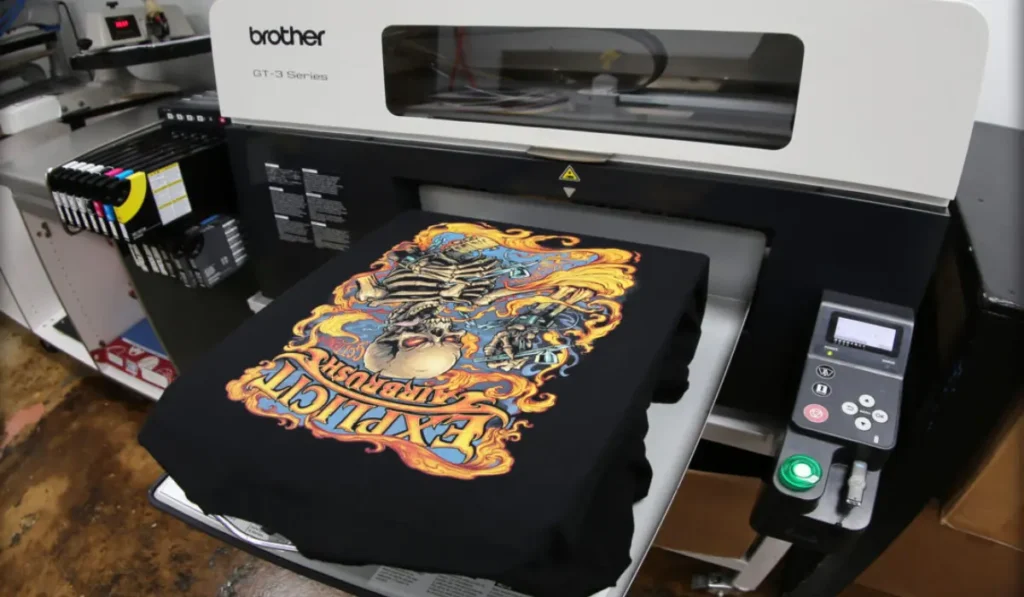
Types of Steamers Used in Textile Printing
Different types of steamers are used in the textile industry, each suited to specific production needs and fabric types. The main categories include:
- Batch Steamers: These are used for small to medium production runs. The fabric is placed in a chamber and steamed in batches, allowing for precise control over time and temperature.
- Continuous Steamers: Ideal for large-scale production, these machines feed fabric through a steam chamber on a conveyor, ensuring consistent processing for long rolls of fabric.
- Jet Steamers: These use jets of steam to rapidly fix dyes, often used for specialty fabrics or when high-speed processing is required.
The choice of steamer depends on factors such as fabric composition, production volume, and the specific requirements of the print design.
Key Parameters for Effective Steaming in Reactive Printing
Achieving optimal results in the steaming process for reactive dye printing requires careful control of several parameters:
- Temperature: The ideal range is usually between 100°C and 105°C. Too low, and the reaction is incomplete; too high, and the fabric or print may be damaged.
- Humidity: Saturated steam (100% humidity) is essential. Dry heat will not allow the dye to react fully with the fibers.
- Time: The duration must be long enough for the dye-fiber reaction to complete but not so long as to cause bleeding or loss of sharpness in the print.
- Fabric Tension: The fabric should be kept taut to prevent distortion or blurring of the printed design during steaming.
Monitoring and adjusting these parameters can significantly impact the final appearance and performance of the printed textile.
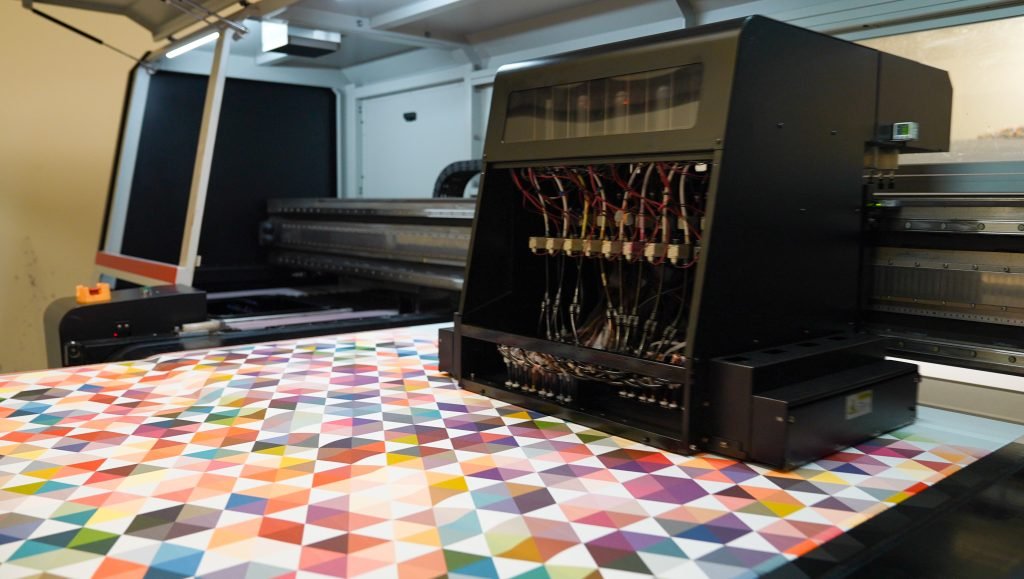
Common Challenges and Solutions in Steaming for Reactive Prints
While the steaming process in reactive printing is straightforward in principle, several challenges can arise:
- Uneven Color Fixation: Can result from inconsistent steam distribution or temperature fluctuations. Regular maintenance and calibration of steamers help prevent this issue.
- Color Bleeding: Over-steaming or excessive humidity may cause dyes to migrate, leading to blurred patterns. Precise control of time and humidity is essential.
- Fabric Shrinkage: Natural fibers may shrink during steaming. Pre-shrinking the fabric or adjusting tension can minimize this effect.
- Residue and Staining: Inadequate washing after steaming can leave unfixed dye on the fabric. Thorough after-treatment is necessary for clean, soft results.
By understanding and addressing these challenges, manufacturers can consistently produce high-quality, colorfast prints.
Steaming in the Context of Modern Digital Textile Printing
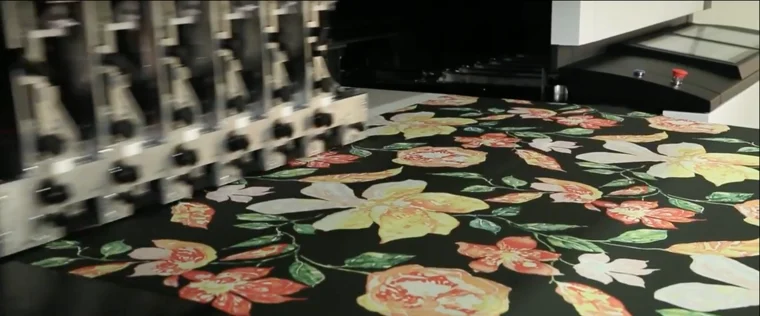
With the rise of digital textile printing, the steaming process for reactive dyes remains as relevant as ever. Digital methods allow for intricate, high-resolution designs, but the fundamental chemistry of dye fixation has not changed. Steaming ensures that even the most detailed digital prints achieve the desired brilliance and durability.
For those interested in the broader landscape of textile printing, including digital and advanced techniques, resources like this comprehensive definition of digital textile printing provide valuable context.
Best Practices for Achieving Superior Results
To maximize the benefits of the steaming stage in reactive dye printing, consider these best practices:
- Always pre-test fabrics and dyes to determine optimal steaming conditions.
- Maintain clean, well-calibrated steaming equipment to ensure consistent results.
- Monitor environmental factors, such as ambient temperature and humidity, which can affect steaming efficiency.
- Implement thorough washing and soaping procedures after steaming to remove all unfixed dyes and chemicals.
- Stay updated on industry innovations and quality control methods. For those working with premium textiles, see these tips for high-end luxury fabric printing for further insights.
Frequently Asked Questions
What happens if the steaming process is skipped in reactive dye printing?
If steaming is omitted, the reactive dyes do not form strong chemical bonds with the fabric. This results in poor color fastness, with prints that fade or wash out quickly. Steaming is essential for achieving durable, vibrant textile prints.
Can steaming parameters be adjusted for different fabrics?
Yes, the ideal temperature, humidity, and duration may vary depending on the type of fabric and dye formulation. It is important to conduct tests and adjust settings to ensure optimal fixation and prevent issues like shrinkage or color bleeding.
Is steaming required for all types of textile printing?
No, steaming is specifically required for reactive dye printing on cellulosic fibers. Other printing methods, such as pigment or sublimation printing, use different fixation processes and may not require steaming.
Conclusion
The steaming process in reactive printing is a vital step that transforms printed designs into lasting, high-quality textiles. By providing the right combination of heat and moisture, steaming enables the chemical reaction necessary for dye fixation, ensuring that colors remain bright and durable through washing and wear. Mastery of this process, along with careful control of equipment and parameters, is key to success in both traditional and digital textile printing environments.