Ensuring that fresh produce reaches consumers in optimal condition is a top priority for growers, distributors, and retailers alike. Food-safe packaging for fruits plays a critical role in maintaining freshness, preventing contamination, and extending shelf life. With increasing consumer awareness about food safety and sustainability, understanding the materials and standards behind fruit packaging is more important than ever.
Whether you are a small-scale farmer, a packaging supplier, or a retailer, selecting the right packaging involves more than just aesthetics. It requires knowledge of food safety regulations, material science, and the latest industry trends. For those interested in how innovative printing techniques intersect with packaging, you may also want to explore how to use digital printing for fashion trend forecasting to see how technology is shaping packaging design.
Why Food-Safe Packaging Matters for Fresh Produce
The journey from farm to table exposes fruits to various risks, including physical damage, microbial contamination, and moisture loss. Food-safe packaging for fruits acts as a protective barrier, helping to:
- Prevent cross-contamination from handling and transport
- Maintain optimal humidity and temperature conditions
- Reduce spoilage and waste by extending shelf life
- Enhance product presentation and consumer trust
Packaging that meets food safety standards is not just about compliance; it’s about ensuring that the fruit remains safe and appealing until it reaches the consumer.
Key Materials Used in Safe Fruit Packaging
Several types of materials are commonly used to package fresh fruits. Each has specific properties that make it suitable for different types of produce and distribution channels:
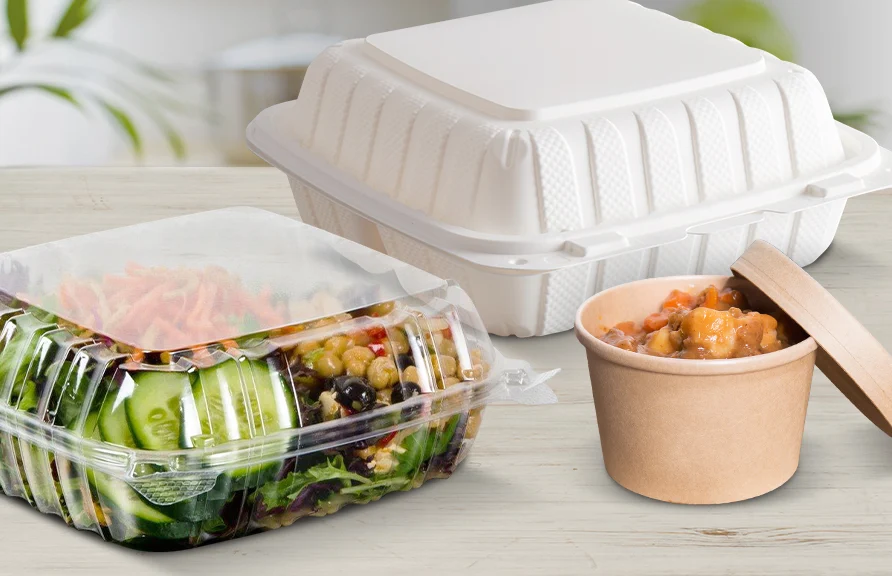
- Plastic containers: Lightweight, transparent, and moisture-resistant, these are widely used for berries, grapes, and cut fruit. Look for containers labeled as food-grade or food-safe.
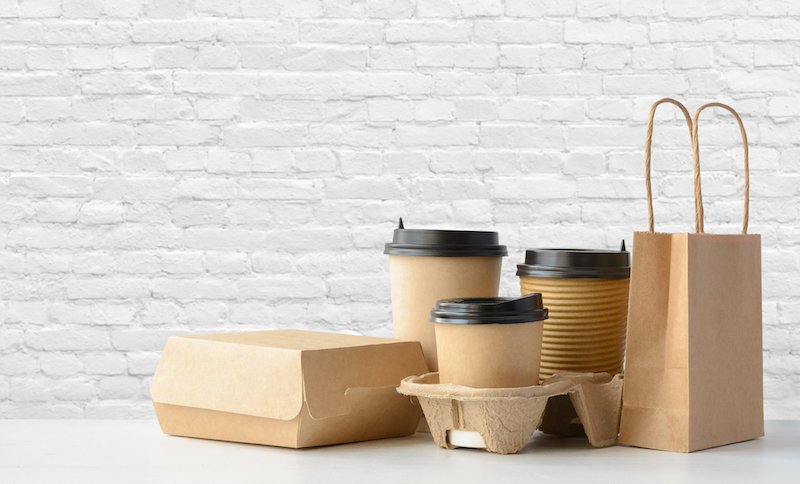
- Pulp and paper-based packaging: Increasingly popular due to their compostability and recyclability, these materials are often used for apples, pears, and citrus fruits.
- Biodegradable films: Made from plant-based polymers, these offer a sustainable alternative to traditional plastics while maintaining food safety.
- Netting and mesh bags: Common for citrus and onions, these allow air circulation and reduce condensation.
Understanding Food-Safe Standards and Certifications
Not all packaging labeled for food use is created equal. To ensure true safety, packaging must meet specific regulatory standards. In most regions, this means compliance with guidelines set by agencies such as the FDA (U.S.), EFSA (Europe), or similar authorities. Key considerations include:
- Material composition: Packaging should not contain harmful chemicals that could migrate into the fruit.
- Manufacturing practices: Facilities must follow Good Manufacturing Practices (GMP) to prevent contamination during production.
- Labeling: Look for clear indications that the packaging is food-safe, such as the glass-and-fork symbol or explicit wording.
For a deeper dive into how to identify compliant packaging, see this comprehensive guide to recognizing food-safe packaging materials.
Innovations and Trends in Fruit Packaging
The packaging industry continues to evolve, driven by consumer demand for sustainability and convenience. Some of the latest trends include:
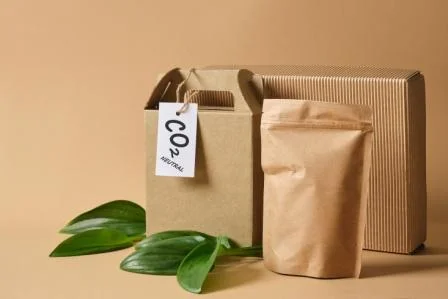
- Compostable and biodegradable options: These reduce environmental impact without compromising food safety.
- Active packaging: Incorporates materials that absorb ethylene gas or moisture, helping to prolong freshness.
- Smart labels and QR codes: Allow consumers to trace the origin of their fruit and verify safety standards.
- Minimalist design: Reduces material use and waste while still protecting the product.
How to Choose the Right Packaging for Your Fruit Business
Selecting the ideal packaging solution depends on several factors:
- Type of fruit: Soft fruits like berries require cushioning and moisture control, while hard fruits may need ventilation.
- Distribution method: Long-distance shipping may require sturdier, tamper-evident packaging.
- Sustainability goals: Consider compostable or recyclable materials to appeal to eco-conscious consumers.
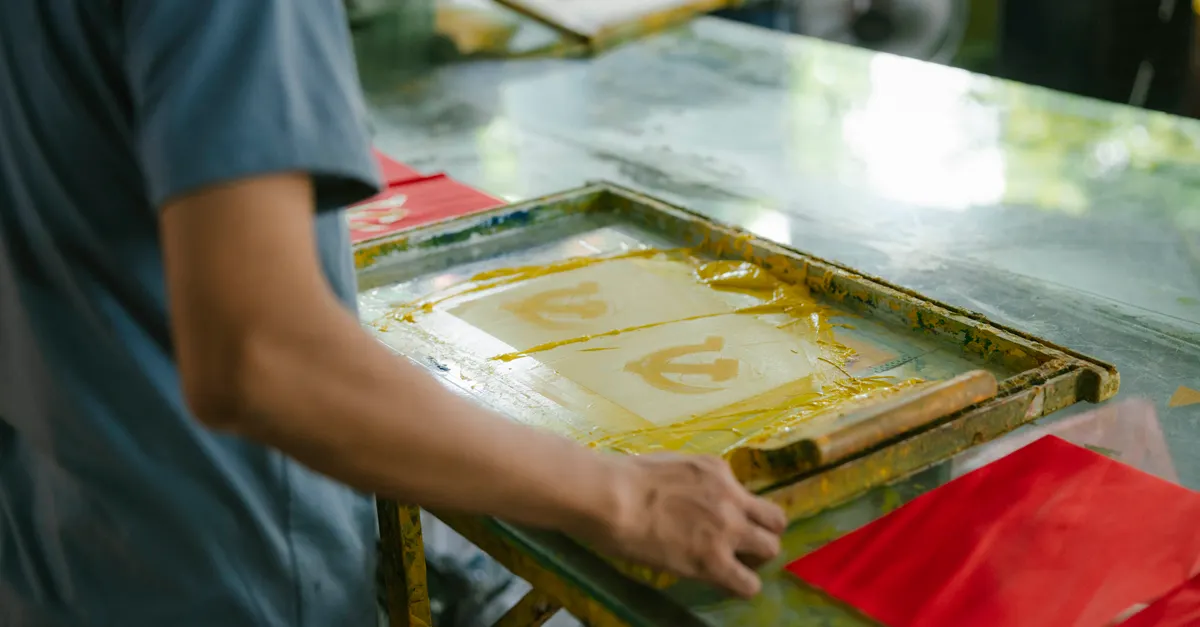
- Branding and design: Packaging is also a marketing tool. Custom printing can help your product stand out on the shelf.
For those interested in creative approaches to packaging and printing, learning about how to print on cork and non-traditional materials can inspire innovative solutions for fruit packaging as well.
Common Mistakes to Avoid with Fruit Packaging
Even with the best intentions, mistakes in packaging selection or handling can compromise food safety. Avoid these common pitfalls:
- Using non-food-grade materials that may leach chemicals
- Over-packaging, which can trap moisture and accelerate spoilage
- Neglecting to match packaging type to the fruit’s respiration needs
- Ignoring local regulations and certifications
Regularly reviewing packaging choices and staying updated on industry standards is essential for maintaining both safety and quality.
Frequently Asked Questions
What makes packaging food-safe for fruits?
Food-safe packaging is made from materials that do not contain harmful chemicals and are manufactured under hygienic conditions. These materials are tested to ensure they do not transfer contaminants to the fruit and comply with regulatory standards.
How can I tell if a packaging material is suitable for fresh produce?
Look for clear labeling such as the glass-and-fork symbol, or statements indicating the packaging is food-safe. You can also consult regulatory guidelines or ask suppliers for certification documents.
Are biodegradable packaging options as safe as traditional plastics?
Yes, as long as they are certified for food contact. Biodegradable and compostable packaging must still meet the same safety standards as conventional materials to ensure they do not compromise the quality or safety of the fruit.