Creating high-density 3D effects on shirts is a popular trend in custom apparel, offering a tactile and visually striking finish that stands out from standard prints. This technique is widely used in fashion, sportswear, and promotional clothing to add depth and texture to designs. Whether you are a print shop owner, designer, or DIY enthusiast, understanding the process and best practices for producing these raised prints is essential for achieving professional results.
In this guide, we’ll break down the entire process, from choosing the right materials to executing each step with precision. Along the way, you’ll find practical tips, essential tools, and resources to help you master 3D textile printing. If you’re interested in broader trends and innovations in fabric decoration, you might also want to explore what is the future of smart textiles and printing for more insights.
Understanding High-Density 3D Shirt Printing
High-density 3D shirt printing refers to a process where special inks or pastes are layered to create a raised, textured effect on fabric. Unlike traditional flat prints, this method uses thicker ink deposits and sometimes heat to build up the design, resulting in a tactile and visually dynamic surface. The most common approaches include high-density plastisol screen printing, puff additives, and specialty digital printing techniques.
This method is ideal for bold logos, geometric patterns, and graphic elements that benefit from added dimension. The technique is also compatible with a range of fabrics, though cotton and cotton blends tend to yield the best results due to their absorbency and stability.
Essential Materials and Equipment
Before starting, gather the following materials and tools to ensure a smooth workflow:
- High-density ink or puff additive – Specially formulated for raised effects.
- Screen printing frame – Use a lower mesh count (typically 80–110) to allow thicker ink passage.
- Squeegee – For even ink application.
- Heat press or conveyor dryer – For curing and expanding the ink.
- Quality blank shirts – Preferably 100% cotton or a cotton-rich blend.
- Stencil or emulsion – For creating your design on the screen.
- Protective gloves and apron – To keep yourself and your workspace clean.

Step-by-Step Process for Achieving 3D Effects
1. Preparing the Artwork and Screen
Start by creating a bold, simple design. Intricate details may not translate well with thick inks, so opt for solid shapes or large text. Coat your screen with emulsion, expose it with your artwork, and wash out the unexposed areas to create a stencil.
2. Setting Up the Printing Station
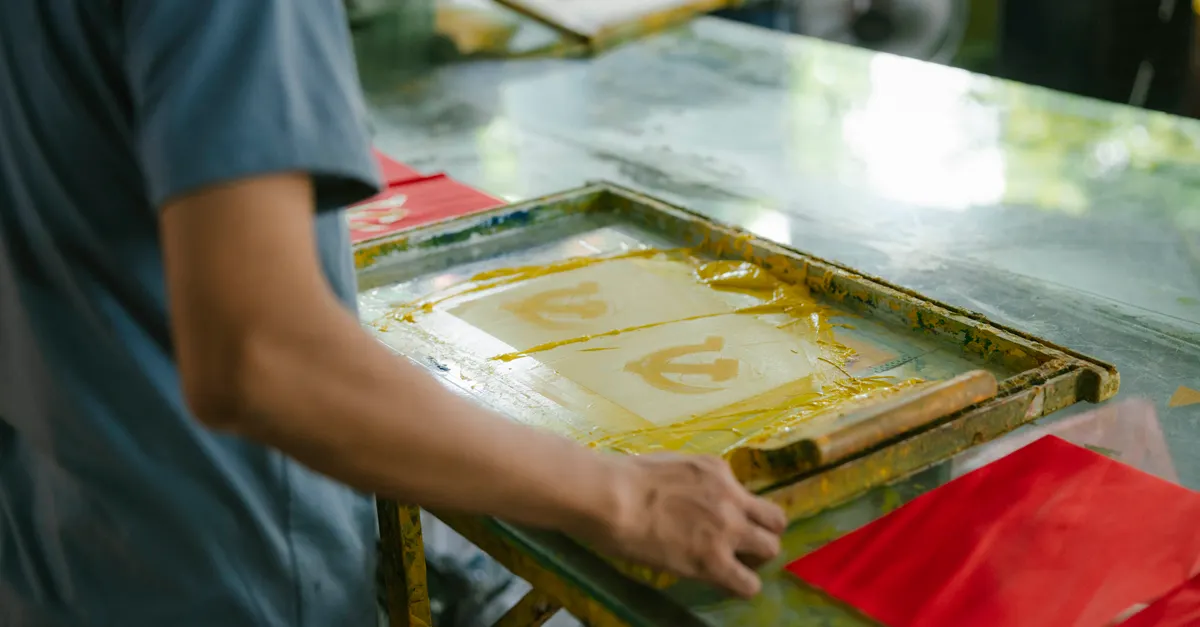
Secure the shirt on your platen, ensuring it’s flat and wrinkle-free. Position the screen over the desired print area. Pour the high-density ink or puff additive onto the screen.
3. Applying the Ink
Using a firm squeegee, flood the screen with ink, then make several passes to deposit a thick layer. The number of passes and pressure will affect the final height and clarity of the print. For especially raised effects, you may need to print and flash-cure in layers.
4. Curing and Expanding the Print
Once the ink is applied, cure the shirt using a heat press or conveyor dryer. The heat causes the ink to expand, creating the signature 3D effect. Follow the manufacturer’s recommended temperature and time settings—typically around 320°F (160°C) for 1–2 minutes. Over-curing can flatten the texture, while under-curing may result in poor durability.

5. Quality Control and Finishing
After curing, inspect the shirt for evenness, sharp edges, and proper adhesion. Test the print’s durability by gently stretching the fabric. If the ink cracks or peels, adjust your curing process or ink formulation for future runs.
Tips for Consistent High-Density Results
- Use fresh, high-quality inks to ensure optimal expansion and adhesion.
- Maintain clean screens to avoid clogs and uneven ink distribution.
- Test on scrap fabric before running a full batch to fine-tune your technique.
- Monitor curing temperature closely, as overheating can flatten the raised effect.
- Store finished shirts flat until completely cooled to preserve the 3D texture.
Comparing High-Density Printing to Other Methods
While high-density screen printing is the most common approach for raised effects, other methods like puff printing, silicone inks, and digital 3D printing are gaining traction. Each technique offers unique advantages:
- Puff printing uses a chemical additive that expands under heat, resulting in a soft, spongy texture.
- Silicone inks provide a flexible, rubbery feel and excellent durability, making them suitable for performance wear.
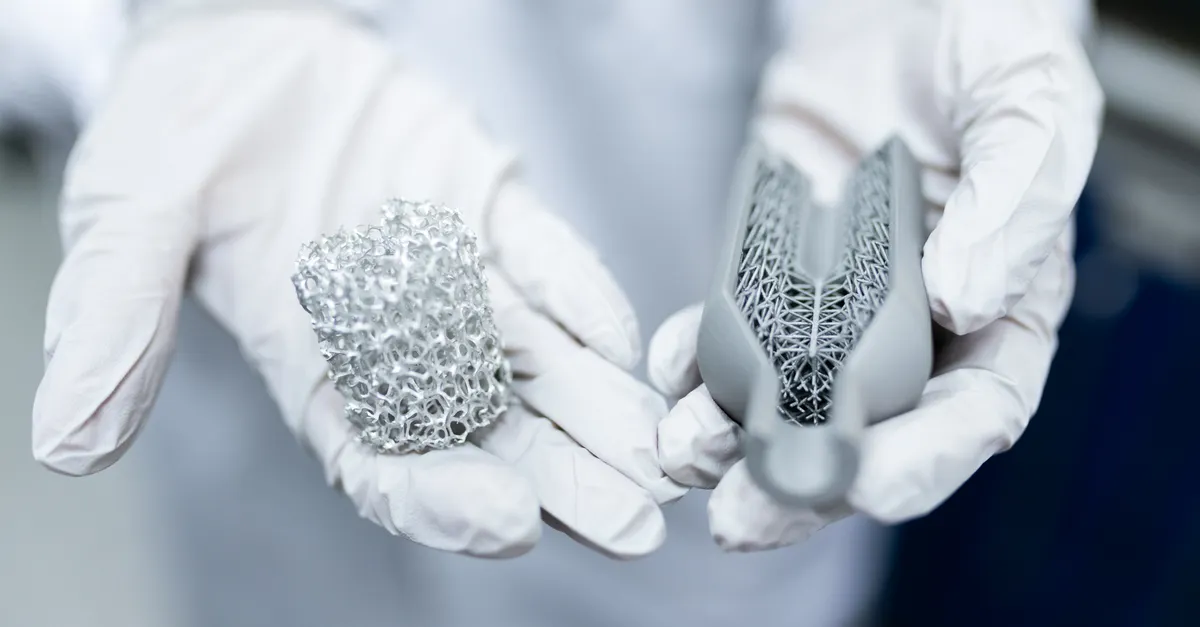
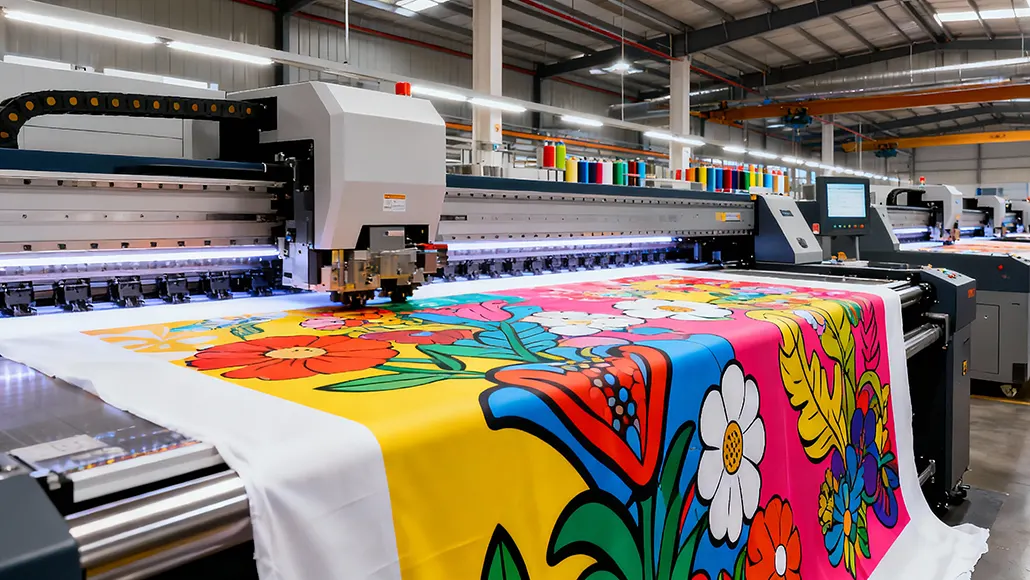
- Digital 3D printing allows for intricate, multi-color raised designs but requires specialized equipment and inks.
For a comprehensive overview of digital textile printing and its applications, see this complete guide to digital fabric printing.
Common Challenges and How to Overcome Them
Achieving consistent, professional-quality 3D prints can be challenging, especially for beginners. Here are some common issues and solutions:
- Ink bleeding or spreading: Use the correct mesh count and avoid over-flooding the screen.
- Poor adhesion: Ensure the fabric is clean and pre-treated if necessary. Use inks compatible with your fabric type.
- Uneven texture: Apply even pressure with the squeegee and maintain consistent curing conditions.
- Cracking or peeling: Allow the ink to cure fully and avoid excessive stretching during handling.
Expanding Your Skills in 3D Textile Printing
Once you’ve mastered the basics, experiment with layering techniques, color gradients, and combining high-density effects with other print styles. You can also explore advanced topics like printing on unconventional materials—see how to print on cork and non-traditional materials for inspiration.
For those interested in setting up their own workspace, check out how to set up a small scale fashion printing studio for practical advice on equipment and workflow optimization.
Frequently Asked Questions
What fabrics work best for high-density 3D shirt printing?
Natural fibers like cotton and cotton blends are ideal because they absorb ink well and provide a stable base for raised effects. Synthetic fabrics can also be used, but may require special inks or pre-treatment for optimal results.
Can I use digital printing for raised 3D effects?
While traditional screen printing is most common, some advanced digital printers can produce raised textures using specialized inks and layering techniques. However, these machines are typically more expensive and require specific software and materials.
How do I maintain shirts with high-density prints?
Wash garments inside out in cold water and avoid harsh detergents or bleach. Air drying is preferable, but if using a dryer, use a low-heat setting. Avoid ironing directly on the print to preserve the raised texture.
Conclusion
Producing high-density 3D effects on shirts is a rewarding way to elevate your apparel designs and offer customers something truly unique. By following the steps outlined above and paying close attention to materials, technique, and curing, you can achieve durable, eye-catching results. As the textile printing industry evolves, staying informed about new methods and materials will help you stay ahead of trends and deliver exceptional products. For more on the intersection of technology and fashion, explore topics like how to use digital printing for fashion trend forecasting and the benefits of localized printing for global brands.