Launching a new fashion label comes with a unique set of challenges, from managing costs to standing out in a crowded market. One innovation that has transformed the way emerging brands approach production is on-demand fabric printing. This technology allows designers to print custom patterns, colors, and graphics on textiles only as needed, eliminating the need for large inventories and reducing waste. For startups, this approach offers a flexible, sustainable, and cost-effective path to market.
In this article, we’ll explore how digital textile printing empowers new fashion businesses, highlighting its advantages in terms of agility, sustainability, and creative freedom. For those interested in the broader landscape of textile innovation, you may also want to read about what is the future of smart textiles and printing for additional insights into advanced printing technologies.
How On-Demand Textile Printing Works
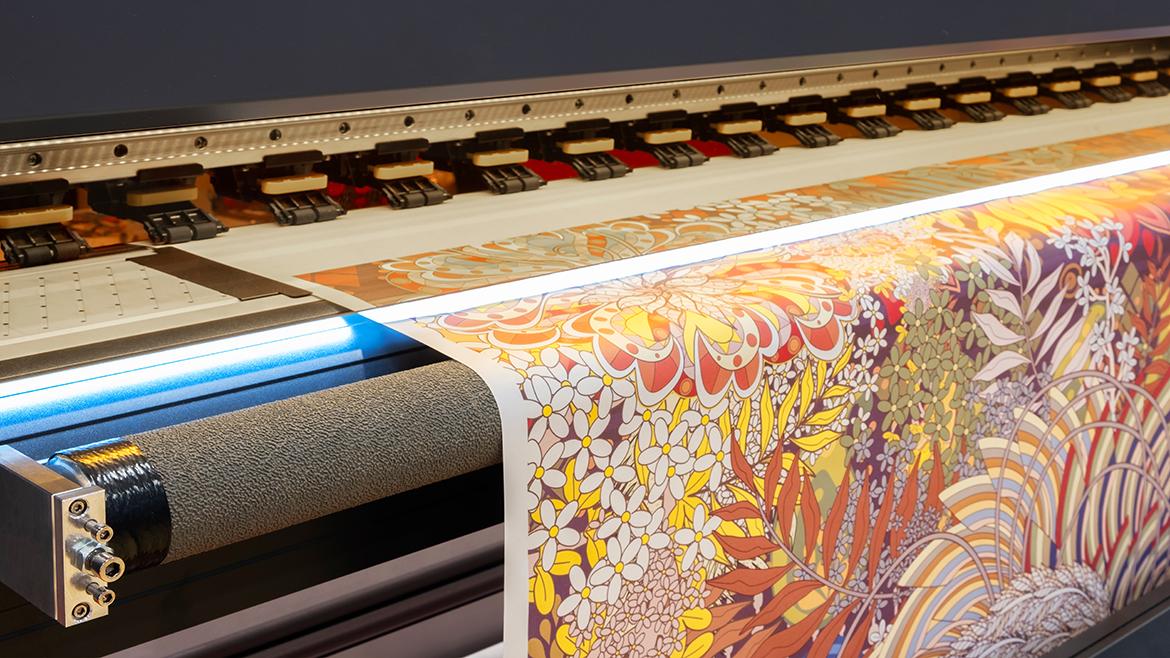
At its core, on-demand fabric printing uses digital technology to apply designs directly onto textiles. Unlike traditional methods that require screens or plates, digital printing enables short runs and fast turnaround. Designers upload their artwork, select fabrics, and print only what is needed, whether it’s a single meter for a prototype or a small batch for a limited collection.
This process is particularly appealing for new brands, as it removes the high upfront costs and minimum order requirements often associated with conventional manufacturing. For a deeper dive into the technology, this guide to digital textile printing provides a comprehensive overview of the process and its applications.

Cost Savings and Reduced Financial Risk
One of the most significant benefits of on-demand fabric printing for startups is the ability to control costs. Traditional textile production often requires large minimum orders, tying up capital in unsold inventory. Digital printing, by contrast, allows for small runs and even one-off pieces, so brands can test designs without committing to large quantities.
- No large inventory: Print only what you need, when you need it.
- Lower upfront investment: Avoid the financial burden of bulk orders and warehousing.
- Market testing: Experiment with new designs and colorways with minimal risk.
For startups, this flexibility means resources can be allocated to other critical areas such as marketing, branding, or product development, rather than being locked up in stock that may or may not sell.
Agility and Fast Turnaround for New Brands
Speed to market is crucial in the fast-moving fashion industry. On-demand textile printing enables rapid prototyping and quick response to trends. Startups can move from concept to finished product in days rather than weeks or months, allowing them to keep pace with consumer demand and seasonal changes.
This agility is especially valuable for brands that want to capitalize on micro-trends or offer personalized products. With digital printing, it’s possible to launch capsule collections, limited editions, or even custom pieces for individual customers, all without the delays of traditional manufacturing.

Sustainability and Waste Reduction
Sustainability is increasingly important to consumers and brands alike. By producing only what is needed, on-demand printing minimizes fabric waste and reduces the environmental footprint of fashion production. There’s no need to dispose of unsold stock, and the digital process typically uses less water and fewer chemicals than traditional dyeing and printing methods.
For startups looking to build an eco-friendly reputation, this approach aligns with values of responsible consumption and ethical production. It also appeals to customers who are seeking brands that prioritize sustainability.
Creative Freedom and Customization
Another key advantage of digital textile printing is the creative flexibility it offers. Designers can experiment with intricate patterns, vibrant colors, and photographic imagery that would be difficult or expensive to achieve with screen printing. There are virtually no limits on the number of colors or the complexity of the design.
This opens up opportunities for personalization and unique product offerings. Startups can collaborate with artists, offer made-to-order prints, or respond quickly to customer feedback by updating designs in real time. For those interested in exploring other innovative materials, our article on how to print on cork and non-traditional materials provides further inspiration.
Scaling Up: From Small Runs to Growth
As a fashion business grows, the ability to scale production is essential. On-demand printing makes it easy to increase output without major changes to infrastructure. Startups can begin with small batches and gradually ramp up as demand increases, all while maintaining quality and consistency.
This scalability is a major advantage for brands that want to test new markets, expand product lines, or collaborate with other designers. The flexibility of digital printing supports both small, bespoke projects and larger, more commercial collections.
Integrating On-Demand Printing Into Your Fashion Startup
Getting started with digital textile printing is more accessible than ever. Many service providers offer online platforms where designers can upload artwork, select fabrics, and place orders with minimal setup. Some startups choose to invest in their own equipment, while others partner with local or global print houses.
For those considering setting up their own studio, our practical guide on how to set up a small scale fashion printing studio outlines the steps and considerations involved.
It’s also worth noting that on-demand printing can be combined with other innovative strategies, such as localized production or trend forecasting, to further enhance a brand’s competitiveness. For more on these topics, see our articles on benefits of localized printing for global brands and how to use digital printing for fashion trend forecasting.
Frequently Asked Questions
What types of fabrics can be used with digital on-demand printing?
Most digital printing services support a wide range of textiles, including cotton, silk, polyester, linen, and blends. The choice of fabric may affect the vibrancy and durability of the print, so it’s important to consult with your provider about the best options for your designs.
Is on-demand printing more expensive per unit than traditional methods?
While the per-unit cost of digital printing may be slightly higher for very large runs, the overall savings from reduced inventory, lower setup costs, and minimized waste often make it more economical for startups and small batches.
Can I use on-demand printing for personalized or limited edition products?
Absolutely. One of the biggest advantages of this approach is the ability to produce unique, customized, or limited edition items without extra setup costs or delays. This is ideal for brands looking to offer exclusive or personalized products to their customers.
Conclusion
For emerging fashion brands, on-demand fabric printing delivers a powerful combination of cost control, agility, sustainability, and creative freedom. By leveraging digital technology, startups can bring their ideas to life quickly and efficiently, respond to market trends, and build a business model that is both flexible and future-ready. As the fashion industry continues to evolve, embracing these innovative production methods can help new brands thrive in a competitive landscape.