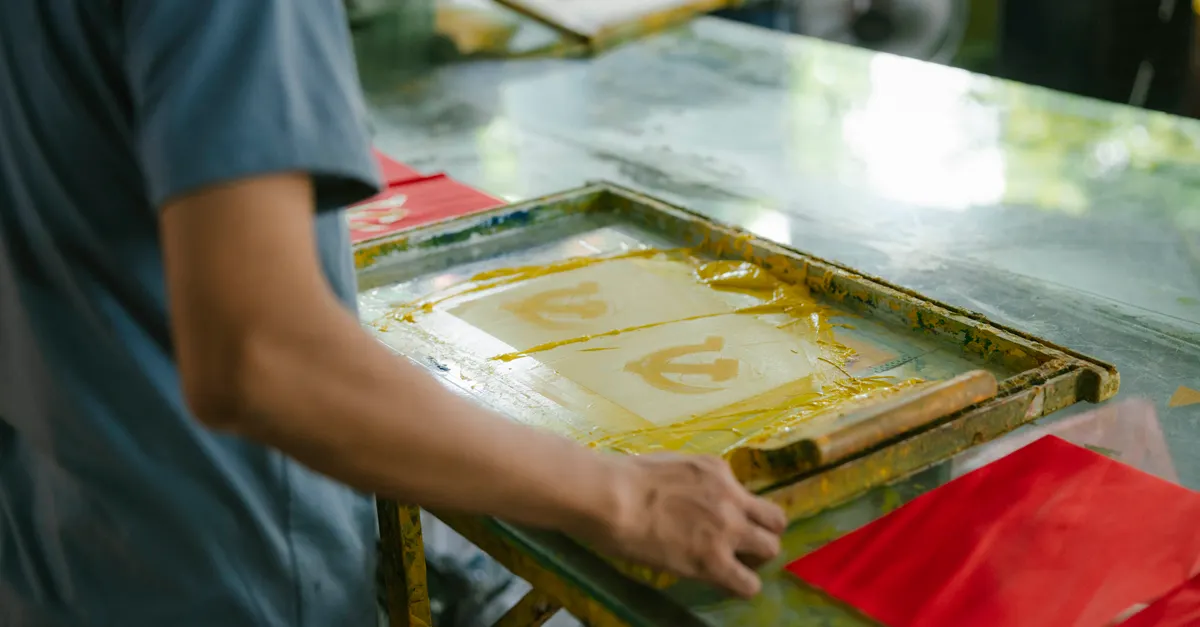
Ensuring the safety of materials that come into direct contact with food is a critical concern for manufacturers, retailers, and consumers alike. Food-safe packaging material safety involves a complex set of standards, regulations, and best practices designed to protect public health, preserve food quality, and maintain consumer trust. Understanding what makes packaging safe for food, how materials are tested, and which regulations apply can help businesses make informed choices and consumers feel confident about the products they use every day.
As the food industry evolves, so do the materials and technologies used to package everything from fresh produce to ready-to-eat meals. Whether you are a business owner, a packaging designer, or simply someone interested in the science behind your groceries, this guide will break down the essentials of safe food packaging and highlight the key factors to consider. For those curious about related innovations in material science, you might also find value in exploring what is the future of smart textiles and printing, which touches on advancements that impact packaging and beyond.
What Makes a Packaging Material Food-Safe?
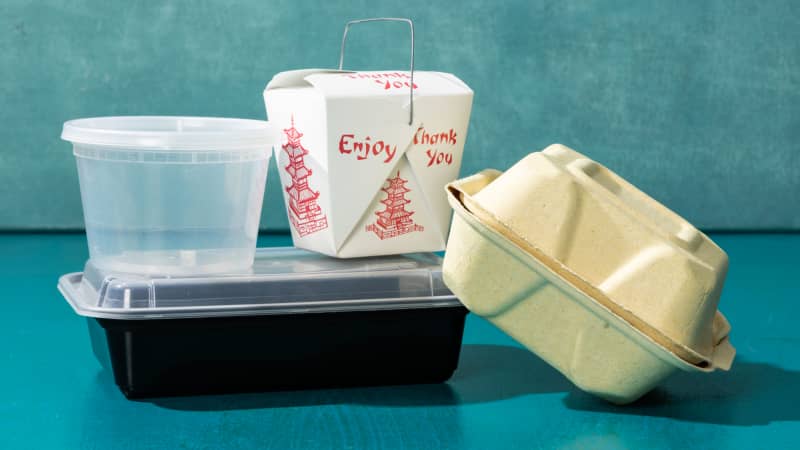
At its core, a food-safe packaging material is one that does not transfer harmful substances to food under normal conditions of use. This means the material must be chemically stable, non-toxic, and resistant to physical and environmental stressors such as heat, moisture, and acidity. The most common types of food-safe packaging include:
- Plastics (like PET, HDPE, LDPE, and PP) that are specifically formulated for food contact
- Glass, which is inert and does not react with food
- Metals such as aluminum and tinplate, often coated to prevent corrosion
- Papers and boards treated to resist grease and moisture
Each material must be evaluated for its intended use. For example, packaging for acidic foods may require different materials or coatings than packaging for dry snacks. Migration testing is performed to ensure that no dangerous chemicals leach from the packaging into the food.
Key Regulations Governing Food Packaging Safety
Regulatory oversight is a cornerstone of food-safe packaging material safety. In the United States, the Food and Drug Administration (FDA) is the primary authority responsible for ensuring that materials used in food packaging are safe and compliant. The FDA maintains a comprehensive list of substances that are permitted for use in food contact applications, along with specific conditions and limitations.
For more detailed information, the FDA provides extensive resources on food ingredients and packaging regulations. In addition to federal guidelines, some states and countries have their own requirements, especially regarding chemicals of concern such as bisphenol A (BPA) or certain phthalates.
Key regulatory concepts include:
- Generally Recognized as Safe (GRAS): Substances that are widely accepted as safe for use in food packaging
- Food Contact Notifications (FCNs): Pre-market notifications submitted to the FDA for new food contact substances
- Good Manufacturing Practices (GMPs): Standards for the production and handling of food packaging materials
Internationally, the European Union, Canada, Japan, and other regions have their own frameworks, often harmonized with or stricter than U.S. standards.
Testing and Certification for Food Contact Materials
Before a packaging material can be marketed as food-safe, it must undergo rigorous testing. These assessments are designed to evaluate both the chemical and physical properties of the material, ensuring it will not compromise food safety or quality. Common tests include:
- Migration testing: Measures the transfer of substances from packaging into food simulants under various conditions
- Mechanical and barrier property testing: Assesses strength, flexibility, and resistance to moisture, oxygen, and light
- Microbial testing: Ensures materials do not harbor or promote the growth of harmful microorganisms
Certification bodies, such as NSF International or the Institute of Packaging Professionals (IoPP), may offer third-party verification for compliance with recognized standards. This provides additional assurance for manufacturers and consumers alike.

Common Risks and How to Avoid Them
Despite strict regulations, there are still risks associated with food packaging. Some of the most common concerns include:
- Chemical migration: The transfer of potentially harmful substances, such as plasticizers, adhesives, or inks, into food
- Allergen contamination: Packaging materials processed in facilities that also handle allergens may pose a risk
- Physical hazards: Fragments of packaging material breaking off and contaminating food
To minimize these risks, manufacturers should:
- Source materials from reputable suppliers with documented safety records
- Implement robust quality control and traceability systems
- Stay updated on regulatory changes and emerging scientific findings
Trends and Innovations in Safe Food Packaging
The field of food-safe packaging material safety is constantly evolving. Recent trends include the development of biodegradable and compostable materials, the use of plant-based plastics, and the incorporation of smart packaging technologies that monitor freshness or detect contamination. These innovations aim to enhance safety while also addressing environmental concerns.
Advancements in printing technologies, such as digital and functional inks, are also shaping the future of packaging. If you’re interested in how these technologies intersect with packaging, you may want to read about how to print on cork and non-traditional materials, which highlights the challenges and solutions for printing on unique substrates used in food packaging.
Best Practices for Businesses and Consumers
For businesses, ensuring the safety of packaging materials means more than just compliance. It requires a proactive approach to sourcing, testing, and continuous improvement. Some best practices include:
- Regularly auditing suppliers and requesting up-to-date safety documentation
- Training staff on proper handling and storage of packaging materials
- Clearly labeling packaging to indicate food-safe status and any usage limitations
Consumers can also play a role by:
- Checking for food-safe symbols or certifications on packaging
- Avoiding the reuse of single-use packaging for other food storage
- Staying informed about recalls or safety advisories related to food packaging
Frequently Asked Questions
How can I tell if a packaging material is safe for food?
Look for symbols such as the glass and fork, or certifications indicating compliance with FDA or EU food contact regulations. Packaging should also include clear labeling about its intended use, such as “microwave safe” or “freezer safe.”
Are biodegradable or compostable packaging materials always food-safe?
Not necessarily. While many eco-friendly materials are designed for food contact, they must still meet the same safety standards as traditional materials. Always check for relevant certifications and regulatory compliance before using them with food.
What should businesses do if a supplier cannot provide documentation on packaging safety?
It is essential to request and verify safety documentation, such as migration test reports or compliance certificates. If a supplier cannot provide this information, consider sourcing from another vendor to ensure the safety and legality of your food packaging.