3D printing and Industry 4.0 are reshaping the landscape of modern manufacturing. By merging additive manufacturing with advanced digital technologies, businesses are unlocking new levels of efficiency, flexibility, and innovation. This transformation is not just about automating production lines—it’s about creating intelligent, connected systems that can adapt, learn, and optimize in real time.
The convergence of these technologies is enabling manufacturers to move beyond traditional mass production. Instead, they can now offer customized products, reduce waste, and respond quickly to market changes. As factories become smarter, the integration of 3D printing with digital networks and data analytics is setting the stage for a new era of industrial productivity.
For those interested in related innovations, you may want to explore what is the future of smart textiles and printing for insights into how digital manufacturing is influencing other sectors.
The Evolution of Manufacturing: From Automation to Intelligence
Manufacturing has always been at the forefront of technological change. The first industrial revolution brought mechanization, followed by mass production and automation in the 20th century. Today, Industry 4.0 represents the fourth major shift, characterized by the integration of cyber-physical systems, the Internet of Things (IoT), and advanced analytics.
Within this framework, additive manufacturing—commonly known as 3D printing—plays a pivotal role. Unlike traditional subtractive methods, 3D printing builds objects layer by layer from digital models. This approach not only reduces material waste but also enables rapid prototyping and on-demand production.
The synergy between 3D printing and smart manufacturing technologies allows for:
- Real-time monitoring and control of production processes
- Seamless data exchange between machines and systems
- Greater customization and flexibility in product design
- Shorter lead times and reduced inventory costs
Key Technologies Driving Smart Manufacturing Integration
The integration of 3D printing and Industry 4.0 relies on several core technologies that work together to create intelligent manufacturing environments:
- IoT-Enabled Devices: Sensors and connected equipment collect and transmit data throughout the production process, enabling predictive maintenance and real-time optimization.
- Cloud Computing: Centralized data storage and processing allow for scalable, remote management of manufacturing operations.
- Artificial Intelligence (AI) and Machine Learning: These tools analyze large datasets to identify patterns, predict outcomes, and automate decision-making.
- Digital Twins: Virtual replicas of physical assets help manufacturers simulate, monitor, and improve production systems.
- Advanced Robotics: Collaborative robots (cobots) work alongside humans to handle complex or repetitive tasks, increasing efficiency and safety.
Benefits of Combining Additive Manufacturing with Digital Factories
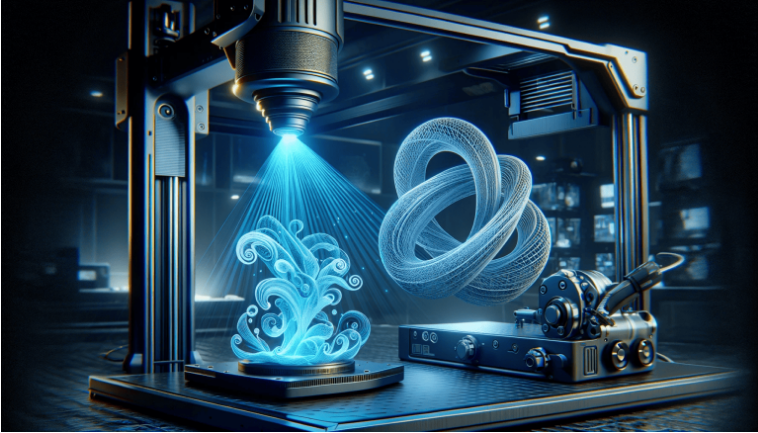
Bringing together 3D printing and smart manufacturing systems delivers a range of advantages for businesses of all sizes. Some of the most significant benefits include:
- Customization at Scale: Manufacturers can produce unique or highly customized products without the need for expensive retooling.
- Reduced Time to Market: Rapid prototyping and agile production processes enable faster product development cycles.
- Lower Material Waste: Additive processes only use the material required, supporting sustainability goals and reducing costs.
- Improved Supply Chain Resilience: On-demand production and distributed manufacturing models help mitigate disruptions.
- Enhanced Data-Driven Decision Making: Real-time analytics support continuous improvement and quality control.
For a deeper understanding of how digital printing is influencing other creative industries, see how to use digital printing for fashion trend forecasting.
Challenges in Implementing Smart Additive Manufacturing
While the integration of 3D printing with Industry 4.0 technologies offers substantial opportunities, it also presents several challenges:
- High Initial Investment: Upgrading legacy systems and training staff can require significant capital.
- Data Security and Privacy: Increased connectivity raises concerns about protecting sensitive manufacturing data.
- Standardization: The lack of universal standards for data formats and communication protocols can hinder interoperability.
- Skill Gaps: The workforce must adapt to new roles that blend engineering, IT, and data science.
- Quality Assurance: Ensuring consistent quality in additive manufacturing processes remains a technical challenge.
Despite these hurdles, many organizations are finding that the long-term benefits outweigh the initial obstacles, especially as technology matures and becomes more accessible.
Real-World Applications and Industry Examples
The practical applications of smart additive manufacturing are already visible across multiple sectors:
- Automotive: Companies use 3D printing for rapid prototyping, lightweight component production, and even end-use parts.
- Aerospace: Complex geometries and lightweight structures are manufactured with high precision, reducing fuel consumption and costs.
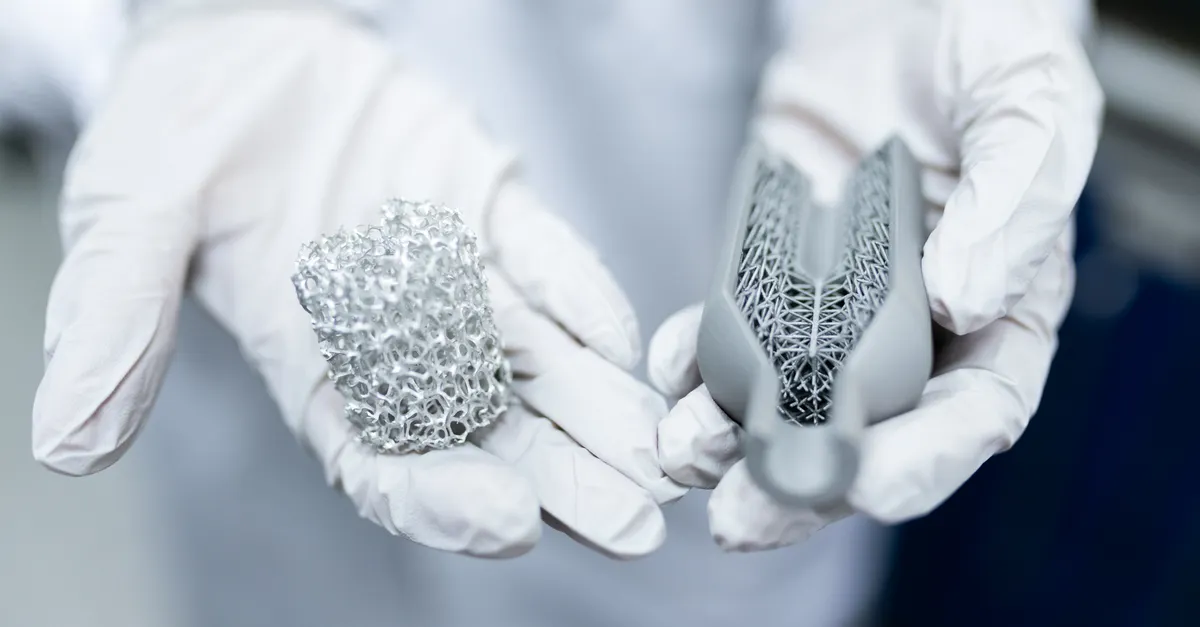
- Healthcare: Customized implants, prosthetics, and surgical tools are produced quickly and tailored to individual patients.
- Consumer Goods: Personalized products, from footwear to eyewear, are created on demand.
- Construction: Large-scale 3D printers are building homes and infrastructure with reduced labor and material waste.
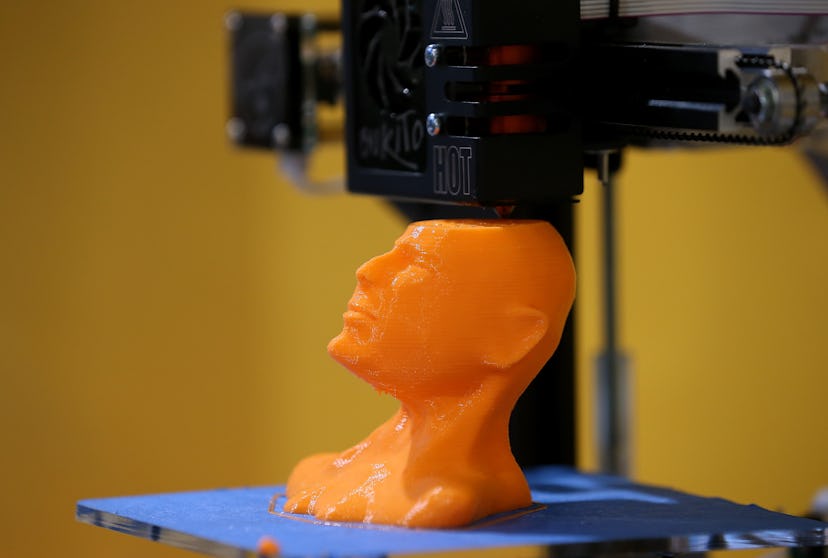
To understand the mechanics behind these innovations, the U.S. Department of Energy explains how 3D printers work in detail.
Future Outlook: The Next Phase of Digital Manufacturing
As 3D printing and Industry 4.0 continue to evolve, the future of manufacturing looks increasingly digital, decentralized, and sustainable. Emerging trends include:
- Distributed Manufacturing: Production is shifting closer to the point of use, reducing logistics costs and environmental impact.
- Mass Customization: Advances in software and hardware are making it easier to produce unique products at scale.
- Integration with Other Smart Technologies: Additive manufacturing is being combined with robotics, AI, and advanced materials for even greater capabilities.
- Greater Sustainability: Efficient use of resources and localized production support circular economy principles.
For global brands, the benefits of localized printing for global brands are becoming more apparent as supply chains adapt to new realities.
FAQ
How does 3D printing fit into the concept of Industry 4.0?
3D printing is a key enabler of smart manufacturing by allowing for flexible, on-demand production and seamless integration with digital systems. When combined with IoT, AI, and cloud computing, additive manufacturing supports real-time monitoring, rapid prototyping, and mass customization—all hallmarks of Industry 4.0.
What are the main challenges companies face when adopting smart additive manufacturing?
Organizations often encounter high upfront costs, the need for workforce training, data security concerns, and the challenge of integrating new technologies with existing infrastructure. Overcoming these barriers requires strategic planning, investment in skills, and a willingness to embrace change.
Can small businesses benefit from integrating 3D printing with digital manufacturing technologies?
Yes, small and medium-sized enterprises can leverage smart additive manufacturing to increase agility, reduce costs, and offer customized products. Cloud-based solutions and affordable 3D printers are making these technologies more accessible, allowing smaller firms to compete with larger manufacturers.