When it comes to garment decoration, the decision of how to choose between plastisol and water-based inks is a crucial one for print shops, designers, and apparel brands. Each ink type offers unique benefits and limitations, impacting not only the final look and feel of the print but also production workflow, environmental impact, and customer satisfaction. Understanding the differences and evaluating your priorities will help you select the right ink for your specific needs.
Before diving into the technical details, it’s helpful to consider how this choice fits into the broader landscape of textile printing. For those interested in innovative approaches, exploring topics like what is the future of smart textiles and printing can provide valuable context on where the industry is heading.
Understanding Plastisol and Water-Based Inks
To make an informed decision, it’s essential to understand what sets these two ink types apart. Both are widely used in screen printing, but their composition, application, and results differ significantly.
Plastisol Inks: Durable and Versatile
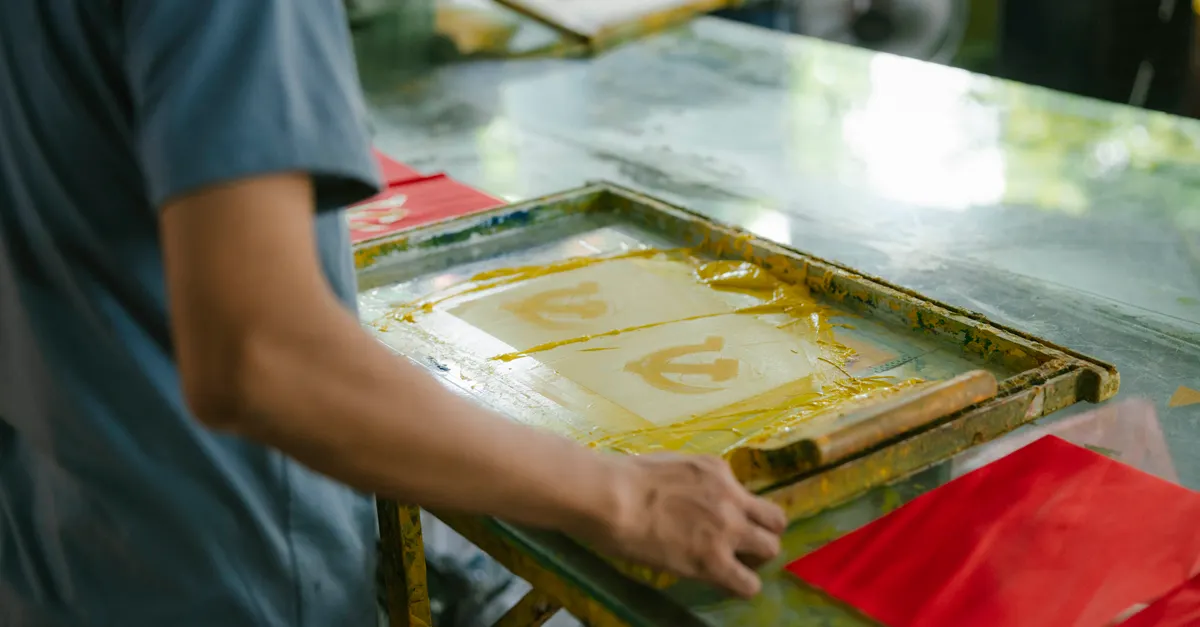
Plastisol inks are PVC-based and do not contain solvents or water. They remain in a liquid state until cured at high temperatures, typically around 320°F (160°C). This property makes them easy to work with, as they don’t dry out in the screen during long print runs. Plastisol is known for its:
- Vibrant, opaque colors that stand out on both light and dark garments
- Excellent durability and wash resistance
- Ability to print on a wide range of fabric types
- Compatibility with specialty effects like puff, metallic, and high-density prints
However, plastisol prints can sometimes feel heavy or rubbery, especially with thick applications. They also require proper curing to avoid washout or cracking.
Water-Based Inks: Soft Feel and Eco-Friendly Appeal
Water-based inks use water as their main solvent, allowing them to soak into the fabric fibers. This results in a softer, more breathable print, often described as having a “vintage” or “no-feel” finish. Key characteristics include:
- Soft hand feel that is comfortable to wear
- Ideal for light-colored, 100% cotton garments
- Lower environmental impact, especially with eco-certified formulations
- Ability to achieve subtle, tonal, or distressed effects
On the downside, water-based inks can be more challenging to work with. They dry quickly in the screen, require precise humidity and temperature control, and may not be as vibrant or opaque on dark fabrics without special additives.
Key Factors to Consider When Choosing Your Ink
With a basic understanding of each ink’s properties, let’s look at the most important factors to weigh when deciding which option is best for your project or business.
1. Fabric Type and Color
The type and color of the garment play a significant role in how to choose between plastisol and water-based inks. Plastisol is highly versatile and works well on both light and dark fabrics, including blends and synthetics. Water-based inks excel on light-colored, 100% cotton garments, but may require discharge additives or underbases for dark or blended materials.
2. Desired Print Feel and Appearance
If your priority is a soft, breathable print that feels like part of the fabric, water-based inks are the clear winner. For bold, vibrant graphics with maximum opacity, plastisol is often preferred. Consider the style and comfort expectations of your target audience.
3. Production Environment and Workflow
Plastisol inks are generally easier to handle in high-volume production settings. They don’t dry in the screen, offer a longer working time, and are forgiving for beginners. Water-based inks require more attention to screen cleanliness, humidity, and speed, making them better suited for experienced printers or shops with climate control.

4. Environmental and Health Considerations
Many brands and consumers are increasingly concerned about sustainability. Water-based inks, especially those with eco-certifications, are generally seen as more environmentally friendly due to lower VOC emissions and easier cleanup. Plastisol contains PVC and may require special disposal methods, though some manufacturers now offer phthalate-free and low-toxicity formulations.
5. Cost and Efficiency
Plastisol inks are typically more cost-effective for large runs, thanks to their ease of use and minimal waste. Water-based inks may require more setup time, careful screen maintenance, and sometimes higher ink consumption, which can increase costs for complex or high-volume jobs.
Comparing Results: Print Quality and Longevity
Both ink types can produce high-quality results when used correctly, but their strengths differ:
- Plastisol: Crisp, vibrant, and opaque prints with excellent durability and wash resistance.
- Water-Based: Soft, breathable prints that age gracefully, ideal for fashion-forward or vintage-inspired designs.
For specialty effects or unique substrates, such as printing on cork or non-traditional materials, it’s worth exploring resources like how to print on cork and non-traditional materials for more tailored advice.
When to Use Each Ink: Practical Scenarios
To help clarify the decision, here are some typical use cases for each ink type:
| Scenario | Best Ink Choice | Reason |
|---|---|---|
| Large-volume promotional tees | Plastisol | Fast production, vibrant colors, cost-effective |
| Eco-conscious fashion line | Water-Based | Soft feel, sustainable, modern look |
| Printing on dark polyester blends | Plastisol | Superior opacity, fabric compatibility |
| Soft, vintage-style prints on cotton | Water-Based | Breathable, subtle finish |
Tips for Making the Right Choice
Here are some practical guidelines to help you decide:
- Test both ink types on your chosen fabric before committing to a large run.
- Consider your shop’s equipment, climate, and staff experience.
- Discuss with your clients about their preferences for feel, appearance, and sustainability.
- Stay updated on new ink technologies, as both plastisol and water-based formulations continue to evolve.
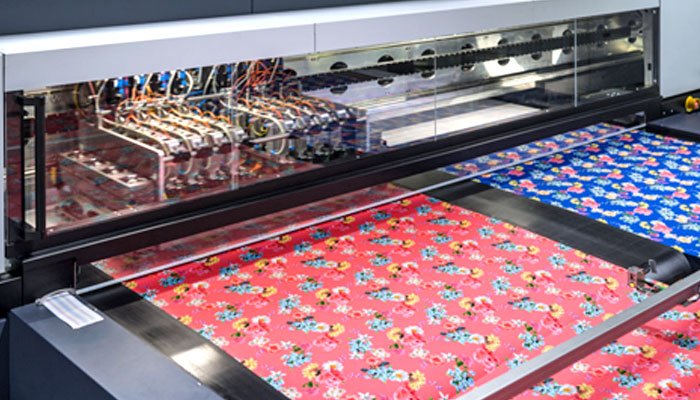
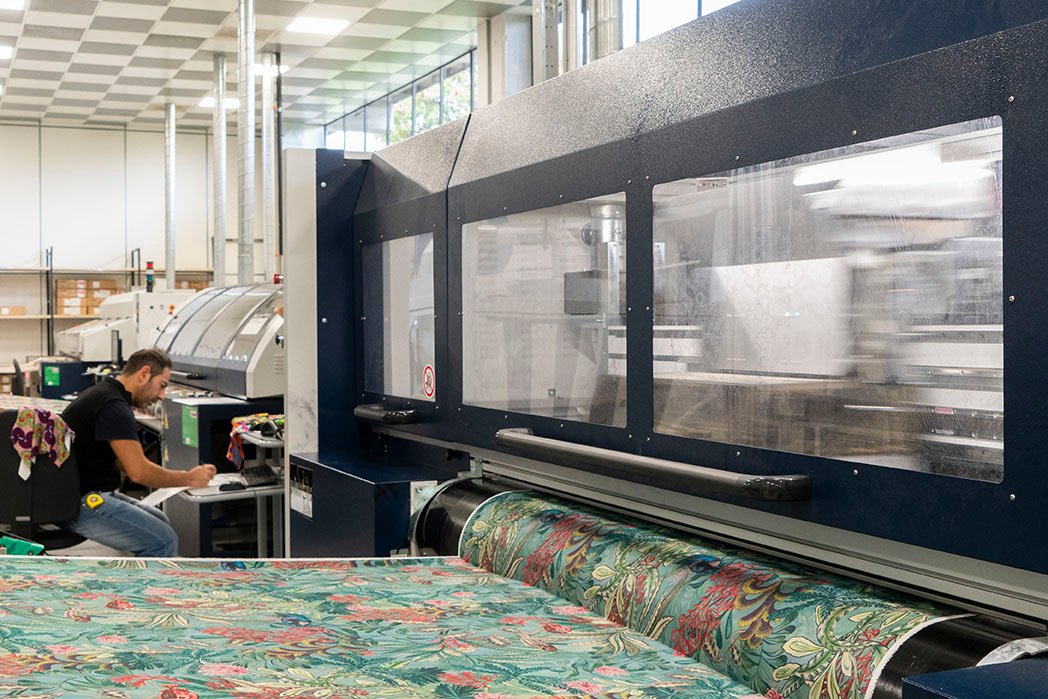
For those interested in digital alternatives or hybrid approaches, exploring digital textile printing solutions can offer additional flexibility and creative possibilities.
Frequently Asked Questions
Which ink is better for dark garments?
Plastisol inks are generally preferred for dark fabrics due to their high opacity and vibrant color reproduction. While water-based inks can be used on dark garments with discharge additives or underbases, the process is more complex and may not achieve the same level of brightness.
Are water-based inks always more eco-friendly?
Water-based inks are often considered more environmentally friendly because they contain fewer harmful chemicals and are easier to clean up. However, it’s important to check for certifications and review the full lifecycle of the ink, as some additives or pigments may still have environmental impacts.
Can I use both ink types in the same print shop?
Yes, many print shops use both plastisol and water-based inks depending on the project requirements. It’s important to have the right equipment and knowledge to handle each ink type effectively, as their workflows and cleanup procedures differ.
Conclusion
Choosing between plastisol and water-based printing inks depends on your priorities—whether it’s print durability, feel, environmental impact, or production efficiency. By understanding the strengths and limitations of each ink, and considering the specific needs of your project, you can achieve the best results for your clients and your business. As the textile printing industry continues to innovate, staying informed and adaptable will help you make the right choices for every job.