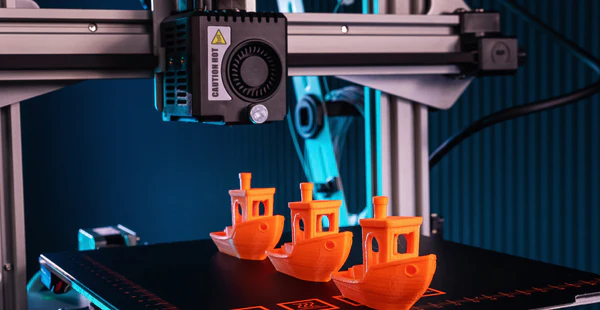
3D printing prosthetics have rapidly transformed the landscape of assistive devices, offering individuals access to tailored, cost-effective, and innovative solutions. As additive manufacturing technology becomes more accessible, people around the world are benefiting from prosthetic limbs and devices that are not only functional but also highly personalized. This article explores how these advancements are making a difference, the technology behind them, and what to consider when choosing or creating a prosthetic using 3D printing.
The intersection of healthcare and digital fabrication has opened new doors for those seeking alternatives to traditional prosthetic manufacturing. Unlike conventional methods, which can be expensive and time-consuming, 3D printed prosthetics allow for rapid prototyping, easy customization, and significant cost savings. For those interested in related innovations, the article on what is the future of smart textiles and printing provides further insight into how advanced printing is shaping the future of wearable technology.
How Additive Manufacturing is Revolutionizing Prosthetic Devices
The use of 3D printing prosthetics has brought about a paradigm shift in the way prosthetic limbs and assistive devices are designed and produced. Traditional prosthetics often require labor-intensive processes, specialized materials, and skilled technicians, resulting in high costs and long wait times. In contrast, additive manufacturing enables the creation of complex, lightweight structures using digital models, reducing both production time and expenses.
A key advantage of this approach is the ability to create highly customized devices. By scanning the residual limb, designers can generate a digital model that perfectly matches the user’s anatomy. This ensures a comfortable fit and better functionality, improving the user’s quality of life. Additionally, the digital nature of the process means that adjustments can be made quickly, and replacement parts can be produced on demand.
For those interested in exploring the technology further, companies like Formlabs offer advanced 3D printers capable of producing medical-grade prosthetic components with precision and reliability.
Benefits of Custom 3D Printed Prosthetics
The advantages of using 3D printing for prosthetic devices extend beyond cost and customization. Some of the most notable benefits include:
- Affordability: The cost of materials and production is significantly lower than traditional methods, making prosthetics accessible to a broader population, including those in low-resource settings.
- Personalization: Each device can be tailored to the individual’s needs, preferences, and lifestyle, from color and design to specific functional requirements.
- Rapid Production: Once a digital model is created, the device can be printed in a matter of hours or days, reducing wait times for users.
- Lightweight and Durable: Advanced polymers and composite materials used in 3D printing offer strength and durability while keeping the device lightweight.
- Easy Iteration: If adjustments are needed, modifications can be made to the digital file and a new version printed quickly, supporting ongoing improvements and comfort.
Materials and Technologies Used in Modern Prosthetic Fabrication
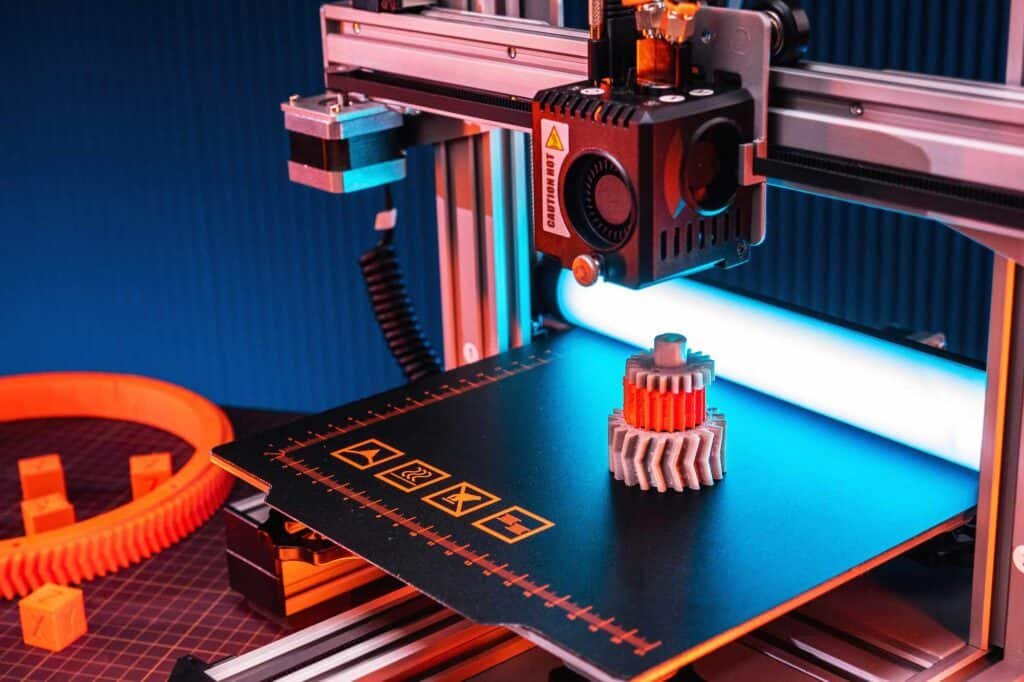
The success of 3D printed prosthetics relies heavily on the choice of materials and the type of printer used. Commonly used materials include PLA, ABS, PETG, and advanced resins, each offering unique properties such as flexibility, strength, or biocompatibility. The selection depends on the intended use of the prosthetic—whether it’s a cosmetic limb, a functional hand, or a durable socket.
There are several 3D printing technologies suitable for prosthetic fabrication:
- Fused Deposition Modeling (FDM): Popular for its affordability and ease of use, FDM is ideal for printing strong, lightweight parts such as sockets and limb covers.
- Stereolithography (SLA): This technology uses liquid resin cured by a laser, producing highly detailed and smooth components, suitable for intricate parts and cosmetic finishes.
- Selective Laser Sintering (SLS): SLS printers use powdered materials and a laser to create robust, flexible parts, making them suitable for joints and moving mechanisms.
The choice of technology and material will impact the prosthetic’s performance, comfort, and longevity. For those setting up a fabrication studio, resources like how to set up a small scale fashion printing studio can provide valuable guidance on equipment and workflow.
Challenges and Considerations When Choosing 3D Printed Prosthetics
While the benefits are substantial, there are important factors to consider before opting for a 3D printed prosthetic. Not all devices are suitable for every user or activity. For example, high-impact sports or heavy-duty tasks may require specialized materials or hybrid designs. Additionally, the fit and comfort of the device depend on accurate scanning and modeling, which may require professional assistance.
Another consideration is the regulatory environment. Medical devices, including prosthetics, are subject to safety and quality standards. Users and providers must ensure that devices meet local regulations and are produced using biocompatible, safe materials. Collaboration with healthcare professionals is essential to ensure the device supports the user’s health and mobility goals.
For those interested in the broader impact of digital fabrication, the article on benefits of localized printing for global brands highlights how decentralized production can improve access and sustainability in various industries.
Future Trends in Personalized Prosthetic Solutions
The future of prosthetic technology is closely tied to ongoing advancements in 3D printing. As printers become more precise and materials more advanced, the possibilities for customization and functionality will continue to expand. Innovations such as embedded sensors, smart materials, and even bio-printing of tissues are on the horizon, promising even greater integration with the human body.
Community-driven initiatives and open-source projects are also playing a vital role. Organizations and volunteers worldwide are sharing designs and collaborating to provide affordable prosthetic solutions to those in need, especially in underserved regions. This democratization of technology ensures that more people can benefit from the latest advancements, regardless of their location or financial means.
For those interested in how digital printing is influencing other fields, exploring how to use digital printing for fashion trend forecasting reveals parallels in customization and rapid prototyping.
Frequently Asked Questions
How much does a 3D printed prosthetic typically cost?
The price of a 3D printed prosthetic varies widely depending on complexity, materials, and region. However, they are generally much more affordable than traditional prosthetics, with some basic devices costing only a few hundred dollars in materials. More advanced or specialized devices may cost more, but the overall expense is still significantly reduced compared to conventional options.
Are 3D printed prosthetics as durable as traditional ones?
Durability depends on the materials and design used. Many 3D printed prosthetics are made from strong polymers or composite materials that can withstand daily use. For high-impact activities or long-term wear, it’s important to select appropriate materials and consult with professionals to ensure the device meets the required standards.
Can anyone design and print their own prosthetic device?
While the technology is becoming more accessible, designing and printing a prosthetic requires specialized knowledge of anatomy, biomechanics, and materials. It’s recommended to work with healthcare providers, prosthetists, or experienced designers to ensure a safe and effective outcome. Open-source communities and online resources can also provide guidance and support for those interested in learning more.
3D printing prosthetics are reshaping the world of assistive devices, making them more accessible, customizable, and affordable than ever before. As technology continues to evolve, the potential for even greater innovation and impact is immense, offering hope and improved quality of life to millions worldwide.