Digital direct to silk printing is transforming the world of luxury textiles, offering designers and manufacturers a way to achieve vibrant, detailed, and durable prints on one of the most delicate and prized fabrics—silk. This advanced technique bypasses many of the limitations of traditional printing, opening up new creative and commercial possibilities for fashion, interior design, and art. In this article, we’ll explore how this technology works, its advantages, and why it’s becoming the preferred choice for premium silk products.
As the textile industry evolves, many are interested in the future of smart textiles and advanced printing. For those curious about how these innovations are shaping the sector, you can learn more by reading what is the future of smart textiles and printing.
Understanding the Digital Direct to Silk Printing Process
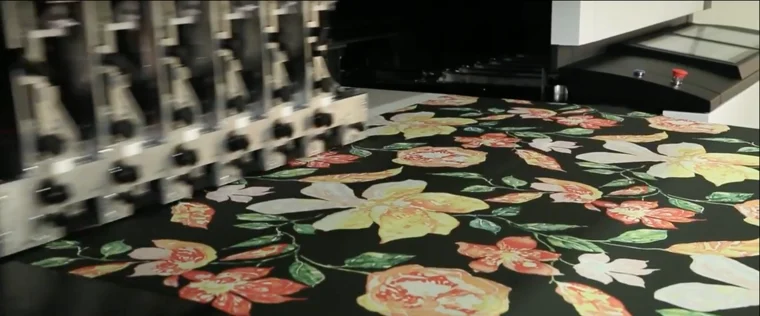
At its core, digital direct to silk printing is a method where digital images are printed directly onto silk fabric using specialized inkjet printers. Unlike older techniques that require screens or plates, this process is entirely digital, allowing for precise control over color, detail, and placement. The workflow typically involves:
- Preparing the silk fabric—often pre-treated to help the ink bond properly.
- Loading the digital design into the printer’s software.
- Printing the image directly onto the silk using water-based or reactive dyes.
- Fixing the print, usually through steaming or heat, to ensure colorfastness and durability.
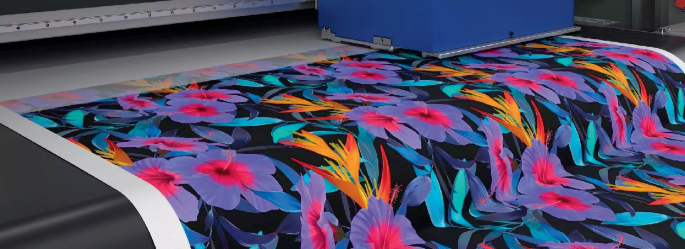
This approach offers unmatched flexibility, making it possible to produce short runs, custom pieces, and highly detailed artwork that would be difficult or impossible with analog methods.
Key Benefits of Digital Printing on Silk
Switching to digital direct methods for silk brings several significant advantages:
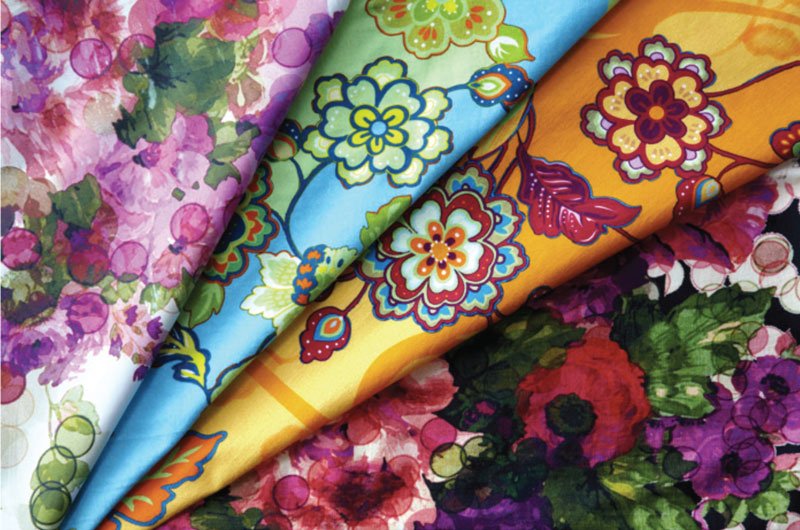
- Exceptional detail and color: Digital printers can reproduce intricate patterns, gradients, and photographic images with clarity and vibrancy.
- Customization: Each piece can be unique, enabling designers to offer personalized products or limited editions without extra setup costs.
- Eco-friendly production: Digital printing uses less water and energy compared to traditional dyeing and printing, and produces less waste.
- Faster turnaround: Designs can go from concept to finished fabric in days, not weeks, supporting rapid prototyping and on-demand manufacturing.
- Soft hand feel: The inks penetrate the silk fibers, preserving the fabric’s natural drape and luxurious texture.
These benefits are especially valuable for luxury brands, artists, and boutique manufacturers who prioritize quality, exclusivity, and sustainability.
How Digital Printing Differs from Traditional Silk Printing
Traditional silk printing methods, such as screen printing or rotary printing, involve creating physical screens or rollers for each color and design. While these techniques can produce beautiful results, they are often labor-intensive, costly for small runs, and limited in terms of color complexity.
In contrast, digital direct to silk printing eliminates the need for screens, making it ideal for intricate designs, photographic images, and frequent design changes. There is no minimum order quantity, which is a major advantage for designers who want to experiment or offer bespoke products.
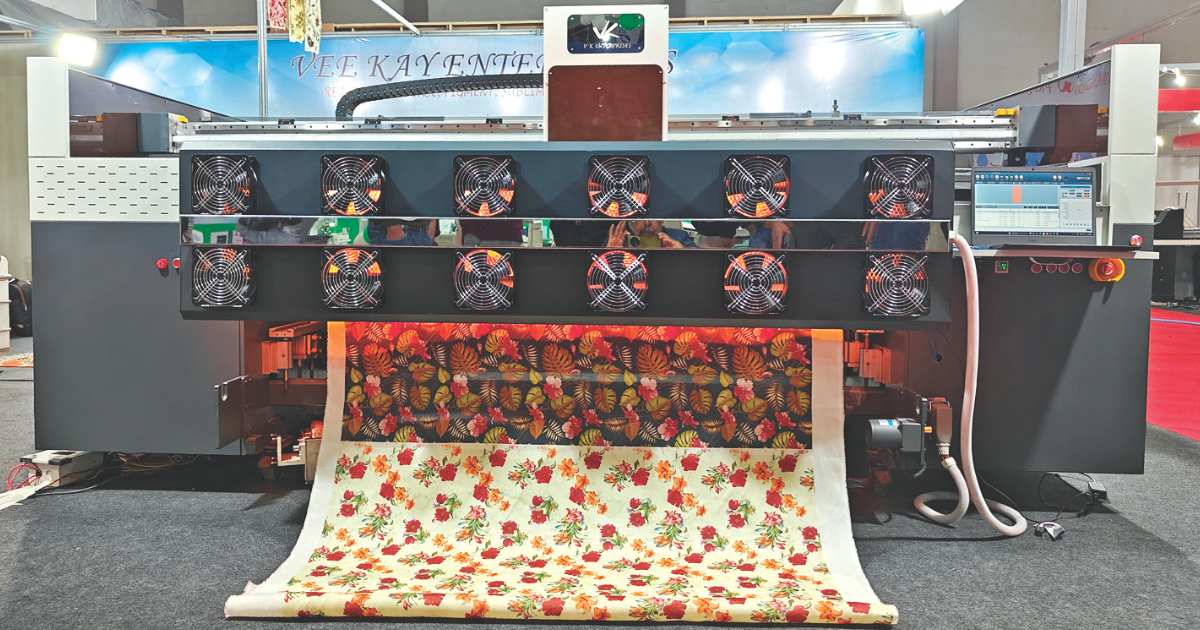
For a deeper dive into the basics of digital textile printing, you might find this comprehensive introduction to digital fabric printing helpful.
Applications in Fashion, Interiors, and Art
The versatility of this technology means it’s used across a range of sectors:
- Fashion: Designers use digital direct printing to create custom scarves, dresses, blouses, and accessories with bold, unique patterns.
- Home décor: Silk cushions, drapes, and wall hangings benefit from the ability to reproduce detailed artwork and vibrant colors.
- Fine art: Artists and photographers can translate their work onto silk, producing limited-edition prints that combine visual impact with tactile luxury.
Because the process is so adaptable, it’s also ideal for prototyping, small-batch production, and collaborative projects between artists and brands.
Choosing the Right Silk and Inks for Digital Printing
Not all silks are created equal when it comes to digital printing. The most commonly used varieties include:
- Silk charmeuse: Known for its sheen and drape, ideal for high-end apparel.
- Silk habotai: Lightweight and smooth, often used for scarves and linings.
- Silk organza: Sheer and crisp, perfect for overlays and decorative pieces.
Pre-treatment of the fabric is essential to ensure the ink bonds properly and colors remain vibrant after washing. The choice of ink—reactive, acid, or pigment—depends on the desired finish and the specific silk type. Reactive and acid dyes are most common for silk, as they offer deep penetration and excellent colorfastness.
Challenges and Considerations in Digital Silk Printing
While the advantages are clear, there are some technical and practical considerations to keep in mind:
- Fabric preparation: Silk must be clean, pre-treated, and tensioned correctly to avoid print defects.
- Color management: Achieving color accuracy on silk can be challenging due to its natural sheen and absorbency.
- Post-processing: Proper steaming, washing, and finishing are required to set the dyes and maintain the fabric’s feel.
- Cost: While setup costs are lower than traditional methods, high-quality inks and pre-treatment chemicals can be expensive.
Despite these challenges, advances in printer technology and fabric chemistry are making the process more accessible and reliable each year.
Integrating Digital Printing Into Your Workflow
For designers and businesses interested in adopting this technology, it’s important to consider the entire workflow—from design creation and file preparation to fabric sourcing and finishing. Many choose to partner with specialized print houses, while others invest in their own equipment for greater control and flexibility.
If you’re considering setting up your own studio, you may want to explore how to set up a small scale fashion printing studio for practical advice on equipment, space, and workflow optimization.
Frequently Asked Questions
Is digital direct printing safe for all types of silk?
Most types of silk can be digitally printed, but results vary depending on the weave, weight, and pre-treatment. It’s best to test on a small sample before committing to a large run.
How does digital silk printing compare in durability to traditional methods?
When properly fixed and finished, digitally printed silk is highly durable and colorfast. The inks penetrate the fibers, resulting in prints that withstand washing and wear, similar to or better than traditional techniques.
Can I print small quantities or custom designs using this method?
Yes, one of the main advantages is the ability to print small batches or even single pieces without extra setup costs. This makes it ideal for custom orders, prototypes, and limited editions.
Conclusion
Digital direct to silk printing is redefining what’s possible in luxury textiles. By combining precision, flexibility, and sustainability, it empowers designers and brands to create stunning, high-quality silk products with fewer limitations and greater creative freedom. As technology continues to advance, expect to see even more innovation and artistry in the world of digitally printed silk.