Polyester fabrics have become a staple in the world of sportswear, uniforms, and promotional apparel due to their durability and vibrant color retention. However, printing on polyester presents unique challenges, especially when it comes to maintaining crisp, bright designs. One of the most persistent issues is dye migration, where the dyes from the polyester fabric bleed into the printed design, causing unwanted color shifts and dullness. This is where sub-blocker ink for polyester prints comes into play, offering a solution to keep prints sharp and colors true.
Understanding how these specialized inks work, why they are necessary, and how they fit into the broader landscape of textile printing is essential for anyone involved in garment decoration or textile manufacturing. For those interested in the evolving landscape of textile technology, exploring what is the future of smart textiles and printing can provide additional insights into advanced printing solutions.
Understanding Dye Migration in Polyester Printing
Before diving into the specifics of anti-migration ink for polyester, it’s important to grasp why dye migration occurs in the first place. Polyester fabrics are typically colored using disperse dyes, which are heat-activated. During the heat curing process of screen printing or heat transfer, these dyes can become mobile and migrate upward into the ink layer. This leads to the printed colors becoming contaminated, often resulting in a pinkish or grayish hue, especially when printing light colors over dark polyester garments.
This phenomenon is particularly problematic for athletic wear, team uniforms, and branded apparel where color accuracy and vibrancy are crucial. Without proper ink technology, even the most carefully crafted designs can lose their intended impact.
How Sub-Blocker Inks Prevent Dye Migration
Sub-blocker ink for polyester prints is specifically engineered to act as a barrier between the polyester fabric and the top ink layers. These inks contain special blocking agents—often titanium dioxide or similar compounds—that create an opaque, non-permeable layer. This layer effectively “blocks” the migration of dyes from the fabric into the print, preserving the clarity and brightness of the design.
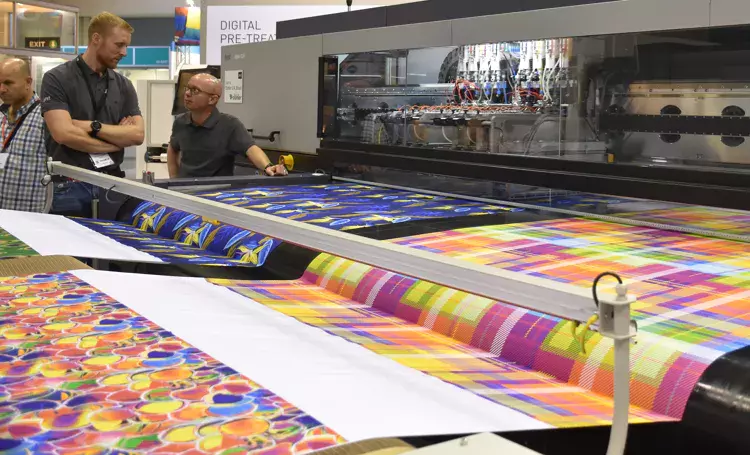
Typically, the process involves printing a base layer of sub-blocker ink directly onto the polyester garment, followed by the desired color inks. This approach is especially important when printing light or white colors on dark polyester, as these are most susceptible to dye migration. The result is a print that remains vibrant and true to its original color, even after repeated washes and exposure to heat.
Key Benefits of Using Anti-Migration Inks
There are several advantages to incorporating anti-migration ink for polyester into your printing workflow:
- Color Accuracy: Prevents unwanted color shifts and maintains the integrity of the original design.
- Durability: Prints remain vibrant and clear even after multiple washes and extended use.
- Versatility: Suitable for a wide range of polyester garments, including sportswear, uniforms, and promotional items.
- Professional Results: Ensures that finished products meet the high standards expected by clients and end-users.
By using sub-blocker inks, print shops can confidently take on challenging jobs involving dark polyester fabrics without worrying about dye migration ruining the final product.
Types of Sub-Blocker Inks for Polyester Applications
The market offers several types of sub-blocker ink for polyester prints, each designed for specific printing methods and garment requirements:
- Plastisol Sub-Blocker: Commonly used in screen printing, these inks are thick, opaque, and provide excellent coverage and blocking power.
- Water-Based Sub-Blocker: Preferred for eco-friendly applications, these inks offer a softer hand feel but may require more precise curing conditions.
- Hybrid and Digital Sub-Blocker Inks: Designed for use with digital textile printers, these inks combine the benefits of traditional blockers with the flexibility of digital workflows.
Choosing the right type depends on the printing process, the specific polyester fabric, and the desired finish of the print.

Best Practices for Printing on Polyester with Sub-Blocker Inks
To achieve optimal results when using sub-blocker ink for polyester prints, consider the following best practices:
- Proper Curing: Ensure that the ink is cured at the recommended temperature and time. Under-curing can compromise the blocking effect, while over-curing may damage the fabric.
- Ink Layering: Apply the sub-blocker as a base layer before adding colored inks. For especially challenging fabrics, a double layer may be necessary.
- Test Prints: Always conduct test prints on the actual garment to check for dye migration and adjust the process as needed.
- Equipment Maintenance: Keep screens, squeegees, and curing equipment clean and in good working order to avoid contamination and ensure consistent results.
Following these guidelines helps maintain the effectiveness of the anti-migration barrier and ensures professional-quality prints.
How Sub-Blocker Inks Fit into Modern Textile Printing
The development of sub-blocker ink for polyester prints is just one example of how textile printing technology continues to evolve. As demand for high-performance, customized polyester garments grows, so does the need for advanced ink formulations and printing techniques. For a broader perspective on digital textile printing advancements, you can read this overview of digital textile printing technology.
In addition to anti-migration solutions, printers are also exploring new ways to improve efficiency, sustainability, and design flexibility. Digital printing, hybrid inks, and automated workflows are all contributing to a more dynamic and responsive industry. Those interested in setting up their own small-scale printing operations can benefit from resources like how to set up a small scale fashion printing studio, which covers practical steps for getting started in this field.
Frequently Asked Questions
What causes dye migration in polyester printing?
Dye migration happens when the disperse dyes used to color polyester fabrics become mobile during the heat curing process. The heat causes these dyes to move from the fabric into the ink layer, resulting in color contamination and dullness in the printed design.
Can sub-blocker inks be used with all types of polyester fabrics?
Most sub-blocker inks are formulated to work with a wide range of polyester fabrics, including performance wear, uniforms, and promotional items. However, it’s always recommended to perform test prints, as some specialty fabrics may require specific ink formulations or additional blocking layers.
Are there eco-friendly options for anti-migration inks?
Yes, water-based sub-blocker inks offer a more environmentally friendly alternative to traditional plastisol blockers. These inks provide effective dye migration resistance while reducing the use of harmful chemicals and improving the hand feel of the finished garment.
Conclusion
Printing on polyester presents unique challenges, but with the right tools and techniques, it’s possible to achieve vibrant, long-lasting results. Sub-blocker ink for polyester prints plays a crucial role in preventing dye migration and ensuring that printed designs remain crisp and true to color. By understanding how these inks work and following best practices, print professionals can confidently tackle even the most demanding polyester printing jobs. As textile printing technology continues to advance, solutions like anti-migration inks will remain essential for producing high-quality, professional garments.