Water-based fabric inks are a popular choice for textile printing due to their eco-friendliness, soft hand feel, and compatibility with a wide range of fabrics. Understanding what is the drying time for water-based fabric inks is essential for anyone involved in garment decoration, textile manufacturing, or home-based fabric printing. The time it takes for these inks to dry can impact production speed, print quality, and the overall success of your projects.
In this article, we’ll break down the typical drying times, explore the factors that influence them, and offer practical tips for achieving optimal results. Whether you’re running a professional studio or experimenting at home, knowing how long to wait before handling or curing your prints is crucial for durability and finish.
For those interested in expanding their skills or setting up a workspace, you may find it helpful to read about how to set up a small scale fashion printing studio for practical guidance on equipment and workflow.
Typical Drying Times for Water-Based Textile Inks
The average drying time for water-based inks on fabric ranges from 20 minutes to several hours, depending on environmental conditions and the type of ink used. Under ideal circumstances—such as low humidity, good airflow, and moderate temperatures—prints may feel dry to the touch within 30 to 60 minutes. However, for complete drying and readiness for heat setting or washing, it’s best to allow at least 24 hours if air drying naturally.
Here’s a general overview of drying times:
- Touch dry: 20–60 minutes
- Ready for curing/heat setting: 1–2 hours (with airflow or fans)
- Fully cured (air dry): 24 hours or more
Keep in mind that these are estimates. The actual time can vary based on several factors, which we’ll discuss in the next section.
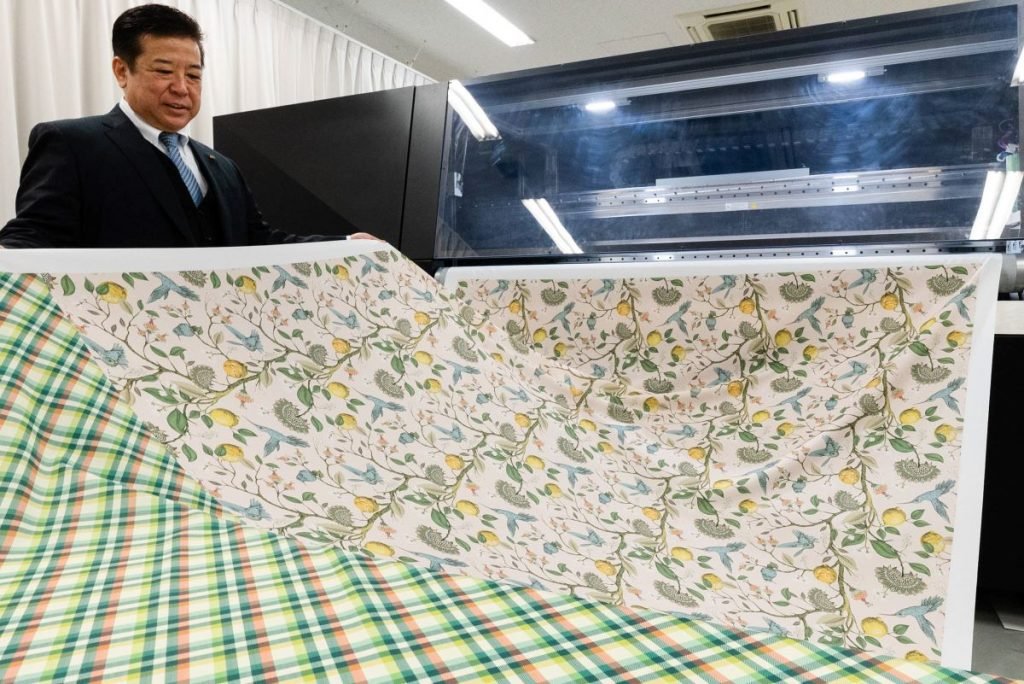
Key Factors That Affect Drying Speed
Several variables influence how long water-based inks take to dry on fabric. Being aware of these can help you adjust your process for faster turnaround or better results:
- Fabric type: Natural fibers like cotton absorb ink more readily and may dry faster than synthetics, which can repel water and slow drying.
- Ink thickness: Heavier ink deposits take longer to dry. Thin, even layers speed up the process.
- Ambient temperature: Warmer environments accelerate evaporation, reducing drying time.
- Humidity: High humidity slows evaporation and extends drying times. Low humidity speeds it up.
- Airflow: Good ventilation or the use of fans can significantly decrease drying time by moving moisture away from the fabric surface.
- Ink formulation: Some water-based inks are designed for rapid drying, while others may contain additives that slow the process for better blending or open time.
Adjusting these factors where possible can help you achieve the optimal drying time for your workflow.
Accelerating the Drying Process
If you need to speed up production, there are several practical ways to reduce the waiting period for water-based prints:
- Use forced air: Place prints under a fan or in a well-ventilated area to promote faster evaporation.
- Increase temperature: Use a heat gun, flash dryer, or tunnel dryer to gently warm the fabric. Be cautious not to scorch the material.
- Thin your ink: Apply thinner layers of ink to allow for quicker drying, especially when printing multiple colors or fine details.
- Choose fast-drying formulations: Some manufacturers offer quick-dry water-based inks specifically for high-speed production environments.
Always follow the ink manufacturer’s recommendations for drying and curing to ensure colorfastness and wash durability.
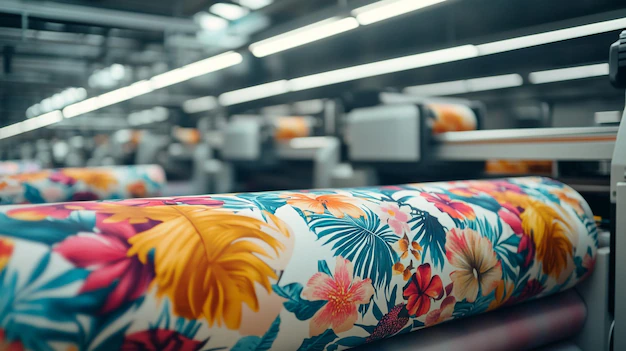
Heat Setting and Curing: Why It Matters
While air drying makes prints touch-safe, heat setting is essential for making the design permanent and wash-resistant. After the ink is dry to the touch, most water-based inks require curing at a specific temperature—typically 320°F (160°C)—for 1–3 minutes. This step bonds the pigment to the fibers, ensuring longevity and color vibrancy.
Common methods for heat setting include:
- Conveyor/tunnel dryers (for commercial production)
- Heat presses (for small batches or home studios)
- Household irons (for DIY projects, using parchment paper as a barrier)
Skipping this step can result in prints that fade or wash out quickly. Always consult the ink’s technical data sheet for precise instructions.
Comparing Water-Based and Plastisol Ink Drying Times
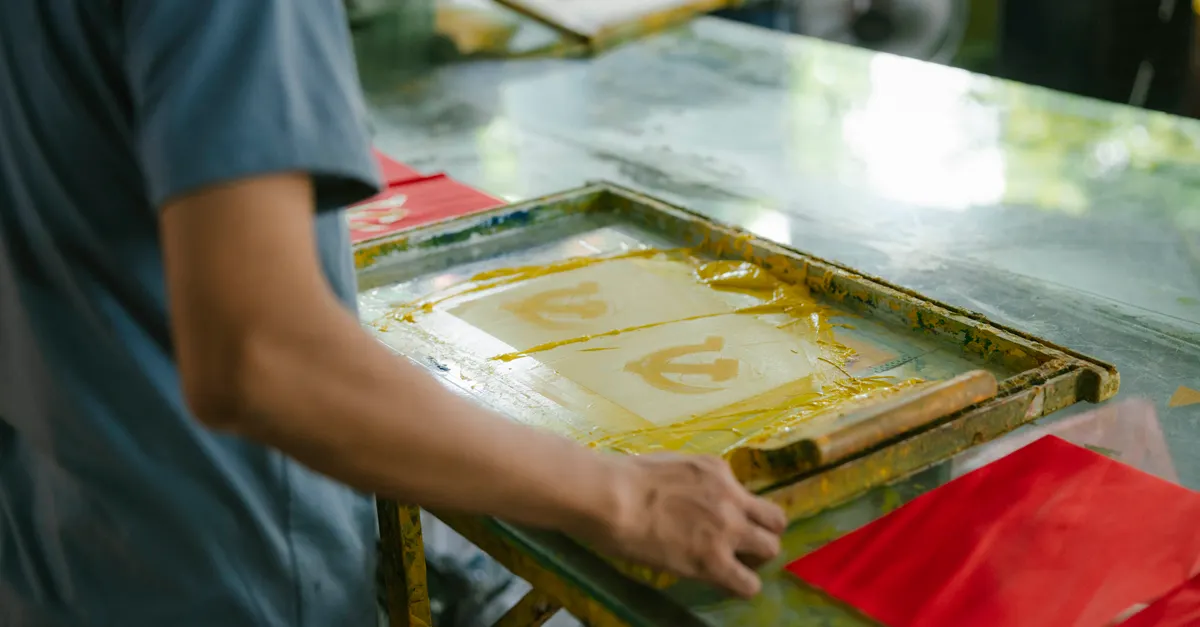
Compared to plastisol inks, which do not air dry and require heat to cure, water-based options offer more flexibility but demand patience. Plastisol remains wet until heated, making it less prone to drying in screens but requiring specialized equipment for curing. Water-based inks, on the other hand, can air dry and are easier to clean up, but they may clog screens if left exposed for too long.
For those interested in advanced techniques and industry trends, you might explore what is the future of smart textiles and printing for insights into evolving fabric printing technologies.
Best Practices for Consistent Results
To achieve reliable drying and curing with water-based inks, consider these best practices:
- Print in a controlled environment with stable temperature and humidity.
- Use fans or gentle heat to speed up drying without overheating the fabric.
- Allow prints to air dry thoroughly before stacking or handling.
- Always heat set according to the ink manufacturer’s guidelines.
- Test wash a sample print to confirm durability before full production.
For more tips on achieving professional results, check out tips for high-end luxury fabric printing and quality control.
Applications and Industry Insights
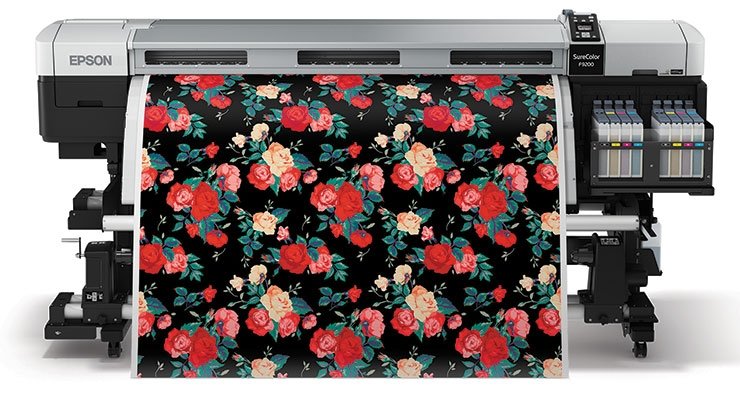
Water-based inks are widely used in fashion, home textiles, and promotional products. Their quick drying properties make them suitable for both manual and digital printing methods. For a deeper dive into digital processes, the digital textile printing overview provides a comprehensive look at how these inks are transforming the industry.
Whether you’re printing t-shirts, tote bags, or large-format textiles, understanding the nuances of drying and curing will help you produce vibrant, long-lasting designs.
Frequently Asked Questions
How can I tell if my water-based ink print is fully dry?
Check if the print feels dry to the touch and does not transfer color when lightly rubbed with a white cloth. However, for maximum durability, always heat set after air drying, as touch-dry does not guarantee the ink is fully cured.
Can I speed up drying with a household hair dryer?
Yes, using a hair dryer on a low or medium setting can help accelerate drying, especially for small prints. Keep the dryer moving to avoid overheating or scorching the fabric.
Is it safe to stack prints before they are completely dry?
It’s best to avoid stacking until prints are fully dry to prevent smudging or sticking. If you must stack, use parchment or wax paper between layers and ensure adequate airflow.
Conclusion
Knowing what is the drying time for water-based fabric inks and the factors that influence it is key to producing high-quality, durable prints. By managing your environment, using the right techniques, and following manufacturer recommendations, you can achieve efficient drying and professional results every time. For those looking to expand their expertise, resources on how to use digital printing for fashion trend forecasting offer valuable insights into the broader world of textile printing.