Running a successful food truck business requires more than just delicious recipes and a catchy brand. One of the most critical, yet often overlooked, aspects is choosing food-safe packaging for food trucks. The right packaging ensures the safety and freshness of your menu items, supports your brand image, and helps you comply with health regulations. Whether you’re serving tacos, burgers, or gourmet desserts, understanding the essentials of safe packaging can make a significant difference in customer satisfaction and operational efficiency.
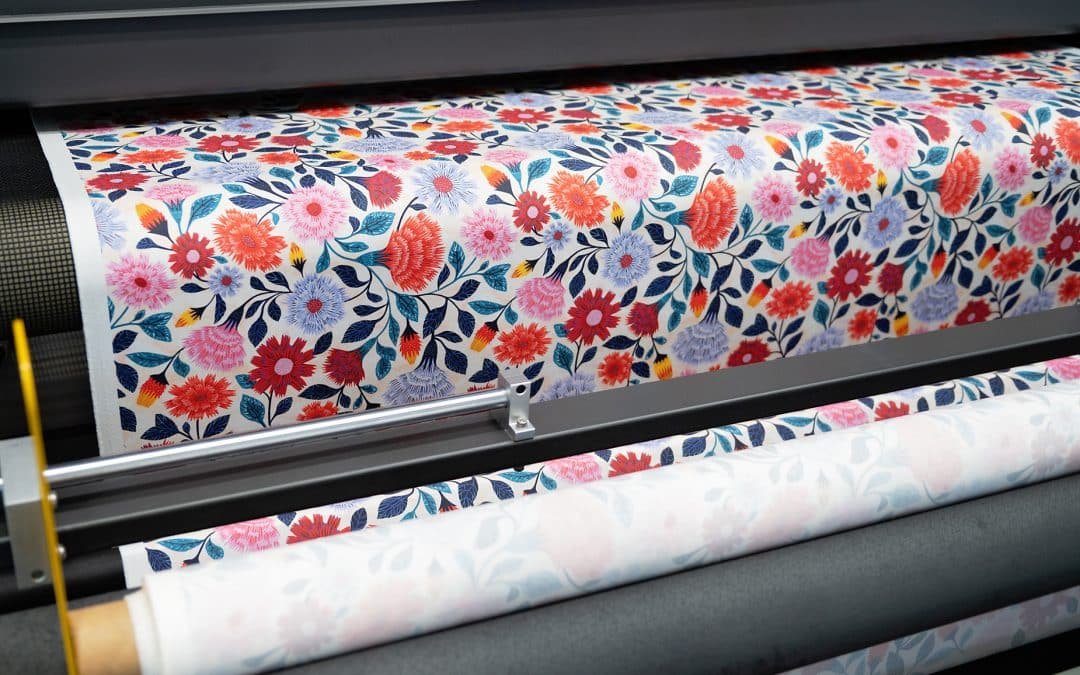
In this guide, we’ll break down what makes packaging food-safe, explore the best materials for mobile food vendors, and provide practical tips for selecting containers that protect both your food and your reputation. If you’re interested in how innovative printing techniques can further enhance your food truck’s branding, you might also want to check out our article on how to use digital printing for fashion trend forecasting.
Why Food-Safe Packaging Matters for Mobile Vendors
For food trucks, packaging is more than just a vessel for transport. It plays a direct role in maintaining food quality, preventing contamination, and meeting local health codes. Food-safe packaging for food trucks is specifically designed to avoid chemical leaching, resist grease and moisture, and keep food at the right temperature until it reaches the customer.
Using containers that are not rated as food-safe can lead to a host of problems, including spoilage, off-flavors, and even foodborne illness. Health inspectors pay close attention to packaging materials, so investing in compliant options helps you avoid costly fines and shutdowns.
Key Features of Safe Packaging Solutions
When selecting packaging for your food truck, look for these essential features:
- Material Safety: Choose containers labeled as food-grade or food-safe. These are made from materials that do not react with food or release harmful substances.
- Temperature Resistance: Your packaging should withstand the temperatures of your menu items, whether hot or cold, without warping or breaking down.
- Leak and Grease Resistance: Especially important for oily or saucy foods, leak-proof packaging prevents messes and maintains food integrity.
- Secure Closure: Lids and seals should fit tightly to avoid spills during transport.
- Clear Labeling: Food-safe containers often display certification marks or recycling codes that indicate suitability for direct food contact.
Popular Materials Used in Food Truck Packaging
There are several types of materials commonly used for safe food packaging in the mobile food industry. Each has its own advantages and best-use scenarios:
- Paperboard and Cardboard: Ideal for sandwiches, pastries, and dry foods. Look for options with a food-safe lining to resist grease and moisture.
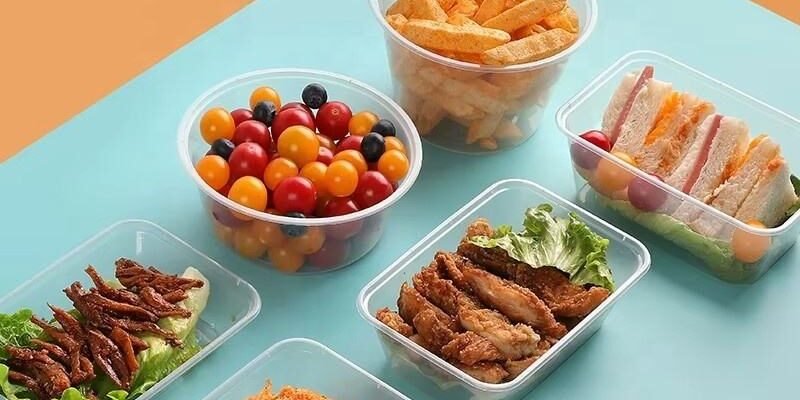
- Plastic (PET, PP, HDPE): Versatile and transparent, plastic containers are great for salads, desserts, and cold items. Ensure they are BPA-free and marked as food-grade.
- Compostable and Biodegradable Options: Made from materials like PLA, bagasse, or bamboo, these are eco-friendly choices that still meet food safety standards.
- Aluminum: Excellent for hot foods, as it retains heat and is fully recyclable. Always use containers with food-grade coatings to prevent reactions with acidic foods.
When choosing among these, consider the type of cuisine you serve, the likelihood of spills, and your customers’ preferences for sustainability.
Best Practices for Using Food-Safe Packaging in Food Trucks
To maximize the benefits of your packaging, follow these practical tips:
- Store Packaging Properly: Keep containers in a clean, dry area away from chemicals or cleaning supplies.
- Train Staff: Make sure everyone handling food understands which containers are safe for which foods and temperatures.
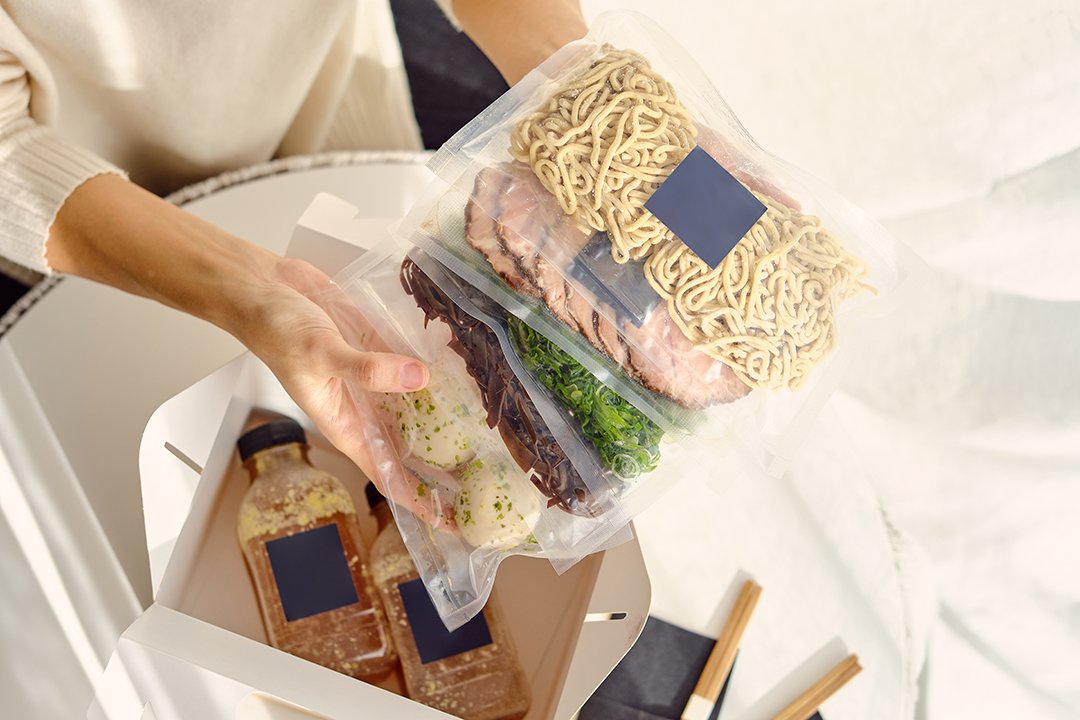
- Label Everything: Use labels to indicate allergens, reheating instructions, or branding. Only use food-safe inks and adhesives.
- Monitor Inventory: Regularly check your stock for damaged or expired packaging materials.
These steps help ensure that every meal leaving your truck is as safe as it is tasty.

Compliance and Certifications to Look For
Food trucks must comply with local and federal regulations regarding food safety. Look for packaging that meets standards set by organizations such as the FDA (U.S. Food and Drug Administration) or the EU’s food contact materials regulations. Certifications like “BPA-free,” “compostable,” or “recyclable” can also guide your choices.
For a deeper dive into the topic, you can explore expert advice on food-safe packaging for restaurants and food trucks to ensure you’re meeting all the necessary requirements.
Branding and Customer Experience
Packaging is also a powerful branding tool. Custom-printed containers can help your food truck stand out at events and on social media. When choosing food-safe packaging, consider options that allow for high-quality printing and clear labeling. This not only reinforces your brand but also provides important information to your customers.
If you’re interested in exploring how advanced printing techniques can elevate your packaging, our article on tips for high-end luxury fabric printing offers insights that can be adapted to food packaging design.
Eco-Friendly Trends in Food Truck Packaging
With growing consumer demand for sustainability, many food trucks are switching to eco-friendly packaging. Compostable and biodegradable containers made from renewable resources help reduce environmental impact while still meeting food safety standards. Be sure to check that these materials are certified for direct food contact and are suitable for the types of food you serve.
Offering recycling or composting options at your truck can further enhance your reputation as a responsible business and appeal to environmentally conscious customers.
Frequently Asked Questions
What does “food-safe” mean in packaging?
“Food-safe” means the packaging is made from materials that are approved for direct contact with food. These materials do not leach harmful chemicals, alter the taste, or compromise the safety of the food inside.
How can I tell if my packaging is food-safe?
Look for certifications, symbols, or labels indicating food-grade status. Common indicators include the glass and fork symbol, FDA approval, or recycling codes that specify food contact suitability. When in doubt, consult your supplier for documentation.
Are compostable containers always safe for hot foods?
Not all compostable containers are designed for high temperatures. Check the manufacturer’s specifications to ensure the container can handle the heat of your menu items without breaking down or releasing unwanted substances.
Can I use the same packaging for all types of food?
It’s best to match packaging to the specific needs of your menu. For example, hot and greasy foods may require different containers than cold salads or desserts. Using the right packaging improves food safety and customer satisfaction.
Conclusion
Choosing the right food-safe packaging for food trucks is essential for protecting your customers, complying with regulations, and building a strong brand. By understanding the materials, certifications, and best practices involved, you can confidently select packaging that supports your business goals and enhances the dining experience for every customer. Stay informed about new trends and regulations to keep your food truck ahead of the curve and ensure every meal you serve is safe, fresh, and memorable.