Printing on rib-knit and other stretchy fabrics presents unique challenges for apparel decorators, designers, and small-scale fashion studios. The flexibility and elasticity of these materials can lead to issues like image distortion, ink cracking, and inconsistent results if not handled properly. Whether you’re screen printing, using direct-to-garment (DTG) technology, or exploring digital textile printing, understanding the best practices for working with stretch fabrics is essential for achieving professional, long-lasting results.
In this guide, we’ll cover essential tips for printing on rib-knit and stretchy fabrics, including preparation, choosing the right inks, managing stretch, and post-print care. These insights will help you avoid common pitfalls and produce high-quality prints that stand up to wear and washing.
For those interested in the broader impact of textile innovation, you might also want to explore what is the future of smart textiles and printing to see how advanced materials and techniques are shaping the industry.
Understanding Rib-Knit and Stretchy Fabrics
Rib-knit fabrics are characterized by their vertical textured lines and high elasticity, making them popular for cuffs, collars, and fitted garments. Other stretchy materials, such as spandex blends and jersey knits, are commonly used in sportswear, activewear, and fashion basics. These fabrics stretch both widthwise and lengthwise, which can distort printed designs if not properly managed.
The inherent stretchiness means that traditional printing methods may not always yield optimal results. For decorators, the key is to adapt techniques and materials to accommodate the movement and recovery of these textiles.
Preparing Stretch Fabrics for Printing
Proper preparation is the foundation for successful printing on flexible materials. Here are some important steps to follow:
- Pre-wash the garments: Washing before printing removes sizing agents and shrinkage, ensuring the fabric’s true stretch and preventing post-print distortion.
- Flatten and stabilize: Lay the garment flat and avoid stretching it on the platen or printing surface. If possible, use a light adhesive spray or a tacky platen to keep the fabric in place without distorting its shape.
- Test print: Always run a test print on a sample piece to check for ink adhesion, color vibrancy, and image clarity before starting a full production run.
Choosing the Right Printing Method for Stretchy Materials
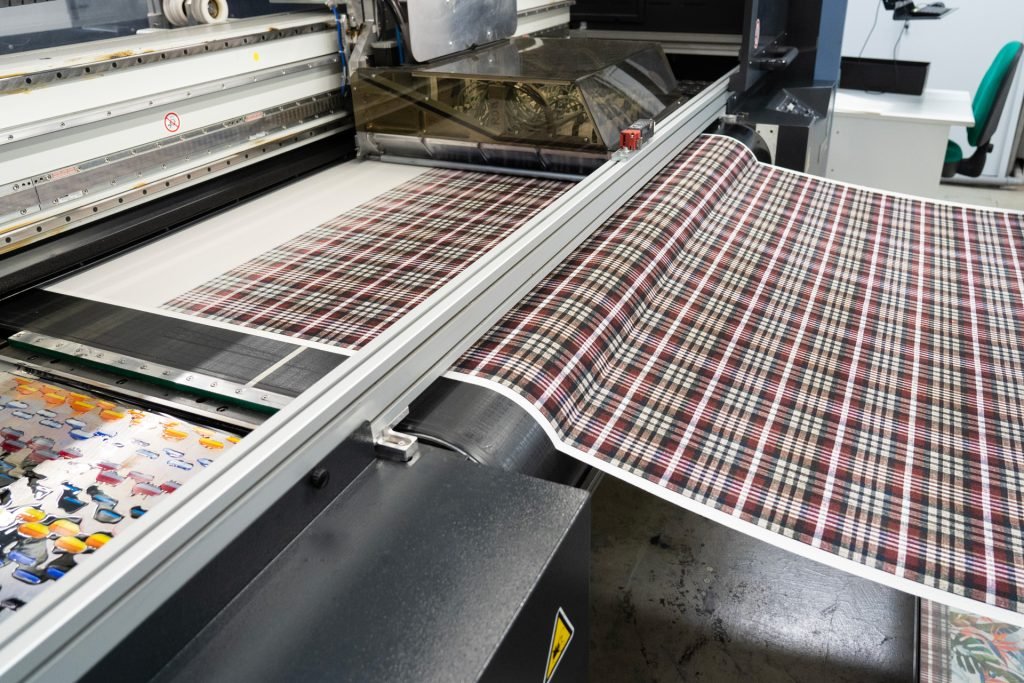
Not all printing techniques are equally suited for rib-knit and elastic textiles. Here’s a breakdown of popular methods and their suitability:
- Screen Printing: Works well with proper ink selection and mesh count. Use stretch additives in the ink to prevent cracking and improve flexibility.
- Direct-to-Garment (DTG): Ideal for detailed, full-color designs. Ensure pre-treatment is compatible with stretch fabrics and that the garment is held securely during printing.
- Heat Transfer Vinyl (HTV): Use stretch or flex vinyl designed for elastic fabrics. Standard vinyl may peel or crack when the fabric stretches.
- Sublimation: Best for polyester-based stretchy fabrics. The dye bonds with the fibers, resulting in a print that stretches with the garment.
For a deeper understanding of digital textile processes, check out this comprehensive definition of digital textile printing and how it applies to modern apparel production.
Ink and Additive Selection for Flexible Fabrics
One of the most important tips for printing on rib-knit and stretchy fabrics is choosing the right ink formulation. Standard plastisol or water-based inks may not stretch enough, leading to cracking or flaking. Consider these options:
- Stretch Additives: Mix these into plastisol inks to increase elasticity and durability.
- Specialty Inks: Some manufacturers offer inks specifically designed for performance and stretch fabrics. These maintain flexibility and resist cracking under tension.
- Water-Based Inks: While softer and more breathable, ensure they are formulated for stretch and have strong fiber penetration.
Always follow the manufacturer’s recommendations for curing temperatures and times, as under-curing can lead to poor wash durability while over-curing may damage the fabric’s elasticity.
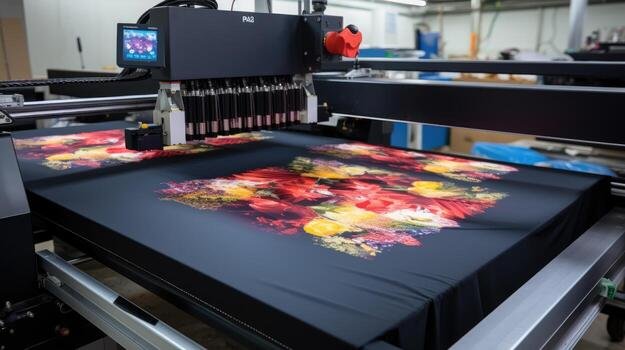
Managing Fabric Stretch During Printing
Maintaining the fabric’s natural shape is crucial when printing on elastic materials. Here are some practical strategies:
- Avoid Over-Stretching: Do not pull or stretch the garment when placing it on the platen. Printing on a stretched surface can cause the design to distort when the fabric returns to its original shape.
- Use Tacky Surfaces: A slightly tacky platen or spray adhesive helps hold the fabric in place without stretching it, minimizing movement during printing and curing.
- Print Placement: Avoid printing across seams or highly ribbed areas, as these can cause uneven ink coverage and distortion.
Post-Print Curing and Care
Proper curing is essential for ensuring that prints on rib-knit and stretch fabrics remain vibrant and intact after repeated wear and washing. Here’s what to keep in mind:
- Follow Curing Guidelines: Use the recommended temperature and dwell time for your ink type. Overheating can damage fabric elasticity, while under-curing reduces durability.
- Cool Down: Allow garments to cool before handling to prevent smudging or stretching the print while it’s still setting.
- Care Instructions: Advise customers to wash printed garments inside out, in cold water, and avoid high-heat drying to extend the life of the print.
Design Considerations for Stretchy Textiles
When creating artwork for rib-knit and elastic fabrics, keep these design tips in mind:
- Use Simple, Bold Graphics: Fine lines and intricate details may distort or break up when the fabric stretches. Opt for bold, solid shapes and larger text.
- Placement Matters: Place designs in areas with minimal stretch, such as the chest or back, rather than over seams or highly ribbed sections.
- Account for Fabric Texture: Ribbing can affect how ink sits on the surface. Adjust artwork to accommodate the fabric’s texture and avoid placing critical details over deep ribs.
Common Mistakes to Avoid
Even experienced printers can run into issues when working with stretchy garments. Here are some pitfalls to watch out for:
- Printing on Stretched Fabric: This leads to distorted images once the fabric relaxes.
- Using Non-Stretch Inks: Standard inks may crack or peel after the first wash or stretch.
- Ignoring Pre-Treatment: Skipping pre-washing or proper stabilization can result in poor ink adhesion and inconsistent results.
- Improper Curing: Not following ink and fabric curing guidelines can compromise print durability.
Expanding Your Printing Capabilities
Mastering the art of printing on rib-knit and elastic fabrics can open up new opportunities in the fashion and sportswear markets. If you’re interested in growing your skills further, you may want to learn how to set up a small scale fashion printing studio at home, or explore benefits of localized printing for global brands to see how flexible production can support your business growth.
Frequently Asked Questions
What is the best ink for printing on rib-knit and stretchy fabrics?
The best inks for elastic textiles are those formulated specifically for stretch, such as plastisol inks with stretch additives or specialty water-based inks. These inks maintain flexibility and resist cracking even after repeated stretching and washing.
How can I prevent my design from distorting on stretch fabrics?
To avoid distortion, never stretch the fabric when placing it on the platen. Use a tacky surface to hold the garment in place, and choose bold, simple designs that are less likely to be affected by the fabric’s movement.
Can I use heat transfers on rib-knit garments?
Yes, but it’s important to use heat transfer vinyl or transfer papers designed for stretch fabrics. Standard vinyl may not adhere well or could crack when the garment is stretched. Always test a sample before full production.
Conclusion
Working with rib-knit and stretchy clothing materials requires careful attention to preparation, ink selection, and printing technique. By following these tips for printing on rib-knit and stretchy fabrics, you can achieve crisp, durable results that meet the demands of today’s fashion and activewear markets. As you refine your process, continue exploring new technologies and materials to stay ahead in the ever-evolving world of textile decoration.