Plastic food-safe packaging is an essential part of the modern food industry, ensuring that products remain fresh, safe, and appealing from production to consumption. Whether you’re a food manufacturer, restaurant owner, or a consumer interested in food safety, understanding the materials and standards behind these containers is crucial. This guide breaks down the basics of food-grade plastics, how to identify safe packaging, and what to look for when choosing containers for food storage or distribution.
The rise of takeout, meal delivery, and convenience foods has made plastic containers ubiquitous. However, not all plastics are created equal when it comes to food contact. Regulatory standards, labeling, and material properties all play a role in determining which plastics are suitable for packaging food safely. For those interested in the intersection of packaging and innovative materials, you may also want to explore what is the future of smart textiles and printing for a broader look at material science trends.
Understanding Food-Grade Plastics
Not every plastic is appropriate for storing or transporting food. Food-grade plastics are specifically manufactured to meet strict safety standards set by regulatory bodies like the FDA in the United States or the EFSA in Europe. These standards ensure that the plastic does not leach harmful chemicals into food, even when exposed to heat, cold, or acidic ingredients.
Common types of plastics used for food packaging include:
- Polyethylene Terephthalate (PET or PETE): Often used for beverage bottles and salad containers. It is lightweight, clear, and resistant to impact.
- High-Density Polyethylene (HDPE): Used for milk jugs, juice bottles, and some food storage containers. It’s durable and has a high resistance to moisture.
- Polypropylene (PP): Frequently found in yogurt cups, microwaveable containers, and takeaway boxes. It has a high melting point, making it suitable for hot foods.
- Low-Density Polyethylene (LDPE): Used for flexible lids, bread bags, and squeeze bottles. It’s known for its flexibility and toughness.
- Polystyrene (PS): Sometimes used for disposable cutlery, plates, and foam food trays. However, its use is declining due to environmental and health concerns.
Each of these plastics has unique properties that make them suitable for different food applications. The key is ensuring that the chosen material is labeled as food-safe and meets all relevant regulations.
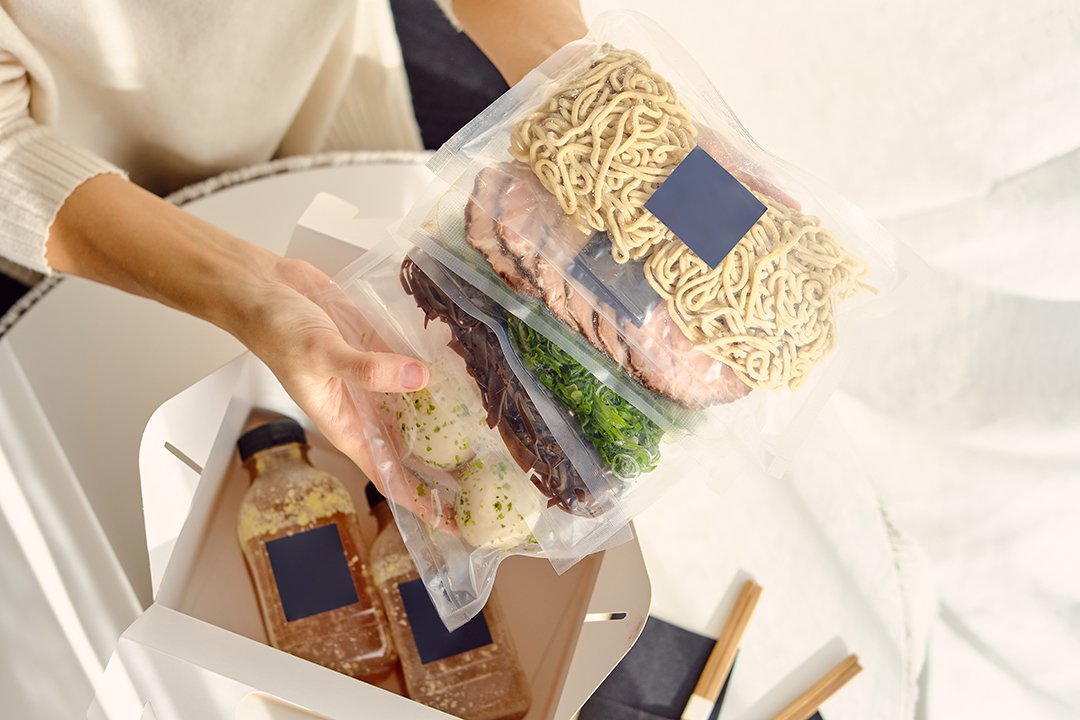
How to Identify Safe Plastic Packaging for Food
Recognizing which containers are suitable for food is vital for both businesses and consumers. Here are some tips for identifying safe plastic packaging:
- Look for the food-safe symbol: Most containers will display a symbol of a glass and fork, indicating suitability for food contact.
- Check the resin identification code: This is the number inside the recycling triangle, usually found on the bottom of the container. Codes 1 (PET), 2 (HDPE), 4 (LDPE), and 5 (PP) are generally considered safe for food.
- Review product labeling: Packaging should state “food safe,” “food grade,” or similar wording. If in doubt, consult the manufacturer.
- Assess for BPA-free claims: Many consumers prefer containers labeled as BPA-free, especially for items used with hot foods or beverages.
It’s important to avoid using containers not intended for food, such as industrial buckets or packaging with unknown origins, as these may contain additives or residues that are unsafe for consumption.
Benefits and Limitations of Plastic Food Containers
Plastic containers offer several advantages for food packaging:
- Lightweight and durable: Easy to transport and less likely to break compared to glass.
- Versatile shapes and sizes: Suitable for everything from single-serve snacks to bulk storage.
- Moisture and air barrier: Helps preserve freshness and extend shelf life.
- Cost-effective: Generally less expensive than alternatives like glass or metal.
However, there are also some limitations to consider:
- Environmental impact: Single-use plastics contribute to waste and pollution if not properly recycled.
- Potential for chemical migration: If not manufactured to food-grade standards, plastics can leach substances into food, especially when heated.
- Not all plastics are microwave or dishwasher safe: Always check labeling to avoid melting or warping.

Regulations and Standards for Food Packaging Safety
Government agencies around the world regulate the use of plastics in food packaging to protect public health. In the United States, the Food and Drug Administration (FDA) sets guidelines for which materials are considered safe for food contact. In Europe, the European Food Safety Authority (EFSA) performs a similar role.
Manufacturers must ensure their products comply with these regulations, which often involve rigorous testing for chemical migration, durability, and cleanliness. Businesses sourcing packaging should request documentation or certification proving compliance with relevant standards.
For a deeper dive into the topic, this comprehensive overview of food-safe packaging regulations offers additional insights into the requirements and best practices for safe material selection.
Choosing the Right Plastic Packaging for Your Needs
Selecting the appropriate container depends on the type of food, storage conditions, and intended use. Here are some factors to consider:
- Temperature resistance: For hot foods or microwave use, choose polypropylene (PP) or containers specifically labeled as microwave-safe.
- Transparency: Clear plastics like PET are ideal for displaying food items, while opaque containers may be better for light-sensitive products.
- Sealability: Airtight lids help maintain freshness and prevent leaks during transport.
- Recyclability: Opt for containers with clear recycling codes to support sustainability efforts.
- Regulatory compliance: Always verify that packaging meets food safety standards in your region.
For businesses, working with reputable suppliers and requesting certification can help ensure that all packaging used is both safe and compliant.
Innovations and Trends in Food Packaging Materials
The packaging industry is rapidly evolving, with new materials and technologies emerging to address safety, sustainability, and convenience. Some recent trends include:
- Biodegradable plastics: Made from renewable resources, these offer a more eco-friendly alternative to traditional plastics.
- Smart packaging: Incorporates sensors or indicators to monitor freshness or detect contamination.
- Improved recycling systems: Efforts are underway to make more types of plastic packaging recyclable and to increase the use of recycled content in new containers.
As consumer awareness grows, demand for safer and more sustainable packaging options is likely to increase. Businesses that stay informed about these trends can better meet customer expectations and regulatory requirements.
Frequently Asked Questions
What makes a plastic container food-safe?
A plastic container is considered food-safe if it is made from materials approved for food contact by regulatory agencies, does not leach harmful chemicals, and is manufactured under hygienic conditions. Look for containers labeled as food-grade and displaying the appropriate symbols or recycling codes.
Can all plastic containers be used in the microwave?
No, only certain plastics are suitable for microwave use. Polypropylene (PP) is commonly used for microwaveable containers, but always check the labeling. Using non-microwave-safe plastics can result in melting, warping, or chemical leaching.
Are BPA-free plastics always safe for food?
BPA-free plastics eliminate bisphenol A, a chemical of concern for some consumers. However, being BPA-free does not automatically mean a container is food-safe. Always verify that the plastic is food-grade and meets relevant safety standards.
How can I dispose of plastic food packaging responsibly?
Check local recycling guidelines to determine which types of plastic are accepted in your area. Rinse containers before recycling and avoid contaminating recycling streams with non-recyclable plastics. Consider reusable or biodegradable options when possible.
Understanding the science and regulations behind plastic food-safe packaging helps ensure the safety of the food we eat and supports more informed choices for businesses and consumers alike.