Choosing the right food-safe packaging for catering operations is essential for protecting customers, maintaining food quality, and complying with health regulations. Whether you run a small catering company or manage large-scale events, understanding the requirements and options for safe food packaging can help you deliver meals that are both delicious and safe to eat. This article breaks down the essentials of food-grade packaging, highlights key materials, and offers practical tips for selecting the best solutions for your business.
For those interested in how packaging innovations are shaping other industries, you might also want to explore what is the future of smart textiles and printing for insights on advanced materials and printing technologies.
Why Food-Safe Packaging Matters in Catering
For caterers, packaging is more than just a container—it’s a crucial part of food safety and customer satisfaction. Food-safe packaging for catering ensures that meals remain uncontaminated during storage and transport. It also helps preserve freshness, prevent leaks, and maintain the right temperature. Using certified materials reduces the risk of foodborne illnesses and demonstrates your commitment to quality and compliance.
Health authorities require all food businesses to use packaging that meets strict safety standards. This means materials must not transfer harmful chemicals, odors, or flavors to the food. Non-compliance can lead to fines, damaged reputation, or even business closure. By investing in proper packaging, caterers can avoid these risks and build trust with clients.
Key Materials Used in Food-Safe Packaging for Catering
There are several types of materials commonly used in catering packaging. Each has its own advantages and is suited to different types of food and service styles.
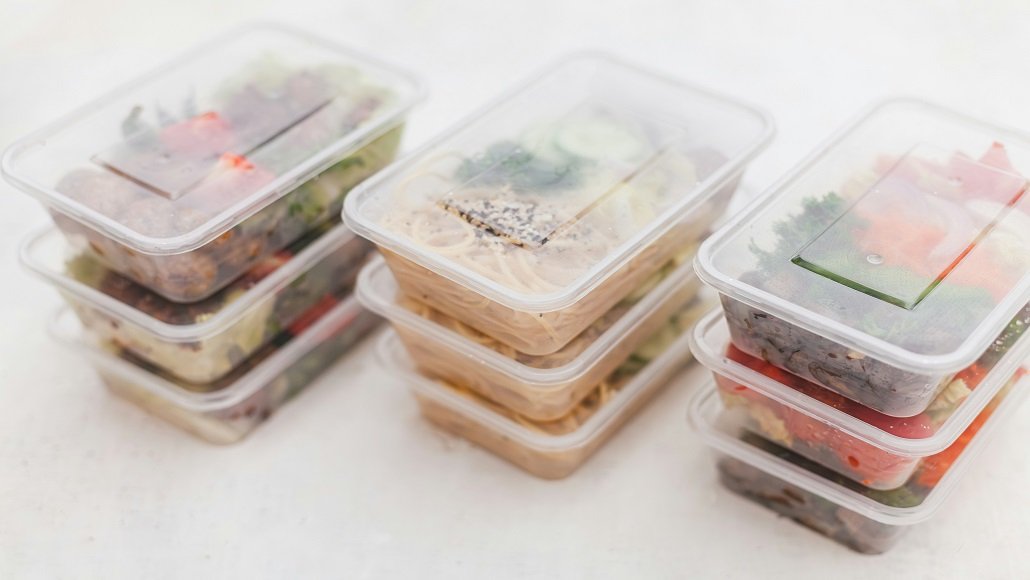
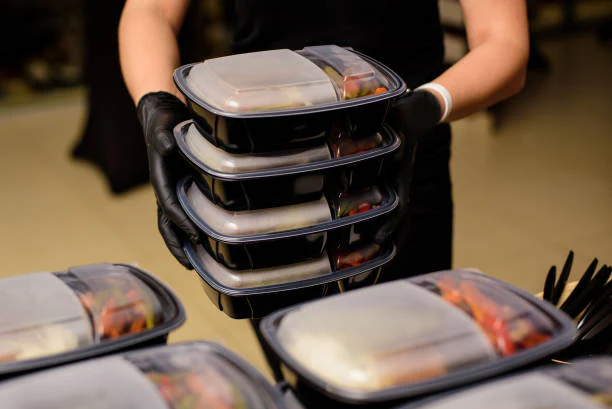
- Plastic Containers: Widely used for their durability and leak resistance. Look for BPA-free and recyclable options to ensure safety and sustainability.
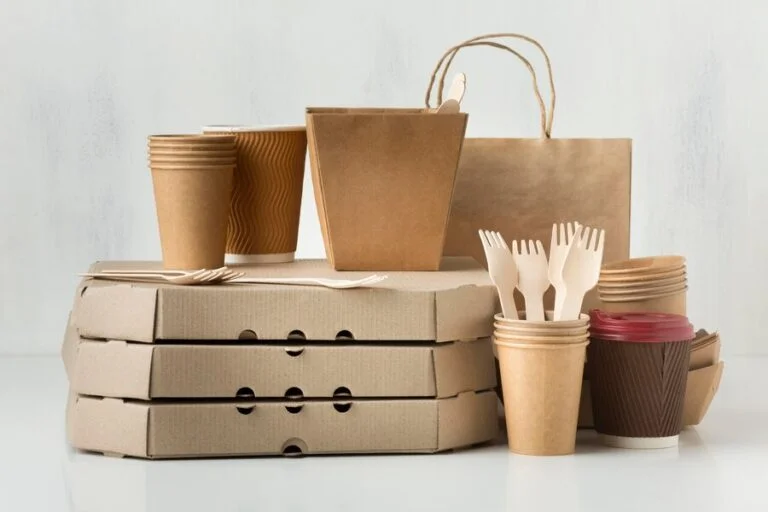
- Paper and Cardboard: Popular for sandwiches, baked goods, and dry foods. Many are coated with food-safe linings to prevent grease and moisture seepage.
- Aluminum Foil: Excellent for hot foods, as it retains heat and prevents contamination. It’s also recyclable and provides a strong barrier against light and oxygen.
- Biodegradable and Compostable Materials: Increasingly favored for their environmental benefits. Made from plant-based sources like cornstarch or sugarcane, these options break down naturally after use.

Regulations and Certifications for Safe Catering Packaging
To ensure your packaging is truly food-safe, it’s important to understand the relevant regulations and certifications. In most countries, food packaging must comply with standards set by government agencies such as the FDA (U.S.), EFSA (Europe), or CFIA (Canada). These regulations cover everything from the types of materials allowed to labeling requirements.
Look for packaging that is labeled as “food-grade” or “food-safe.” Certifications like FDA approval, BRCGS, or ISO 22000 indicate that the product has been tested and meets safety standards. For a more detailed explanation of what makes packaging food-grade, see this comprehensive guide to food-grade packaging.
Choosing the Right Food-Safe Packaging for Catering Needs
When selecting packaging for your catering business, consider the following factors to ensure both safety and practicality:
- Type of Food: Hot, cold, wet, or dry foods may require different packaging solutions. For example, soups need leak-proof containers, while salads benefit from breathable packaging to prevent wilting.
- Transport and Storage: Choose packaging that can withstand movement and stacking without breaking or leaking. Insulated options help maintain temperature during delivery.
- Portion Control: Pre-portioned containers make serving easier and help with inventory management.
- Presentation: Attractive packaging enhances the perceived value of your food and can reinforce your brand image.
- Sustainability: Many clients now expect eco-friendly options. Biodegradable and recyclable materials can set your business apart and reduce environmental impact.
Best Practices for Using Food-Safe Packaging in Catering
Implementing best practices ensures your packaging consistently protects food and meets customer expectations. Here are some tips:
- Store Packaging Properly: Keep packaging materials in a clean, dry area away from chemicals or contaminants.
- Train Staff: Educate your team on how to handle and pack food safely, including proper sealing and labeling.
- Label Clearly: Use labels to indicate allergens, ingredients, and expiration dates. This is especially important for large events or when serving clients with dietary restrictions.
- Monitor Feedback: Regularly ask clients for feedback on packaging quality and make adjustments as needed.
- Stay Updated: Regulations and customer preferences evolve. Keep up with industry trends and new materials to maintain a competitive edge.
Eco-Friendly Trends in Catering Packaging
Environmental responsibility is becoming a top priority for many catering businesses. Clients increasingly look for caterers who use sustainable packaging. Options like compostable plates, biodegradable cutlery, and recyclable containers are now widely available. These choices not only reduce waste but also appeal to eco-conscious customers.
Switching to greener packaging can also improve your brand image and help you comply with local regulations aimed at reducing single-use plastics. When evaluating eco-friendly options, ensure they still meet food safety standards and are suitable for the types of food you serve.
Common Mistakes to Avoid When Selecting Packaging
Even experienced caterers can make mistakes when choosing packaging. Here are some pitfalls to watch out for:
- Ignoring Food Compatibility: Not all packaging is suitable for every type of food. For example, acidic foods can react with certain plastics or metals.
- Overlooking Temperature Needs: Using non-insulated containers for hot foods can result in soggy or cold meals upon delivery.
- Neglecting Labeling: Failing to provide clear information can lead to confusion or safety issues, especially for clients with allergies.
- Choosing Non-Compliant Materials: Always verify that packaging is certified for food contact to avoid legal and health risks.
FAQ: Food-Safe Packaging for Catering Businesses
What does “food-safe” mean in the context of catering packaging?
“Food-safe” refers to packaging materials that are specifically designed and tested to be safe for direct contact with food. These materials do not leach harmful chemicals, alter the taste, or compromise the quality of the food they contain.
How can I tell if packaging is suitable for food use?
Look for labels such as “food-grade,” “food-safe,” or certifications like FDA approval. Packaging should also be free from strong odors and should not react with the food inside. When in doubt, ask your supplier for documentation proving compliance with food safety standards.
Are eco-friendly packaging options as safe as traditional ones?
Yes, as long as they are certified for food contact. Many biodegradable and compostable materials are rigorously tested to ensure they meet the same safety standards as conventional packaging. Always verify certifications before use.
How does packaging affect the shelf life of catered food?
Proper packaging helps extend shelf life by protecting food from contaminants, moisture, and temperature fluctuations. Choosing the right material for each food type is key to maintaining freshness and safety during storage and transport.
Can I reuse food packaging in my catering business?
Reusable packaging can be safe if it is designed for multiple uses and is thoroughly cleaned and sanitized between uses. However, single-use packaging should never be reused, as it may harbor bacteria or degrade after initial use.
Understanding the essentials of food-safe packaging for catering can help your business deliver safe, fresh, and appealing meals to clients. By staying informed about regulations, materials, and best practices, you can ensure both compliance and customer satisfaction in every order.