Recycled plastic 3D printing is transforming how industries and individuals approach manufacturing, sustainability, and material reuse. By converting post-consumer and post-industrial plastics into printable filaments, this technology offers a practical path toward reducing plastic waste and promoting circular economies. As environmental concerns grow, more creators and businesses are exploring how additive manufacturing with recycled polymers can deliver both ecological and economic benefits.
In this guide, we’ll explore how recycled plastics are processed for 3D printing, the advantages and challenges of using these materials, and the impact on various industries. We’ll also provide practical tips for those interested in adopting sustainable printing practices and highlight resources for further exploration. For those curious about the intersection of advanced manufacturing and innovative textiles, you may also find value in learning what is the future of smart textiles and printing as these fields increasingly overlap.
Understanding the Basics of 3D Printing with Recycled Plastics
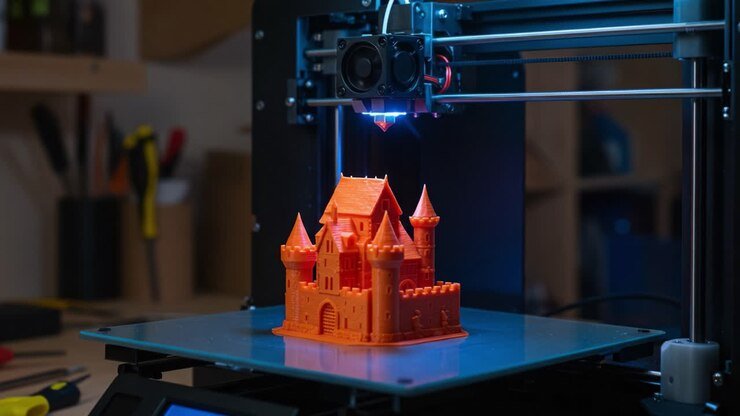
At its core, 3D printing—also known as additive manufacturing—involves building objects layer by layer from digital models. Traditional 3D printing often uses virgin plastics like PLA, ABS, or PETG. However, with growing concerns about plastic pollution, innovators have developed methods to repurpose waste plastics into usable filaments or pellets for printing.
The process typically involves collecting plastic waste, cleaning and sorting it, shredding it into small pieces, and then extruding it into filament or preparing it for pellet-based printers. This approach not only diverts plastic from landfills but also reduces the need for new raw materials, lowering the overall environmental footprint of manufacturing.
For a more detailed overview of the technology behind additive manufacturing, you can refer to this comprehensive explanation of 3D printing.
Key Benefits of Using Recycled Plastics in Additive Manufacturing
There are several compelling reasons to consider recycled plastics for 3D printing projects:
- Environmental Impact: Utilizing recycled polymers helps reduce plastic waste and conserves resources, making it a more sustainable choice compared to virgin materials.
- Cost Efficiency: In many cases, recycled filaments are less expensive than their virgin counterparts, especially when sourced locally or produced in-house.
- Promoting Circular Economy: By reusing materials, manufacturers and hobbyists contribute to a system where products and resources are kept in use for as long as possible.
- Customization and Innovation: Recycled materials can be blended or modified to create unique properties, opening up new possibilities for product design and functionality.
Popular Types of Recycled Plastics for 3D Printing
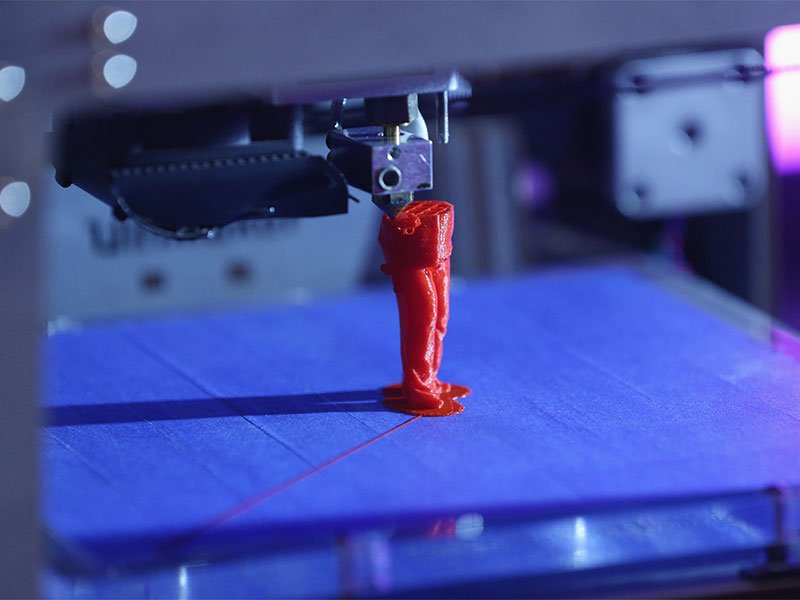
Not all plastics are equally suitable for additive manufacturing. The most commonly recycled plastics used for printing include:
- PET (Polyethylene Terephthalate): Sourced from water bottles and food containers, PET and its glycol-modified version PETG are popular for their strength and ease of use.
- PLA (Polylactic Acid): While PLA is typically made from renewable resources, some initiatives recycle used PLA prints and waste back into filament.
- ABS (Acrylonitrile Butadiene Styrene): Found in consumer products and electronics, recycled ABS is valued for its durability but can be more challenging to print due to warping.
- HDPE (High-Density Polyethylene): Used in milk jugs and detergent bottles, HDPE is lightweight and strong but requires careful temperature control during printing.
Each plastic type has unique properties that affect print quality, strength, and application. Experimenting with different recycled materials can help users find the best fit for their specific needs.
Challenges and Considerations When Printing with Recycled Plastics
While the environmental and economic advantages are clear, there are some challenges to keep in mind:
- Material Consistency: Recycled plastics can vary in composition, color, and quality, which may affect print reliability and finish.
- Contamination: Impurities or mixed plastics can cause clogs, poor adhesion, or weak prints. Proper sorting and cleaning are essential.
- Equipment Wear: Some recycled materials, especially those with additives or fillers, can be abrasive and may wear down printer nozzles faster.
- Limited Availability: While options are growing, not all regions have easy access to high-quality recycled filaments or pellet supplies.
To overcome these challenges, many users invest in dedicated filament extruders or partner with reputable suppliers who specialize in recycled materials. Additionally, adjusting print settings and performing regular maintenance can help ensure consistent results.
Applications and Industry Impact
The use of recycled plastics in 3D printing is gaining traction across multiple sectors:
- Prototyping and Product Development: Designers and engineers use recycled filaments for rapid prototyping, reducing both costs and environmental impact.
- Education: Schools and universities incorporate sustainable materials into STEM programs, teaching students about responsible manufacturing.
- Architecture and Construction: Large-scale printers use recycled polymers to create building components, furniture, and even entire structures.
- Fashion and Art: Artists and designers experiment with recycled plastics to produce unique jewelry, accessories, and installations. Those interested in creative applications may also want to explore how to use digital printing for fashion trend forecasting for further inspiration.
As the technology matures, more industries are expected to adopt sustainable printing practices, driving innovation and expanding the market for recycled materials.
Tips for Getting Started with Sustainable 3D Printing
If you’re interested in incorporating recycled plastics into your 3D printing workflow, consider these practical steps:
- Source Quality Materials: Look for reputable suppliers who specialize in recycled filaments, or consider investing in a filament extruder to process your own waste.
- Test and Calibrate: Start with small prints to dial in optimal temperature, speed, and bed adhesion settings for each new material batch.
- Maintain Your Printer: Regularly clean nozzles and moving parts to prevent clogs and wear, especially when using abrasive or composite filaments.
- Document Results: Keep notes on print settings and outcomes to build a knowledge base for future projects.
- Stay Informed: Follow industry news, forums, and research to learn about new materials, techniques, and best practices. For those setting up a creative workspace, check out this guide on how to set up a small scale fashion printing studio.
Looking Ahead: The Future of Eco-Friendly Additive Manufacturing
The momentum behind sustainable 3D printing continues to grow as environmental regulations tighten and consumer demand for green products increases. Advances in material science are making it easier to recycle a wider variety of plastics, while new printer technologies are improving the quality and reliability of prints made from recycled sources.
Collaboration between manufacturers, recyclers, and designers is crucial for scaling up these solutions. As more companies adopt circular economy principles, the role of recycled plastics in additive manufacturing will likely expand, driving further innovation and reducing the environmental impact of production.
For global brands and local businesses alike, embracing sustainable printing can offer a competitive edge. To learn more about how localized production can benefit your business, explore the benefits of localized printing for global brands.
Frequently Asked Questions
Can I use household plastic waste for 3D printing?
It is possible to process certain types of household plastics, such as PET from bottles, into filament or pellets for 3D printing. However, this requires proper cleaning, sorting, and specialized equipment like a filament extruder. Not all plastics are suitable, and contamination can affect print quality and safety.
Are recycled filaments as strong as virgin materials?
The strength and durability of recycled filaments depend on the type of plastic, processing quality, and any additives used. While some recycled materials perform comparably to virgin plastics, others may be more brittle or inconsistent. Testing and calibration are recommended to achieve the best results.
What are the main environmental benefits of using recycled plastics in 3D printing?
By using recycled plastics, you help divert waste from landfills, reduce the demand for new raw materials, and lower the carbon footprint of manufacturing. This approach supports circular economy goals and promotes more responsible production and consumption patterns.