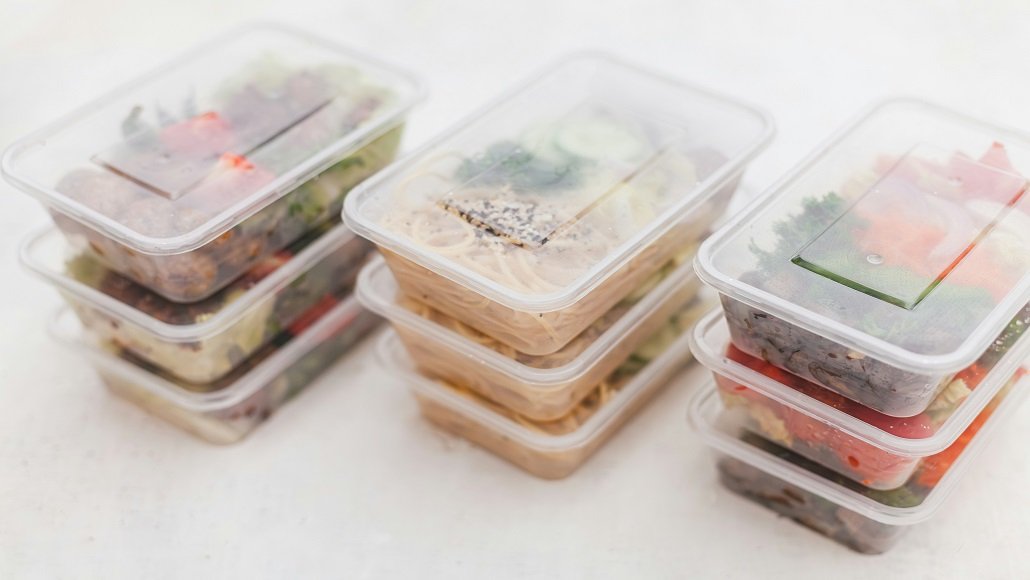
With the surge in takeout and delivery orders, the importance of food-safe packaging for takeout has never been greater. Restaurants, caterers, and food entrepreneurs must ensure that their packaging not only preserves food quality but also protects consumers from contamination and complies with regulations. This guide breaks down what makes packaging safe for food, explores the most common materials, and explains how to select the right options for your business or home kitchen.
Understanding the principles behind safe packaging is crucial for anyone involved in food service. Whether you’re a small café or a large-scale operation, your packaging choices impact food safety, customer satisfaction, and even your brand reputation. For those interested in how technology is shaping packaging and textiles, you may also want to explore what is the future of smart textiles and printing for insights into innovative materials and processes.
What Defines Food-Safe Takeout Packaging?
Not all containers are created equal when it comes to handling food. Food-safe packaging for takeout refers to materials and containers that are designed, manufactured, and tested to prevent harmful substances from leaching into food. These products must meet strict standards set by regulatory bodies such as the FDA (in the US) or EFSA (in Europe).
Key characteristics of safe packaging include:
- Non-toxicity: Materials must not release harmful chemicals or heavy metals into food, even when exposed to heat or moisture.
- Barrier protection: Effective at keeping out contaminants like dust, bacteria, and moisture.
- Durability: Strong enough to prevent leaks, spills, and breakage during transport.
- Compatibility: Suitable for the specific type of food (hot, cold, oily, acidic, etc.).
Common Materials Used in Safe Takeout Packaging
There is a wide variety of materials used for packaging food to-go. Each has its own advantages and considerations regarding safety, sustainability, and performance.

PET and Other Plastics
Polyethylene terephthalate (PET) is a popular choice for clear containers and beverage bottles. It is lightweight, shatter-resistant, and approved for direct food contact. Other plastics like polypropylene (PP) and high-density polyethylene (HDPE) are also widely used for their heat resistance and durability. However, it is important to ensure that any plastic used is labeled as food-grade and free from BPA or other harmful additives.
Papers and Cardboards
Paper-based packaging, such as cartons, bags, and boxes, is commonly used for items like sandwiches, pastries, and dry foods. These materials are often coated with a thin layer of polyethylene or wax to prevent grease and moisture from seeping through. When choosing paper packaging, look for certifications indicating it is safe for food contact and, if possible, compostable or recyclable for environmental responsibility.
Biodegradable and Compostable Options
Eco-friendly packaging made from plant-based materials like PLA (polylactic acid), bagasse (sugarcane fiber), or bamboo is gaining popularity. These options are designed to break down more easily in composting facilities, reducing environmental impact. However, always verify that these materials are certified for food contact and are suitable for the intended use (e.g., hot vs. cold foods).
How to Choose the Right Food-Safe Packaging for Takeout
Selecting the best packaging involves more than just picking a container off the shelf. Consider the following factors to make informed decisions:
- Type of Food: Hot soups need containers that can withstand high temperatures, while salads require breathable packaging to prevent wilting.
- Portion Size: Choose containers that fit your servings snugly to minimize movement and spillage.
- Transport Distance: Longer delivery routes may require sturdier, leak-proof options.
- Brand Image: Custom-printed or branded packaging can reinforce your business identity and enhance the customer experience.
- Sustainability: If environmental impact is a concern, opt for recyclable or compostable materials that still meet safety standards.
For a comprehensive overview of packaging types and how to select the best one for your needs, check out this guide to the most common types of packaging for food.
Regulations and Certifications for Safe Packaging
Ensuring compliance with food safety regulations is essential for any business serving takeout. Look for packaging that meets national and international standards, such as:
- FDA Food Contact Substance Notification (FCN) for the United States.
- European Union Framework Regulation (EC) No 1935/2004 for materials intended to come into contact with food.
- Certification labels such as compostable, recyclable, or biodegradable, with third-party verification.
Packaging suppliers should be able to provide documentation proving compliance. Always request safety data sheets or certificates of conformity when evaluating new products.
Trends and Innovations in Takeout Packaging
The landscape of food-safe packaging for takeout is constantly evolving. Recent trends include:
- Smart packaging with temperature indicators or freshness sensors to monitor food quality during transit.
- Edible packaging made from seaweed or rice paper, offering zero waste solutions.
- Minimalist designs that reduce material use without compromising safety or performance.
- Digital printing for custom branding and improved traceability, a topic closely related to how to use digital printing for fashion trend forecasting.

Best Practices for Ensuring Food Safety in Takeout
Even with the right packaging, proper handling is vital to maintain food safety. Here are some best practices:
- Store packaging materials in a clean, dry area to prevent contamination.
- Train staff on safe food handling and packaging procedures.
- Seal containers securely to avoid leaks and exposure during transport.
- Label packages with allergen information and handling instructions when necessary.
- Regularly review and update packaging choices as new materials and regulations emerge.
Frequently Asked Questions
What materials are considered food-safe for takeout containers?
Materials like PET, PP, HDPE plastics, coated paperboard, and certified biodegradable options such as PLA and bagasse are commonly used for safe food packaging. Always look for food-grade certifications and ensure the packaging is suitable for the type of food being served.
How can I tell if a takeout container is safe for hot foods?
Check for temperature ratings and manufacturer guidelines. Containers labeled as microwave-safe or heat-resistant are generally suitable for hot foods. Avoid using packaging not intended for high temperatures, as it may release harmful chemicals or lose structural integrity.
Are compostable and biodegradable takeout containers always safe for food?
Not necessarily. While many compostable and biodegradable containers are designed for food use, it’s important to verify that they are certified for direct food contact. Look for third-party certifications and request documentation from your supplier to ensure safety.