3D printing in fashion is reshaping the way designers, brands, and consumers think about clothing and accessories. This innovative technology enables the creation of intricate structures, customized fits, and sustainable solutions that were once impossible with traditional methods. As the fashion industry seeks new ways to stand out and address environmental concerns, additive manufacturing is quickly becoming a key driver of change.
From avant-garde runway pieces to practical wearables, the integration of 3D printing is unlocking creative possibilities and streamlining production. In this article, we’ll explore how this technology is being used, highlight emerging trends, and discuss what the future may hold for apparel and accessory design.
For those interested in related innovations, exploring what is the future of smart textiles and printing provides valuable insight into how advanced materials and digital techniques are converging in the world of apparel.
How Additive Manufacturing Is Transforming Apparel Design
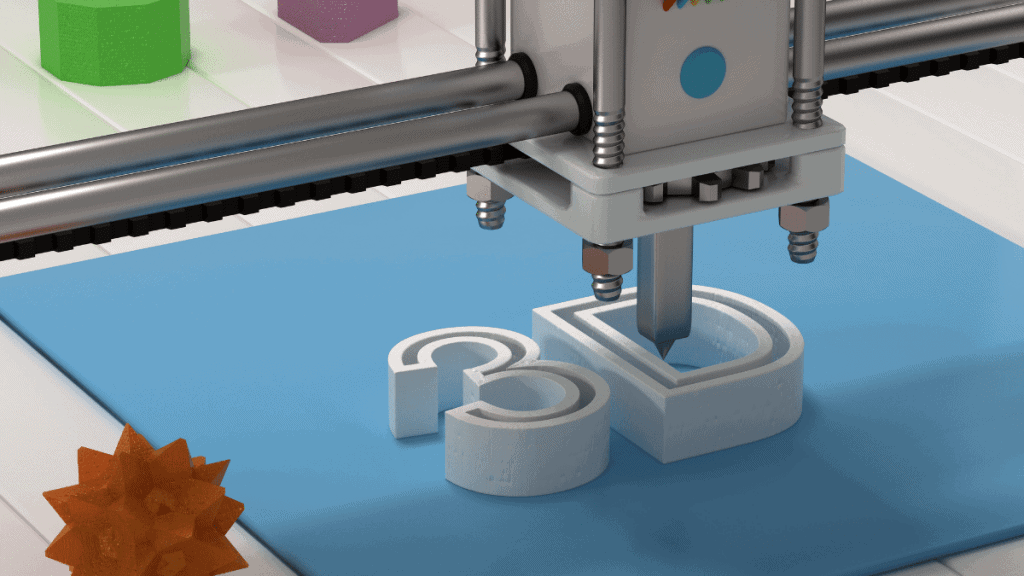
The use of 3D printing in fashion is revolutionizing the design process. Unlike traditional garment construction, which relies on cutting, sewing, and assembling flat fabrics, additive manufacturing builds objects layer by layer. This approach gives designers the freedom to experiment with complex geometries, textures, and forms that would be difficult or impossible to achieve otherwise.
- Customization: Designers can create made-to-measure garments tailored to an individual’s body shape, opening up new possibilities for fit and comfort.
- Material Innovation: A wide range of materials—from flexible polymers to rigid resins—can be used, allowing for unique tactile qualities and visual effects.
- Rapid Prototyping: Concepts can be quickly turned into physical samples, speeding up the development cycle and reducing waste.
These advantages are helping both established brands and independent creators push the boundaries of what’s possible in apparel and accessory design.
Creative Applications of 3D Printing in Fashion
Innovative uses of 3D printing are appearing across the fashion landscape. Here are some of the most notable applications:
Avant-Garde Runway Pieces
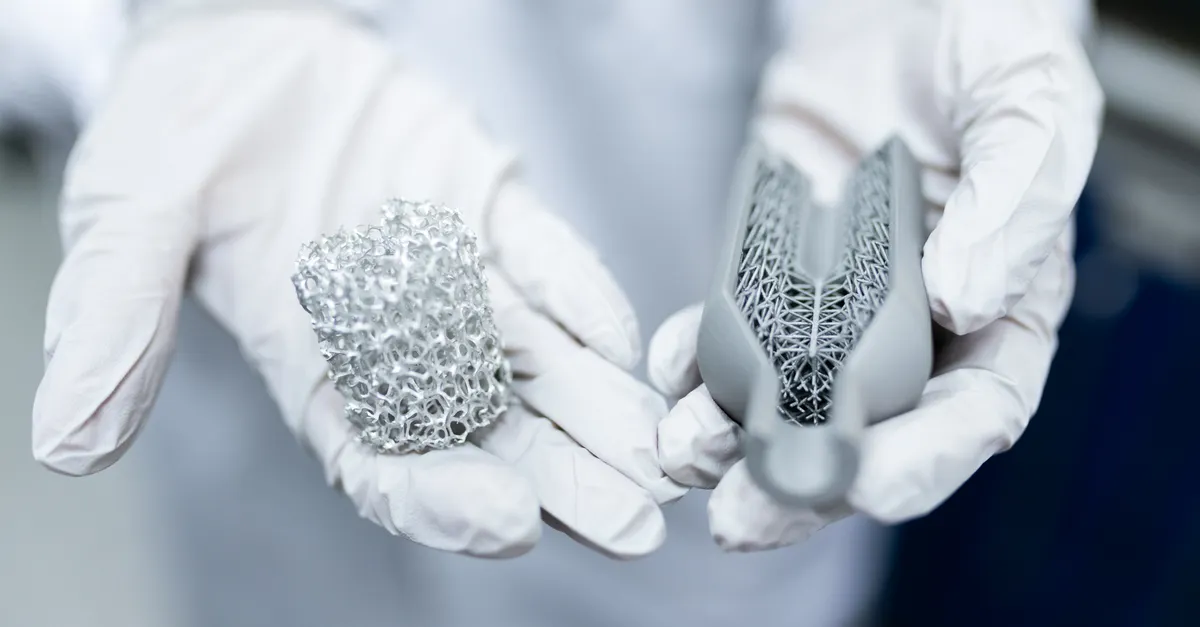
High-profile designers are using 3D printing to craft sculptural garments and accessories for fashion shows. These pieces often feature intricate latticework, organic shapes, and bold silhouettes that capture attention on the runway. The technology enables the realization of artistic visions that would be nearly impossible with conventional techniques.

Wearable Accessories and Jewelry
Accessories such as shoes, bags, and jewelry are ideal candidates for 3D printing. The technology allows for the creation of lightweight, durable, and highly detailed pieces. Customization is a major advantage—designers can offer bespoke items tailored to individual preferences, from personalized rings to ergonomically shaped footwear.
Functional and Technical Garments
Beyond aesthetics, 3D printing is being used to produce functional clothing. Examples include sportswear with integrated support structures, medical wearables, and even protective gear. The ability to print complex, multi-material components in a single process opens up new avenues for performance and utility.
Emerging Trends Shaping the Future of 3D-Printed Fashion
As the technology matures, several key trends are influencing its adoption and evolution within the fashion industry:
Sustainability and Waste Reduction
One of the most significant benefits of additive manufacturing is its potential to reduce waste. Traditional garment production often results in leftover fabric scraps, but 3D printing uses only the material required for each item. Additionally, designers can experiment with recycled or biodegradable filaments, supporting more sustainable practices.
For more on eco-friendly production, see the benefits of localized printing for global brands and how distributed manufacturing can further reduce environmental impact.
On-Demand and Localized Production
3D printing enables on-demand manufacturing, allowing brands to produce items only when needed. This approach minimizes overproduction and inventory costs. Localized production is also possible, with digital files sent to printers near the end customer, reducing shipping emissions and delivery times.
Integration with Smart Textiles
The combination of 3D printing and smart textiles is opening up new possibilities for interactive and responsive clothing. Designers are experimenting with embedding sensors, LEDs, and other electronics directly into printed garments, creating pieces that can change color, monitor health, or adapt to environmental conditions.
Challenges and Considerations for Designers
While the advantages of 3D printing are clear, there are also challenges to consider. Material limitations, print speed, and the need for post-processing can affect scalability and cost. Additionally, not all printed materials offer the same comfort or drape as traditional textiles, which may limit their use in certain applications.
Designers must also consider the learning curve associated with digital modeling and the technical requirements of different printers. However, as software and hardware continue to advance, these barriers are gradually being reduced.
Getting Started with 3D Printing for Fashion Projects
For those interested in experimenting with this technology, there are several entry points:
- Start with small accessories or jewelry to learn the basics of modeling and printing.
- Use online resources and tutorials to master 3D design software.
- Consider collaborating with service bureaus or makerspaces to access professional-grade printers.
- Research different materials and printing methods to find the best fit for your project.
Understanding the fundamentals of how 3D printing works is essential for anyone looking to integrate this technology into their creative process.
For those working with unconventional materials, learning how to print on cork and non-traditional materials can further expand your design toolkit.
Looking Ahead: The Future of 3D-Printed Apparel
The continued evolution of 3D printing in fashion promises even greater innovation. As printers become faster, more affordable, and capable of handling a wider range of materials, expect to see more brands adopting this technology for both creative and practical reasons. The rise of digital fashion—where garments exist only in virtual spaces—may also intersect with physical 3D-printed pieces, blurring the lines between the real and the digital.
For independent designers and established brands alike, staying informed about these trends is key to remaining competitive in a rapidly changing industry. If you’re interested in setting up your own creative workspace, check out this guide on how to set up a small scale fashion printing studio at home.
Frequently Asked Questions
What materials are commonly used for 3D-printed fashion?
Common materials include thermoplastics like PLA and TPU, flexible filaments, resins, and even experimental bio-based materials. The choice depends on the desired flexibility, durability, and appearance of the final product.
Is 3D-printed clothing comfortable to wear?
Comfort levels vary depending on the material and design. While some 3D-printed items are rigid, advances in flexible filaments and printing techniques are making it possible to create more wearable and comfortable garments.
Can 3D printing make fashion more sustainable?
Yes, additive manufacturing can reduce material waste, enable on-demand production, and support the use of recycled or biodegradable materials. These factors contribute to a more sustainable approach compared to traditional manufacturing.
How can beginners start using 3D printing for fashion?
Beginners can start by learning 3D modeling software, experimenting with small projects like jewelry, and using desktop printers or local makerspaces. There are many online resources and communities dedicated to sharing knowledge and best practices.