Automotive 3D printing innovations are transforming the way vehicles are designed, prototyped, and manufactured. What began as a tool for rapid prototyping has evolved into a powerful technology now used for producing end-use components, custom parts, and even entire assemblies. As the automotive sector seeks greater efficiency, flexibility, and sustainability, additive manufacturing is becoming a key driver of change.
From concept cars to production vehicles, the adoption of advanced 3D printing methods is reshaping supply chains, reducing costs, and enabling new levels of customization. In this article, we’ll explore the latest developments in automotive additive manufacturing, highlight real-world applications, and discuss what the future holds for this rapidly advancing field.
For those interested in how printing technologies are impacting other industries, you may also want to read about how to use digital printing for fashion trend forecasting, which explores similar themes of innovation and customization.
How Additive Manufacturing Is Changing Automotive Prototyping
One of the earliest and most widespread uses of 3D printing in the automotive industry has been for prototyping. Traditional prototyping methods are often time-consuming and expensive, requiring custom tooling and multiple iterations. With additive manufacturing, designers and engineers can quickly produce functional prototypes directly from digital files, enabling faster design validation and testing.
Rapid prototyping with 3D printing allows manufacturers to:
- Accelerate product development cycles
- Reduce costs associated with tooling and molds
- Test multiple design variations quickly
- Improve collaboration between design and engineering teams
This ability to iterate quickly has led to more innovative vehicle designs and improved overall quality. Companies like Ford, BMW, and General Motors have integrated 3D printing into their research and development processes, using it to create everything from dashboard components to engine parts for evaluation.
From Prototypes to Production: End-Use Parts and Customization
While rapid prototyping remains a core application, the automotive sector is increasingly using 3D printing for the production of end-use parts. Advances in materials and printing technologies have made it possible to create components that meet the demanding requirements of automotive performance, durability, and safety.
Some of the most significant automotive 3D printing innovations in recent years include:
- Production of lightweight structural components for improved fuel efficiency
- Custom brackets, fixtures, and mounting solutions tailored to specific vehicle models
- On-demand manufacturing of replacement parts, reducing inventory and lead times
- Personalized interior features, such as custom dashboards and trim pieces
For example, Bugatti has used additive manufacturing to produce titanium brake calipers, while Porsche has leveraged 3D printing for custom seat inserts and rare spare parts. These applications demonstrate the versatility and growing maturity of the technology in real-world automotive manufacturing.
Materials and Methods: The Building Blocks of Modern Automotive Printing
The success of 3D printing in the automotive industry depends on the availability of robust materials and advanced printing techniques. Today, manufacturers can choose from a wide range of polymers, composites, and metals, each offering unique properties for different applications.
Popular 3D printing methods used in automotive manufacturing include:
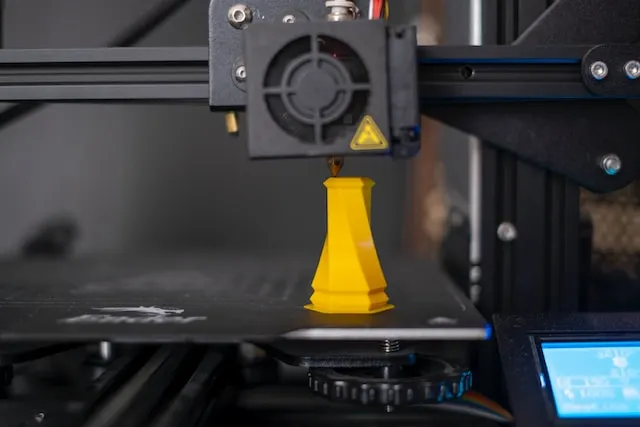
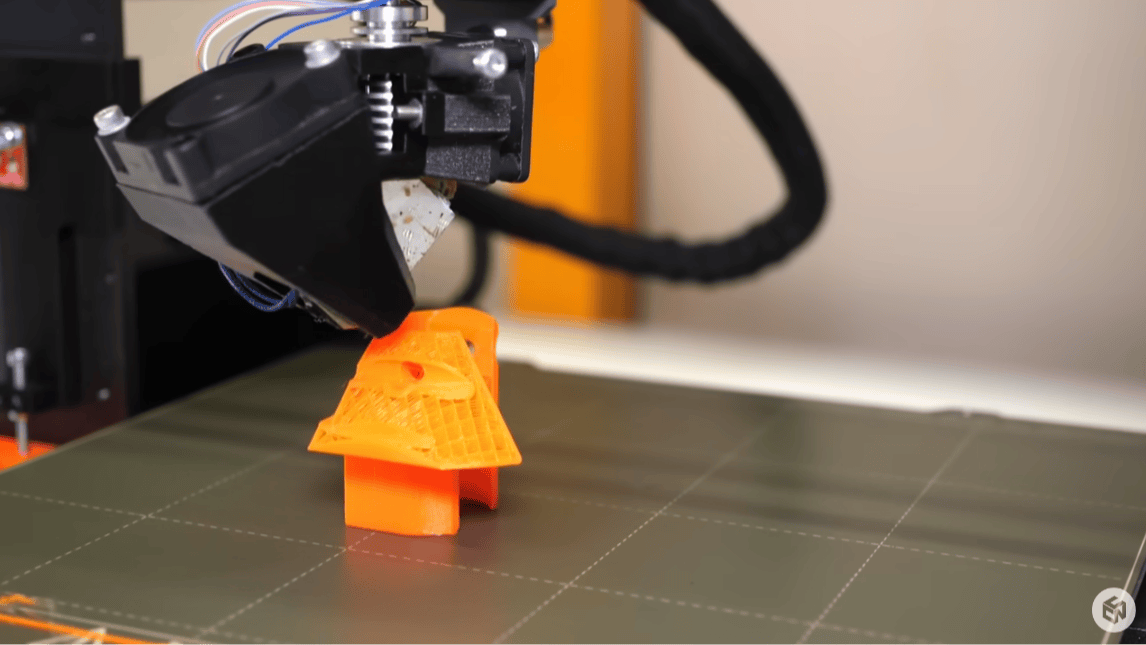
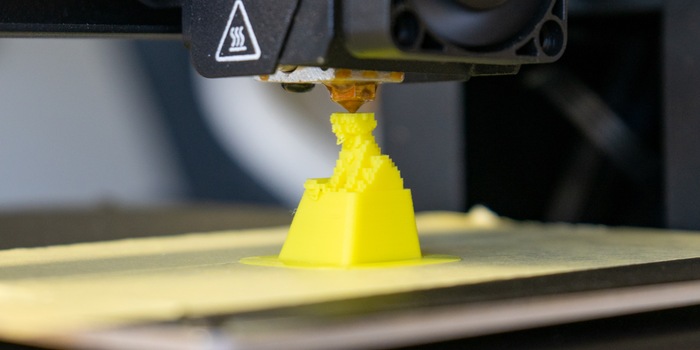
- Fused Deposition Modeling (FDM): Ideal for prototyping and non-structural parts using thermoplastics.
- Stereolithography (SLA): Provides high-resolution prints for detailed components and concept models.
- Selective Laser Sintering (SLS): Suitable for functional prototypes and small-batch production using nylon and composite powders.
- Direct Metal Laser Sintering (DMLS): Enables the creation of strong, complex metal parts for demanding applications.
Material selection is critical, as automotive parts must withstand mechanical stress, temperature fluctuations, and exposure to chemicals. Ongoing research is focused on developing new alloys, composites, and high-performance polymers to expand the range of printable automotive components.
Benefits and Challenges of Additive Manufacturing in the Auto Industry
Integrating 3D printing into automotive production offers several compelling benefits:
- Reduced lead times: Parts can be produced on-demand, shortening development and repair cycles.
- Lower costs: Eliminates the need for expensive tooling, especially for low-volume or custom parts.
- Design freedom: Enables the creation of complex geometries that are difficult or impossible with traditional manufacturing.
- Sustainability: Minimizes material waste and supports lightweighting for improved fuel efficiency.
However, there are also challenges to widespread adoption:
- Material limitations for certain high-stress applications
- Certification and regulatory hurdles for safety-critical components
- Scaling up production for mass-market vehicles
- Integration with existing manufacturing processes and supply chains
Despite these challenges, ongoing research and investment are steadily overcoming barriers, making additive manufacturing an increasingly mainstream solution in the automotive world.
Emerging Trends and the Future of Automotive Additive Manufacturing
The future of automotive 3D printing innovations looks promising, with several trends shaping the next generation of vehicles:
- Digital inventory and on-demand production: Manufacturers are moving toward digital warehouses, where parts are printed as needed, reducing physical inventory and logistics costs.
- Multi-material and hybrid printing: Combining different materials in a single print job enables the creation of multifunctional parts with tailored properties.
- Integration with smart manufacturing: 3D printing is being combined with AI, IoT, and robotics for fully automated, flexible production lines.
- Greater personalization: As additive manufacturing becomes more accessible, automakers can offer customers unique, made-to-order features and accessories.
For a deeper dive into the basics of this technology, see this comprehensive overview of 3D printing and its applications.
As these trends continue, the line between prototyping and production will blur, unlocking new possibilities for vehicle design, manufacturing efficiency, and customer experience.
Related Developments in Printing and Manufacturing
The impact of additive manufacturing extends beyond the automotive sector. For example, the fashion industry is also experiencing a transformation through advanced printing techniques. If you’re interested in how these technologies are shaping other fields, explore topics like the future of smart textiles and advanced printing or the benefits of localized printing for global brands. These developments highlight the growing importance of digital and additive manufacturing across a range of industries.
Frequently Asked Questions
What are the main advantages of using 3D printing in automotive manufacturing?
The primary benefits include faster prototyping, reduced tooling costs, greater design flexibility, and the ability to produce complex or custom parts on demand. Additive manufacturing also supports sustainability by minimizing waste and enabling lightweight designs.
Can 3D printed parts be used in production vehicles?
Yes, many automakers are now using 3D printed components in production vehicles, especially for custom, low-volume, or hard-to-source parts. Advances in materials and certification processes are making it possible to use additive manufacturing for more critical and high-performance applications.
How does 3D printing support automotive innovation?
By enabling rapid iteration and reducing development barriers, additive manufacturing allows designers and engineers to experiment with new ideas, optimize part performance, and bring innovative concepts to market more quickly. This leads to better vehicles and a more agile manufacturing process.