Large-scale food businesses face unique challenges when it comes to ensuring product safety, regulatory compliance, and brand consistency. Food-safe packaging for large enterprises is not just about wrapping food—it’s a critical component of quality assurance, supply chain efficiency, and consumer trust. In this guide, we’ll break down what food-safe packaging means for major organizations, the materials and standards involved, and how to make informed decisions for your business.
With increasing scrutiny from regulators and consumers alike, understanding the essentials of safe packaging is vital. Whether you’re managing a multinational food brand or overseeing operations for a growing enterprise, knowing the right practices can help you avoid costly recalls, protect your reputation, and meet evolving sustainability goals.
For businesses interested in exploring innovative printing and packaging solutions, understanding the benefits of localized printing for global brands can also play a significant role in streamlining operations and enhancing product appeal.
Why Food-Safe Packaging Matters for Large Organizations
When dealing with high production volumes and widespread distribution, the stakes are higher. Food-safe packaging for large enterprises ensures that products remain uncontaminated from the point of manufacture to the consumer’s hands. This is crucial for:
- Regulatory compliance: Meeting food safety standards set by authorities such as the FDA, EFSA, or local health agencies.
- Brand protection: Preventing recalls and negative publicity due to contamination or packaging failures.
- Consumer safety: Minimizing risks of foodborne illnesses and allergic reactions.
- Operational efficiency: Reducing waste, spoilage, and logistical complications.
Key Materials Used in Safe Food Packaging
Selecting the right materials is fundamental. Enterprises must balance safety, cost, sustainability, and performance. Common materials include:
- Plastics: Widely used for their versatility and barrier properties. Types like PET, HDPE, and PP are popular for bottles, trays, and wraps.
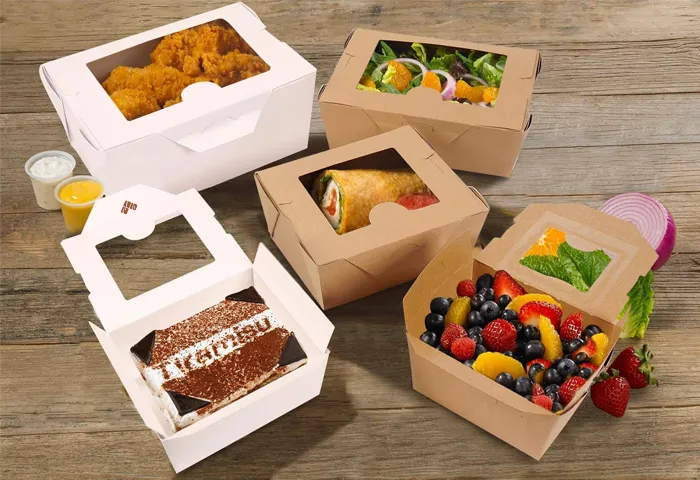
- Paper and cardboard: Often used for dry goods and secondary packaging. Must be treated or coated to prevent grease and moisture penetration.
- Glass: Inert and impermeable, making it ideal for beverages and preserves, though heavier and more fragile.
- Metals: Aluminum and tinplate are common for cans and foils, providing excellent protection from light, oxygen, and contaminants.
- Biodegradable and compostable options: Increasingly adopted for sustainability, though they must still meet food safety standards.
For a detailed overview of material options and their properties, see this guide to types of food packaging materials.

Regulations and Certifications for Enterprise-Scale Food Packaging
Compliance is non-negotiable for major food businesses. Packaging must adhere to strict standards that vary by region and product type. Key considerations include:
- FDA (U.S.): Regulates materials in contact with food, requiring pre-market approval for certain substances.
- EFSA (Europe): Sets migration limits and safety assessments for packaging materials.
- ISO standards: International benchmarks for food safety management (e.g., ISO 22000).
- Third-party certifications: Such as BRCGS, SQF, and HACCP, which demonstrate adherence to global best practices.
Large enterprises often operate across borders, so harmonizing compliance efforts is essential. This may involve working closely with suppliers, conducting regular audits, and maintaining thorough documentation.
Design and Functionality Considerations
Beyond safety, packaging must also be functional and appealing. Enterprises need solutions that support branding, logistics, and consumer experience. Key design factors include:
- Barrier properties: Protecting against moisture, oxygen, light, and contaminants.
- Seal integrity: Ensuring tamper-evidence and leak prevention.
- Ease of use: User-friendly openings, resealable features, and clear labeling.
- Branding: Consistent colors, logos, and messaging across markets.
- Sustainability: Recyclable, compostable, or reusable options to meet consumer and regulatory demands.

Supply Chain and Quality Control for Safe Packaging
Managing food-safe packaging for large enterprises requires robust supply chain oversight. This includes:
- Supplier vetting: Ensuring all partners meet food safety and quality standards.
- Traceability: Tracking packaging materials from source to finished product.
- Batch testing: Regularly sampling packaging for contaminants or migration risks.
- Documentation: Keeping detailed records for audits and recalls.
Automation and digital tracking systems can help streamline these processes, reduce errors, and improve transparency.
Trends and Innovations in Enterprise Food Packaging
The landscape is rapidly evolving as new technologies and consumer expectations shape the industry. Key trends include:
- Smart packaging: Incorporating sensors or QR codes for freshness tracking and consumer engagement.
- Eco-friendly materials: Shifting toward plant-based plastics, recycled content, and minimalistic designs.
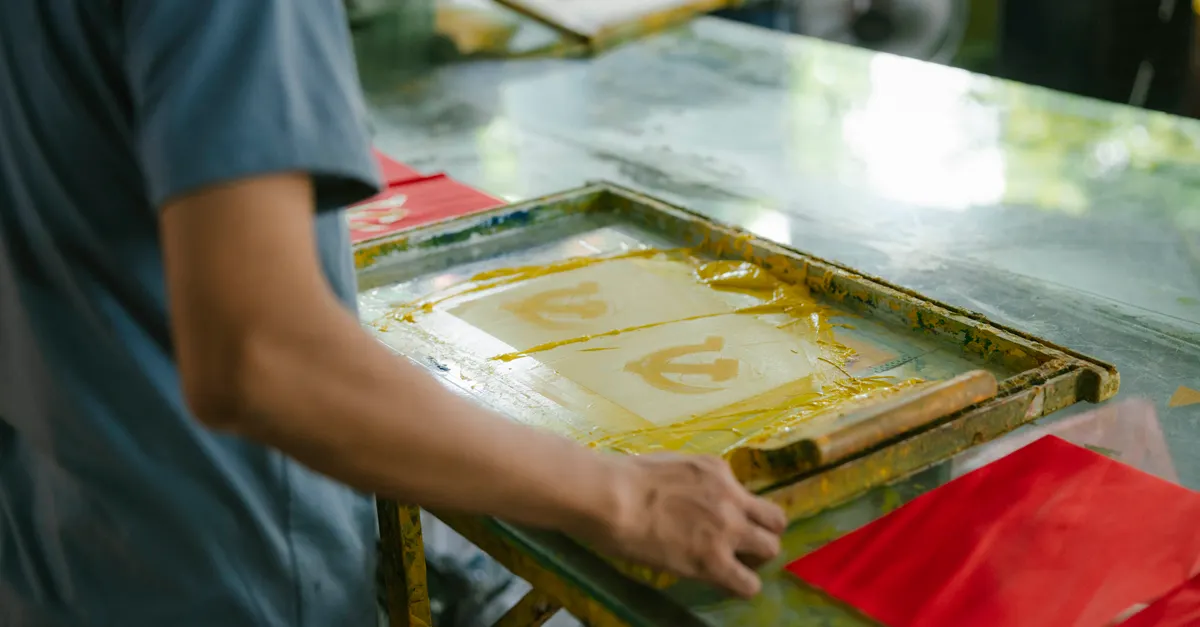
- Advanced printing techniques: Enabling high-quality graphics, anti-counterfeit features, and localized branding. For more on this, see our article on how to use digital printing for fashion trend forecasting.
- Personalization: Customizing packaging for different regions, demographics, or promotional campaigns.
Staying ahead of these trends can help enterprises differentiate their products and meet the changing demands of both regulators and consumers.
Best Practices for Implementing Food-Safe Packaging at Scale
To ensure success, large organizations should follow these best practices:
- Conduct regular risk assessments to identify potential hazards in materials and processes.
- Standardize specifications across all locations and suppliers to maintain consistency.
- Invest in staff training on food safety, packaging handling, and quality control.
- Engage with industry groups and stay updated on regulatory changes and emerging technologies.
- Prioritize sustainability without compromising safety or performance.
By embedding these practices into your operations, you can reduce risks, improve efficiency, and build long-term trust with customers and stakeholders.
Frequently Asked Questions
What are the most important regulations for food-safe packaging in global enterprises?
Major regulations include FDA rules in the United States, EFSA standards in Europe, and international certifications like ISO 22000. Enterprises must ensure compliance with all relevant authorities in every market where their products are sold.
How can large companies ensure their packaging suppliers meet food safety standards?
It’s essential to vet suppliers thoroughly, require third-party certifications, conduct regular audits, and maintain clear documentation. Traceability systems and batch testing further help verify compliance.
Are sustainable packaging materials safe for food contact?
Yes, but only if they meet the same food safety standards as traditional materials. Biodegradable and compostable options must be tested for chemical migration and approved by relevant authorities before use in food applications.
Conclusion
For major food businesses, safe packaging is a cornerstone of quality, compliance, and consumer satisfaction. By understanding material options, regulatory requirements, and best practices, enterprises can protect their products and reputation while adapting to new trends and sustainability goals. Staying informed and proactive is key to success in this complex, fast-evolving field.