Understanding the curing temperature for plastisol ink is essential for achieving durable, long-lasting prints in screen printing. If the ink is not properly cured, prints can crack, peel, or wash out prematurely, leading to dissatisfied customers and wasted materials. This guide offers a comprehensive look at the recommended temperature ranges, why proper curing matters, and practical tips for consistent results in your print shop.
For those interested in the broader context of textile printing and innovation, you might also want to explore what is the future of smart textiles and printing to see how curing processes fit into the evolving world of fabric technology.
Understanding Plastisol Ink and Its Curing Process
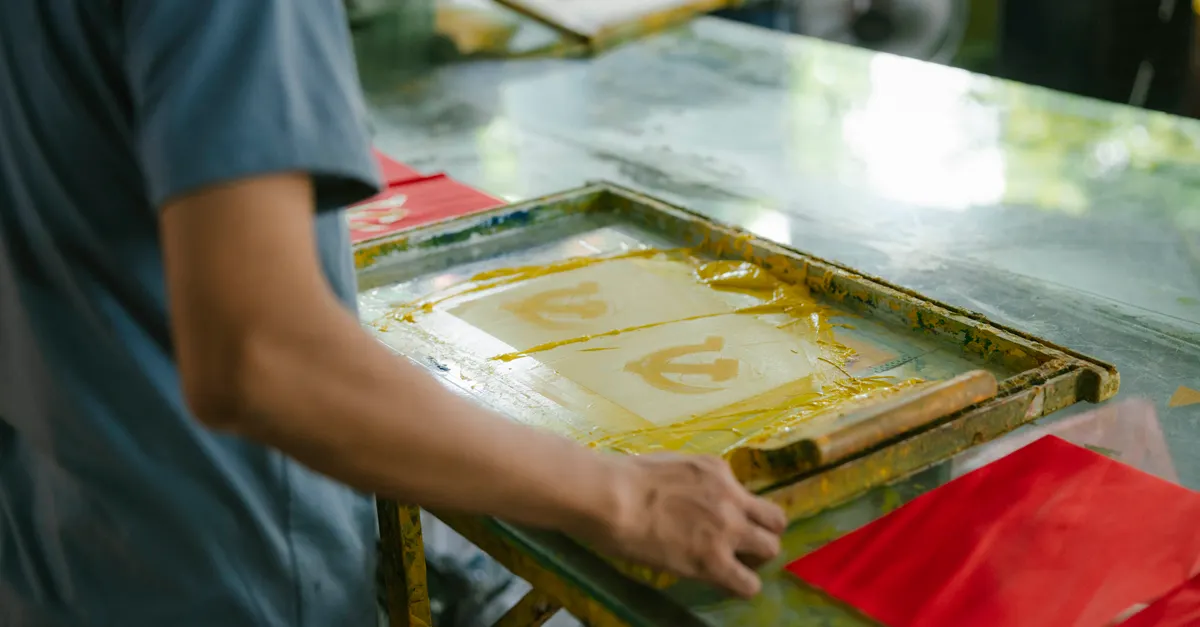
Plastisol ink is a popular choice in screen printing because of its vibrant colors, versatility, and ability to sit on top of fabrics without soaking in. Unlike water-based inks, plastisol does not dry through evaporation. Instead, it requires heat to cure, which causes the PVC particles and plasticizers in the ink to fuse together and bond to the fabric.
The curing process is not just about drying the surface. Proper heat ensures the ink film is fully fused throughout its thickness, resulting in a flexible and durable print. Inadequate curing can lead to prints that feel sticky, crack, or wash away after a few cycles in the laundry.
Recommended Curing Temperature for Plastisol Ink
The industry standard for curing plastisol ink is typically 320°F (160°C). However, some ink manufacturers may specify a range between 300°F and 330°F (149°C–166°C). Always check the technical data sheet for your specific ink brand, as formulations can vary.
To ensure the ink is fully cured:
- The entire ink layer (not just the surface) must reach the recommended temperature.
- Use a temperature probe or heat gun to check the ink’s temperature, not just the air inside the dryer.
- Conveyor dryers, flash cure units, and heat presses are commonly used for this process.
Factors Affecting Curing Temperature and Time
While the target temperature is straightforward, several variables can impact how quickly and evenly plastisol ink cures:
- Ink Thickness: Thicker ink deposits require more time and consistent heat to cure through the entire layer.
- Fabric Type: Heavier garments or blends may absorb heat differently, affecting curing efficiency.
- Dryer Type and Settings: Conveyor dryers provide the most consistent results, but flash cure units and heat presses can work for small runs or specialty prints.
- Airflow and Humidity: Poor airflow or high humidity can slow down the curing process or cause uneven results.
It’s important to run test prints and adjust your dryer speed and temperature settings based on actual results, not just manufacturer recommendations.
How to Test for Proper Curing
Even if you set your dryer to the correct temperature, it’s crucial to verify that your prints are fully cured. Here are some practical methods:
- Stretch Test: Gently stretch the print. If the ink cracks or flakes, it’s likely undercured.
- Wash Test: Wash the garment a few times. Properly cured ink should not fade, crack, or peel.
- Temperature Probe: Use a donut probe or laser thermometer to check the ink’s temperature during curing.
- Rub Test: Rub the print with a white cloth. If ink transfers, curing was insufficient.
Consistent testing helps maintain quality and reduces costly reprints or customer complaints.
Common Problems from Incorrect Curing
Failing to cure plastisol ink at the correct temperature can lead to several issues:
- Undercuring: Results in prints that are sticky, crack easily, or wash out quickly.
- Overcuring: Excessive heat can scorch fabrics, dull ink colors, or cause the print to become brittle.
- Inconsistent Curing: Uneven heat distribution can leave some areas undercured and others overcured on the same garment.
To avoid these problems, monitor your equipment regularly and calibrate your dryer as needed.
Tips for Achieving Consistent Results
For professional-quality prints, follow these best practices:
- Preheat your dryer before starting production runs.
- Load garments consistently to ensure even exposure to heat.
- Use a temperature probe to check ink temperature on test prints throughout the run.
- Keep dryer belts clean and free of lint or debris that could block airflow.
- Document your settings for each ink and garment type to speed up future jobs.
Comparing Plastisol Curing to Other Ink Types
While plastisol is the industry standard for many applications, other inks like water-based, discharge, and hybrid inks have different curing requirements. For example, water-based inks often require higher temperatures and longer dwell times, while discharge inks need precise control to activate their chemical reaction.
If you’re interested in exploring alternative printing methods and their impact on the fashion industry, check out how to use digital printing for fashion trend forecasting for insights into modern techniques.
Integrating Curing Knowledge into Your Workflow
Mastering the curing process is a foundation for any successful screen printing operation. By understanding the science behind plastisol ink and the importance of reaching the correct temperature, you can produce prints that are both visually appealing and built to last.
For those setting up a new print shop or looking to optimize their workflow, learning about how to set up a small scale fashion printing studio can provide additional tips for equipment selection and process control.
Further Resources and Industry Trends
The world of textile printing is rapidly evolving, with new technologies and materials emerging every year. Staying informed about best practices and industry standards ensures your prints meet customer expectations and stand out in a competitive market.
To dive deeper into digital fabric printing and its advantages, you may find this comprehensive overview of digital fabric printing helpful for understanding how curing fits into the broader landscape of textile decoration.
Frequently Asked Questions
How can I tell if plastisol ink is fully cured?
The best way to confirm full curing is to use a temperature probe to check that the ink layer has reached the recommended temperature throughout. Additionally, performing a stretch test and a wash test can help verify that the print will not crack, peel, or wash out.
What happens if I cure plastisol ink at too high a temperature?
Excessive heat can cause the ink to become brittle, dull the colors, or even scorch the garment. It may also lead to shrinkage or distortion of synthetic fabrics. Always follow the ink manufacturer’s guidelines and monitor your dryer settings closely.
Can I use a household oven or iron to cure plastisol ink?
While it is technically possible to cure small prints with a household oven or iron, these methods are not recommended for professional results. They often provide inconsistent heat, which can result in undercured or overcured prints. Investing in a proper conveyor dryer or heat press is the best way to ensure reliable outcomes.