Reflective printing has become a significant innovation in both safety and fashion apparel, offering enhanced visibility and unique design possibilities. Whether for high-visibility workwear or statement-making streetwear, this technology blends function with style. Understanding what is reflective printing for safety and fashion helps brands, designers, and consumers make informed choices about materials, applications, and benefits.
This guide explores how reflective printing works, its main uses in protective clothing and fashion-forward garments, and what to consider when choosing or producing reflective-printed apparel. For those interested in the broader landscape of textile innovation, you might also want to read about what is the future of smart textiles and printing to see how these technologies are shaping the industry.
Understanding Reflective Printing Technology
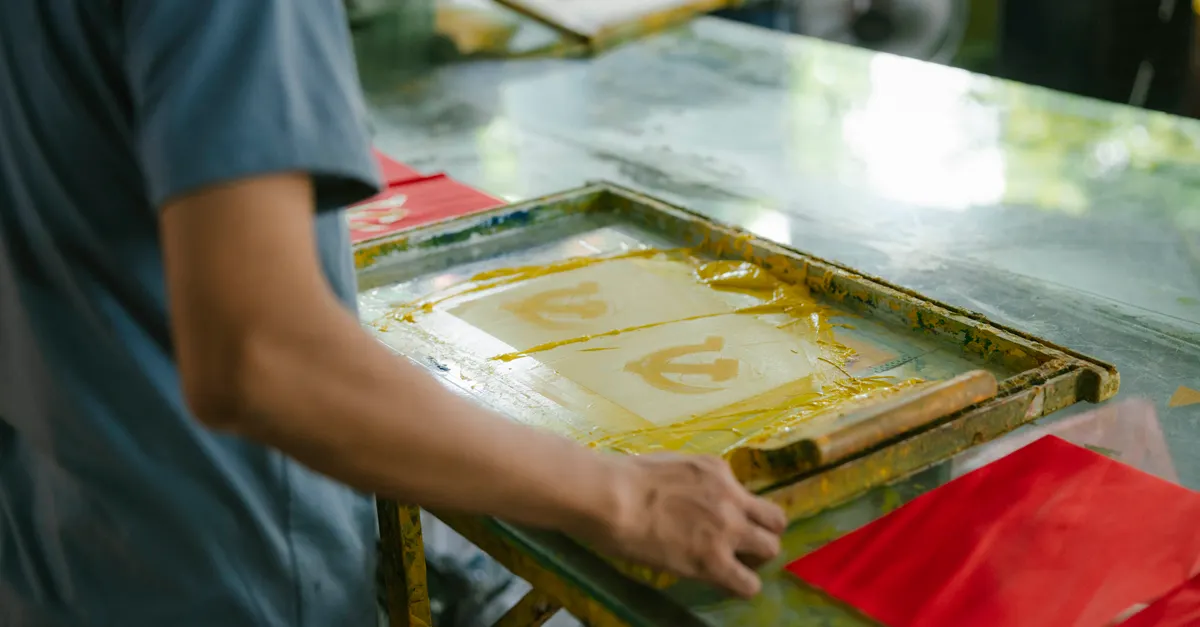
At its core, reflective printing involves applying special inks or films containing microscopic glass beads or prismatic materials onto fabric surfaces. These materials reflect light back toward its source, making the printed areas highly visible in low-light conditions. The process can be achieved through several methods, including screen printing, heat transfer, and digital printing.
The reflective effect is not just a surface coating; it is engineered to withstand repeated washing and wear, ensuring durability for both safety and fashion applications. The choice of printing method, type of reflective material, and garment fabric all influence the final result.
How Reflective Printing Enhances Safety Apparel
In the realm of safety clothing, reflective printing is essential for increasing visibility in hazardous environments. Workers in construction, road maintenance, emergency services, and logistics often wear garments with reflective elements to ensure they are seen by drivers and machinery operators, especially at night or in poor weather.
- High-visibility vests and jackets often feature reflective stripes or logos that meet regulatory standards for workplace safety.
- Sportswear for runners, cyclists, and outdoor enthusiasts frequently incorporates reflective prints to enhance nighttime visibility.
- Children’s outerwear and backpacks may use reflective motifs for added protection during commutes.
The effectiveness of reflective printing in these contexts depends on the placement, size, and intensity of the printed areas. Regulatory bodies often specify minimum requirements for reflective surface area and performance, ensuring that garments provide adequate protection.
Reflective Printing in Fashion and Streetwear
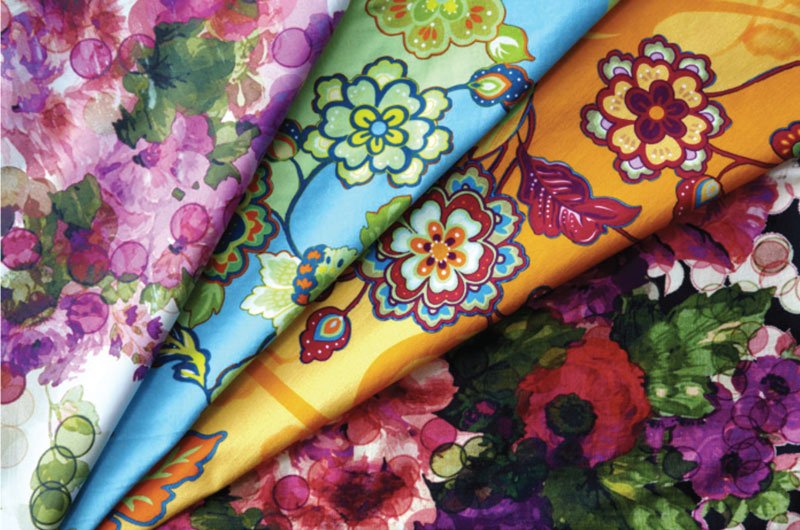
Beyond safety, reflective printing for fashion has become a trend in contemporary apparel. Designers use reflective elements to create eye-catching graphics, logos, and patterns that change appearance under different lighting conditions. This dynamic quality appeals to consumers seeking both style and functionality.
Some popular uses in fashion include:
- Statement pieces such as jackets, hoodies, and sneakers with reflective logos or trims.
- Festival and nightlife apparel that glows under flash photography or stage lights.
- Collaborations between sportswear and luxury brands, blending performance with high-end aesthetics.
Reflective printing allows for creative expression while maintaining a practical edge. The technology is compatible with various fabrics, including cotton, polyester, and technical blends, making it versatile for different garment types.
Key Methods Used in Reflective Printing
Several techniques are employed to achieve reflective effects on textiles. The choice depends on production scale, design complexity, and desired durability.
- Screen Printing: Involves pushing reflective ink through a mesh stencil onto the fabric. Suitable for bold graphics and high-volume runs.
- Heat Transfer: Uses heat and pressure to bond reflective film or vinyl onto garments. Allows for detailed designs and is ideal for customizing small batches.
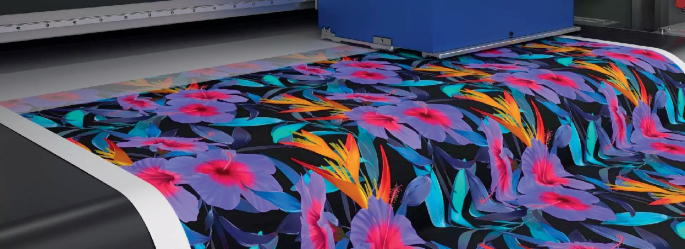
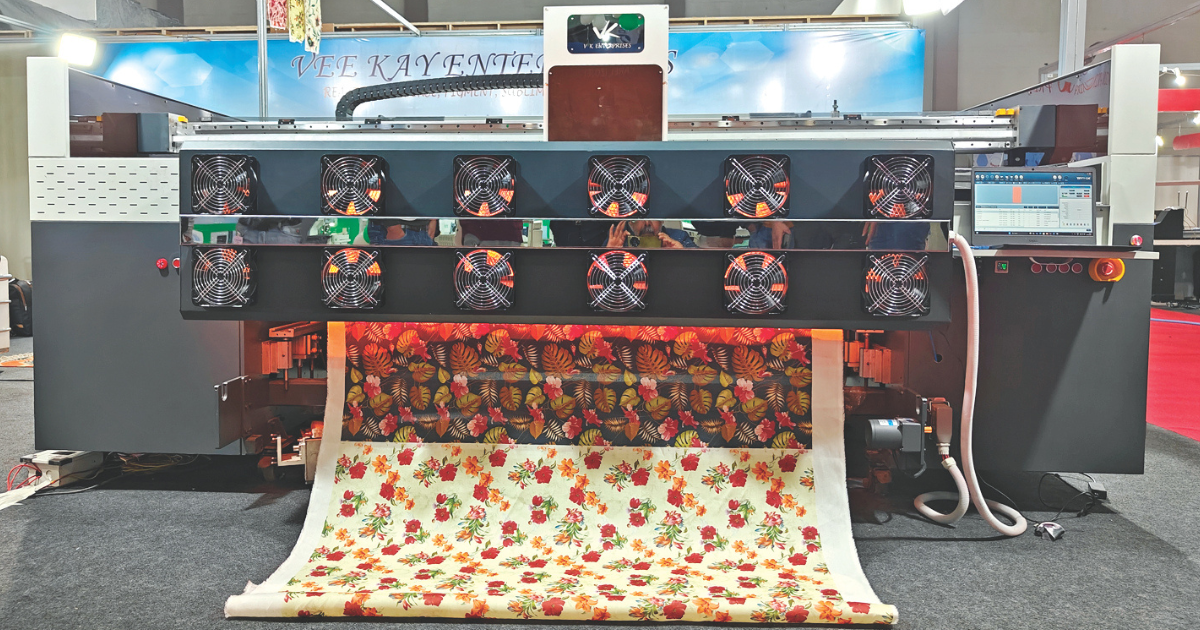
- Digital Printing: Advanced printers can deposit reflective inks directly onto textiles, enabling full-color images and gradients with reflective properties.
Each method offers unique advantages. For a deeper dive into digital textile printing, see this comprehensive overview of digital fabric printing processes.
Benefits of Reflective Printing for Both Safety and Fashion
The integration of reflective printing in apparel brings several notable advantages:
- Enhanced visibility: Critical for safety, reflective prints make wearers more noticeable in low-light environments.
- Design flexibility: Allows for creative graphics and branding that stand out, especially in the fashion sector.
- Durability: Modern reflective materials are engineered to last through repeated washing and wear.
- Versatility: Suitable for a wide range of garments, from industrial uniforms to high-end fashion collections.
These benefits make reflective printing a valuable tool for both functional and aesthetic purposes, supporting the needs of diverse industries and consumer preferences.
Considerations When Choosing Reflective Printing for Apparel
Selecting the right reflective printing approach involves several factors:
- Intended use: Safety garments may require compliance with specific standards, while fashion items prioritize design impact.
- Fabric compatibility: Not all reflective materials adhere equally well to every textile; testing is essential.
- Care instructions: Some reflective prints require gentle washing or special handling to maintain performance.
- Cost and production scale: Screen printing is cost-effective for large runs, while digital and heat transfer methods suit smaller batches or complex designs.
Understanding these considerations helps brands and consumers make informed decisions about incorporating reflective elements into their collections or wardrobes.
Recent Innovations and Future Trends
The field of reflective printing continues to evolve. Recent advancements include color-shifting reflective inks, eco-friendly materials, and integration with smart textiles. As consumer demand for both safety and unique fashion statements grows, manufacturers are exploring new ways to combine visibility with style.
For those interested in how these developments intersect with broader industry changes, learning about how to use digital printing for fashion trend forecasting can provide additional insights into the future of apparel design and technology.
FAQ: Reflective Printing in Apparel
How does reflective printing differ from glow-in-the-dark printing?
Reflective printing relies on materials that bounce light back to its source, making the garment visible when illuminated by headlights or flashlights. In contrast, glow-in-the-dark printing absorbs light and emits it in darkness, glowing without an external light source.
Can reflective prints be applied to any type of fabric?
Most reflective materials work well with common textiles like cotton, polyester, and blends. However, adhesion and durability may vary, so it’s important to test the process on the intended fabric before full-scale production.
Are there regulations for reflective safety apparel?
Yes, many countries have standards specifying the amount, placement, and performance of reflective elements on safety garments. These regulations ensure that workers are adequately protected in hazardous environments.
Conclusion
Reflective printing bridges the gap between safety and style, offering practical benefits and creative opportunities for apparel makers and wearers alike. As technology advances, expect to see even more innovative applications in both protective clothing and fashion-forward designs. Whether you’re outfitting a workforce or designing the next streetwear hit, understanding the principles and possibilities of reflective printing is key to making informed, impactful choices.