The rapid growth of food delivery platforms has transformed how people access meals. With this shift, the importance of food-safe packaging for delivery has never been higher. Ensuring that food reaches customers fresh, uncontaminated, and visually appealing is crucial for both customer satisfaction and regulatory compliance. Choosing the right packaging not only protects the food but also reflects a brand’s commitment to quality and safety.
Modern consumers expect more than just convenience—they want assurance that their meals are handled with care from kitchen to doorstep. This guide explores the essentials of safe packaging for food delivery, including material choices, regulatory standards, and practical tips for food businesses. For those interested in innovative approaches to packaging and printing, you may also want to read about what is the future of smart textiles and printing.

Why Food-Safe Packaging Matters for Delivery
The journey from restaurant to customer is full of potential hazards. Without proper packaging, food can be exposed to contaminants, temperature fluctuations, and physical damage. Food-safe packaging for delivery is designed to address these risks by providing a barrier against bacteria, moisture, and external elements. This not only preserves the food’s integrity but also helps businesses comply with health and safety regulations.
A well-chosen packaging solution can also enhance the customer experience. Secure, leak-proof containers prevent spills, while insulated options keep hot foods warm and cold foods chilled. The right materials can even help reduce environmental impact, an increasingly important consideration for eco-conscious consumers.
Types of Food-Safe Packaging Materials
Selecting the right packaging material is essential for maintaining food safety and quality. Here are some commonly used options in the delivery industry:
- Plastic Containers: Widely used for their durability and leak resistance. Look for BPA-free and food-grade plastics to ensure safety.
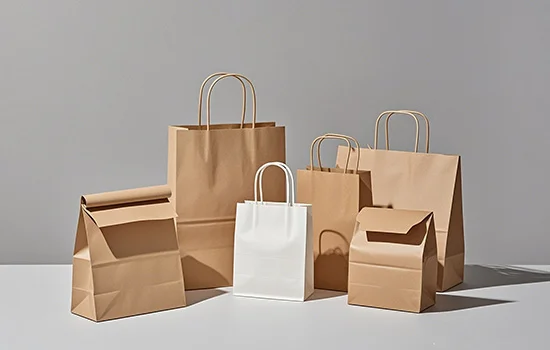
- Paper and Cardboard: Ideal for dry foods and baked goods. Many paper-based options are compostable or recyclable, making them a sustainable choice.
- Aluminum Foil: Excellent for retaining heat and preventing moisture loss. Often used for hot meals and baked items.
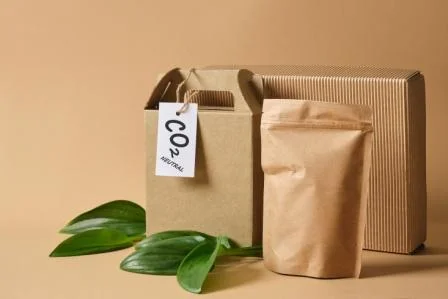
- Biodegradable and Compostable Materials: Made from plant-based sources, these are increasingly popular for their minimal environmental impact.
For a deeper dive into the advantages and disadvantages of various packaging types, you can refer to this comprehensive overview of food packaging materials.
Regulatory Standards and Compliance
Food packaging for delivery must meet strict regulatory standards to ensure consumer safety. In most countries, packaging materials that come into direct contact with food are required to be non-toxic, odorless, and free from harmful chemicals. Businesses should verify that their suppliers provide certifications such as FDA approval (in the United States) or equivalent standards in other regions.
Labels and documentation are also important. Packaging should clearly indicate whether it is microwave-safe, freezer-safe, or compostable. This transparency helps customers make informed choices and builds trust in your brand.
Best Practices for Choosing Food-Safe Packaging for Delivery
When selecting packaging for your delivery service, consider the following best practices:
- Match Packaging to Food Type: Use containers that suit the temperature, texture, and moisture content of the food. For example, soups require leak-proof lids, while salads benefit from breathable containers.
- Prioritize Tamper-Evidence: Tamper-evident seals or stickers reassure customers that their food hasn’t been altered during transit.
- Opt for Sustainable Solutions: Whenever possible, choose recyclable, compostable, or reusable packaging to minimize environmental impact.
- Test for Durability: Ensure that packaging can withstand the rigors of delivery, including stacking, jostling, and temperature changes.
- Branding and Information: Custom-printed packaging can reinforce your brand and provide important information such as reheating instructions or allergen warnings.
Emerging Trends in Safe Packaging for Food Delivery
The packaging industry is evolving rapidly to meet the demands of modern food delivery. Some notable trends include:
- Smart Packaging: Technologies such as temperature indicators and freshness sensors help monitor food safety during transit.
- Eco-Friendly Innovations: Brands are increasingly adopting biodegradable films, edible packaging, and reusable containers to reduce waste.
- Personalization: Custom packaging designs enhance brand recognition and can improve customer loyalty.
These trends not only improve safety but also align with consumer expectations for sustainability and transparency.
Challenges and Solutions in Maintaining Food Safety During Delivery
Despite advances in packaging, several challenges persist in ensuring food safety during delivery:
- Temperature Control: Hot foods must remain above 60°C (140°F), and cold foods below 5°C (41°F) to prevent bacterial growth. Insulated bags and containers are essential.
- Cross-Contamination: Separate packaging for allergen-containing foods and clear labeling can help prevent accidental exposure.
- Moisture and Condensation: Ventilated packaging or moisture-absorbing inserts can reduce sogginess and preserve texture.
By addressing these challenges with the right packaging solutions, businesses can maintain high standards of food safety and quality throughout the delivery process.
Frequently Asked Questions
What materials are considered safe for food delivery packaging?
Safe materials include food-grade plastics, aluminum foil, paper, cardboard, and certified biodegradable options. Always look for packaging that is labeled as food-safe and compliant with local regulations.
How can I ensure my packaging is environmentally friendly?
Choose recyclable, compostable, or reusable packaging whenever possible. Many suppliers now offer eco-friendly options made from plant-based materials or recycled content.
What features should I look for in packaging to keep food fresh during delivery?
Look for leak-proof seals, insulation for temperature control, and tamper-evident closures. Ventilated lids can help prevent condensation for fried or crispy foods, while sturdy materials protect against crushing and spills.