Finding the right collaborator for your fabric printing needs can make a significant difference in the quality, efficiency, and long-term success of your textile projects. Whether you’re a fashion brand, home décor business, or an independent designer, selecting a reliable provider is a crucial step. There are many factors to consider, from print quality and technology to turnaround times and customer service. In this guide, we’ll explore essential tips for choosing a textile printing partner that aligns with your business goals and creative vision.
Before diving into the key considerations, it’s worth noting how the textile printing landscape is evolving. For those interested in future trends and innovations, you might find this article on what is the future of smart textiles and printing particularly insightful.
Understanding Your Textile Printing Needs
Before reaching out to potential providers, clarify your specific requirements. Consider the following:
- Type of fabric: Are you working with cotton, silk, polyester, or blends? Not all printers handle every material.
- Print method: Do you need digital, screen, or sublimation printing? Each method has unique benefits and limitations.
- Order volume: Are you producing small runs for sampling or large batches for retail?
- Color accuracy and detail: Some projects require high-resolution prints and precise color matching.
Defining these factors will help you communicate effectively with potential partners and quickly identify those who can meet your needs.
Evaluating Print Quality and Technology
One of the most important tips for choosing a textile printing partner is to assess the quality of their output. Request physical samples or review their portfolio to evaluate:
- Sharpness and clarity of printed designs
- Color vibrancy and consistency across batches
- Wash and rub fastness to ensure prints last over time
- Range of print techniques offered (e.g., reactive, pigment, dye-sublimation)
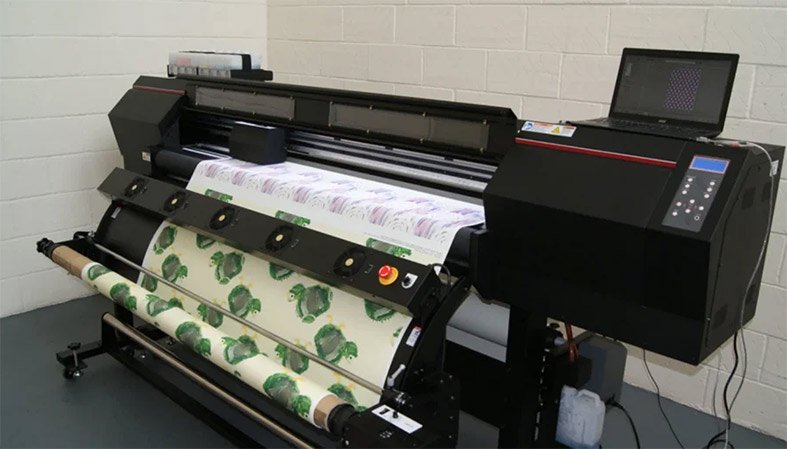
Modern digital printing technologies can deliver exceptional results, especially for intricate patterns and short runs. If you’re interested in how digital methods are shaping the industry, explore this resource on digital textile printing advancements for more details.
Assessing Experience and Reputation
Experience matters when it comes to textile printing. Look for partners with a proven track record in your industry or with your preferred materials. Check for:
- Years in business and client testimonials
- Case studies or references from similar projects
- Industry certifications or awards
- Active participation in trade shows or professional organizations
Reputation can be a strong indicator of reliability and quality. Don’t hesitate to ask for references or to read independent reviews online.
Comparing Turnaround Times and Flexibility
Production speed can be a deciding factor, especially for businesses with tight deadlines or seasonal launches. When comparing providers, ask about:
- Average turnaround times for sampling and bulk orders
- Rush order capabilities and associated costs
- Flexibility to accommodate changes in design or volume
- Communication protocols for order updates
A responsive and adaptable partner can help you navigate unexpected challenges and keep your projects on schedule.
Transparency in Pricing and Minimums
Clear and upfront pricing is essential to avoid surprises. Key points to clarify include:
- Cost per yard or meter for various print methods
- Setup fees, color matching charges, or sampling costs
- Minimum order quantities and price breaks for larger runs
- Shipping, customs, and handling fees
Request detailed quotes and compare them side by side. Be wary of hidden fees or vague estimates.
Customer Service and Communication
Effective communication is a hallmark of a professional textile printing provider. Consider how quickly and thoroughly they respond to inquiries. Are they proactive in offering suggestions or solutions? Reliable partners will:
- Assign a dedicated account manager or point of contact
- Provide regular updates throughout the production process
- Offer clear timelines and set expectations
- Be transparent about potential issues or delays
Good customer service fosters trust and can help prevent costly mistakes or misunderstandings.
Environmental and Ethical Considerations
Sustainability is increasingly important in the textile industry. If environmental responsibility matters to your brand, ask about:
- Eco-friendly inks and dyes
- Water and energy usage in production
- Waste management and recycling practices
- Certifications such as OEKO-TEX or GOTS
Ethical labor practices and local sourcing can also be important factors, especially for brands committed to responsible production. For more on the advantages of working with regional suppliers, see the benefits of localized printing for global brands.
Testing and Sampling Process
Before committing to large orders, it’s wise to request samples. This allows you to:
- Assess print quality and color accuracy on your chosen fabric
- Test washability and durability
- Confirm that the final product meets your expectations
Some providers offer sample swatches for a nominal fee or as part of the onboarding process. Use this opportunity to evaluate their attention to detail and willingness to collaborate on adjustments.
Long-Term Partnership Potential
Building a lasting relationship with your print provider can lead to better pricing, priority service, and a deeper understanding of your brand’s needs. Look for companies that:
- Invest in ongoing technology upgrades
- Offer design support or value-added services
- Demonstrate a commitment to continuous improvement
Strong partnerships can help you stay competitive as trends and technologies evolve. For those interested in leveraging new techniques for trend forecasting, check out this guide on how to use digital printing for fashion trend forecasting.
FAQ: Textile Printing Partner Selection
What should I look for in a textile printing provider’s portfolio?
Review their portfolio for a range of fabric types, print methods, and design complexity. Look for evidence of consistent quality, vibrant colors, and attention to detail. If possible, request physical samples to assess the feel and durability of the prints.
How important is minimum order quantity when selecting a print partner?
Minimum order quantities (MOQs) can impact your ability to test new designs or manage inventory. If you’re a small brand or need flexibility, seek providers with low or negotiable MOQs. This allows you to scale production as your business grows without excessive upfront investment.
Are there advantages to working with local textile printers?
Local providers can offer faster turnaround times, lower shipping costs, and easier communication. They may also be more responsive to urgent requests or last-minute changes. Additionally, working locally can support sustainability goals and foster closer business relationships.
Conclusion
Choosing the right partner for your fabric printing projects requires careful research and clear communication. By focusing on print quality, technology, experience, pricing transparency, and customer service, you can find a collaborator who helps bring your creative vision to life. Don’t overlook the importance of sustainability and long-term partnership potential, as these factors can add significant value over time. With these tips for choosing a textile printing partner, you’ll be well-equipped to make an informed decision that supports your brand’s growth and reputation.