Choosing the right approach for printing on apparel fabrics is crucial for achieving vibrant, long-lasting results. Whether you’re working with synthetic textiles, natural fibers, or blended materials, understanding their unique properties can help you avoid common pitfalls and produce high-quality prints. This guide shares practical tips for printing on synthetic vs natural blends, covering preparation, ink compatibility, and process adjustments to help you get the best results for your apparel projects.
As the textile industry evolves, new technologies and materials are constantly emerging. If you’re interested in how these innovations are shaping the future, you may want to explore what is the future of smart textiles and printing for deeper insights into advanced printing trends.
Understanding Fabric Types: Synthetic, Natural, and Blends
Before diving into specific tips for printing on synthetic vs natural blends, it’s important to recognize the fundamental differences between these fabric categories:
- Synthetics (such as polyester, nylon, and spandex) are man-made fibers known for their durability, moisture-wicking properties, and resistance to shrinking. However, their smooth, non-absorbent surfaces can present challenges for ink adhesion.
- Natural fibers (like cotton, linen, and bamboo) are derived from plants or animals. They tend to absorb inks more readily, resulting in vibrant colors, but may shrink or distort if not handled properly.
- Blended fabrics combine synthetic and natural fibers, aiming to balance comfort, durability, and printability. The specific ratio of fibers affects how the material reacts to different printing processes.
Preparation: The Foundation of Successful Printing
Proper preparation is essential for achieving crisp, durable prints on any fabric. Here are some foundational steps for both synthetic and natural blends:
- Pre-wash garments to remove sizing agents, oils, or residues that could interfere with ink absorption or bonding.
- Check for shrinkage by washing a test swatch, especially with natural fibers, to prevent post-print distortion.
- Inspect for surface treatments (such as water repellents or anti-pilling finishes) that may affect print quality, particularly on synthetics.
- Test print on a small area or scrap piece to evaluate color vibrancy and adhesion before full production.
Ink and Process Selection: Matching to Fabric Type
The choice of ink and printing method is a key factor in achieving optimal results. Here’s how to approach ink selection for different fabric types:
Printing on Synthetic Fabrics
Synthetics like polyester and nylon require inks that can bond to smooth, non-porous surfaces. Here are some considerations:
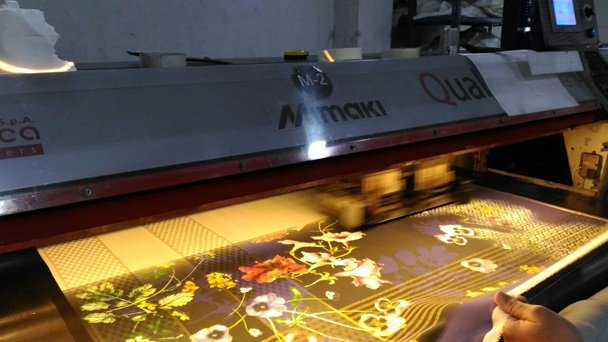
- Disperse dyes and sublimation inks are ideal for polyester, producing vibrant, wash-resistant prints. Sublimation is especially effective for all-over designs and sportswear.
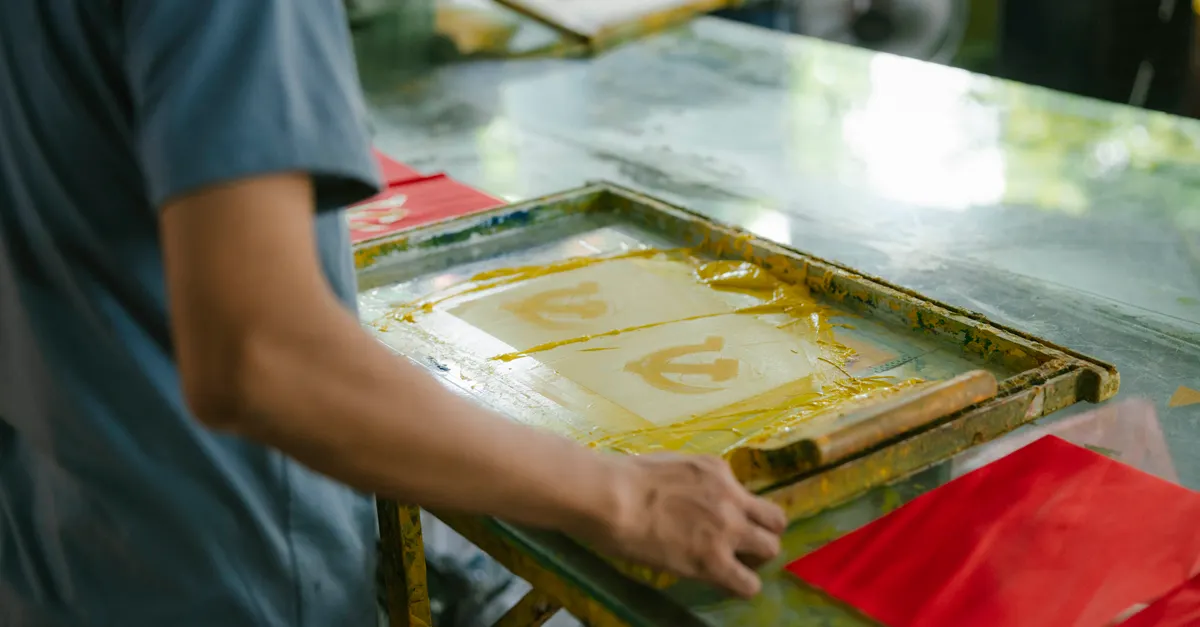
- Plastisol inks can be used for screen printing on synthetics, but may require special additives or higher curing temperatures to ensure proper adhesion.
- Pre-treatment may be necessary to enhance ink bonding, especially for direct-to-garment (DTG) printing on synthetic blends.
Printing on Natural Fiber Fabrics
Natural fibers like cotton and linen are generally more receptive to a wide range of inks:
- Water-based inks and reactive dyes deliver soft, breathable prints with excellent colorfastness on cotton and other absorbent fibers.
- Pigment inks can be used for digital printing, offering good coverage and color accuracy, though they may sit more on the surface compared to dyes.
- Heat setting is often required to lock in colors and improve wash durability.
Printing on Blended Fabrics
Blends present unique challenges, as the ink must interact with both fiber types. Consider these tips:
- For blends with high polyester content, sublimation or disperse dye printing is most effective.
- For blends with a majority of natural fibers, water-based or reactive inks may yield better results.
- Always check the fiber ratio and conduct a test print to determine the best process.
Process Adjustments for Different Fabrics
Adapting your printing process to the specific fabric is essential for quality and durability. Here are some practical adjustments:
- Temperature control: Synthetics are sensitive to high heat and can melt or distort. Use lower curing temperatures and shorter dwell times when possible.
- Pressure and dwell time: Adjust squeegee pressure (for screen printing) or press time (for heat transfers) to avoid crushing or distorting delicate fabrics.
- Ink thickness: Use thinner ink layers for synthetics to prevent cracking or peeling. Natural fibers can handle slightly heavier deposits.
- Moisture management: Ensure fabrics are dry before printing to avoid ink bleeding or uneven curing.
Common Challenges and How to Overcome Them
Printing on different fabric types can introduce a range of challenges. Here are some common issues and solutions:
- Color dullness on synthetics: Use high-energy inks and ensure proper pre-treatment for brighter, longer-lasting prints.
- Ink bleeding on natural fibers: Pre-wash and dry fabrics, and use inks formulated for absorbent materials to minimize bleeding.
- Cracking or peeling on blends: Select inks compatible with both fiber types and avoid excessive ink buildup.
- Ghosting or transfer marks: Use clean, lint-free surfaces and proper heat press settings to prevent unwanted marks.
Advanced Techniques and Industry Insights
As technology advances, new methods are making it easier to achieve professional results on all types of fabrics. For a comprehensive overview of digital fabric printing, including its advantages and limitations, check out this complete guide to digital fabric printing.
Additionally, if you’re interested in exploring creative approaches or working with unconventional materials, you might find value in learning how to print on cork and non-traditional materials for fashion applications.
Best Practices for Consistent Results
To ensure your printed apparel stands up to wear and washing, follow these best practices:
- Document your process for each fabric and ink combination, including temperature, pressure, and curing times.
- Maintain clean equipment to prevent contamination and color inconsistencies.
- Regularly calibrate your printers and presses for accurate, repeatable results.
- Stay informed about new inks, pre-treatments, and printing technologies as the industry evolves.
FAQ: Printing on Synthetic and Natural Fiber Blends
What is the best printing method for polyester-cotton blends?
For polyester-cotton blends, the ideal method depends on the fiber ratio. If polyester is the dominant fiber, sublimation printing delivers vibrant, durable results. For blends with more cotton, water-based or reactive inks are often preferable. Always test print to confirm ink compatibility and color vibrancy.
How can I prevent ink from washing out on synthetic fabrics?
To improve wash durability on synthetics, use inks specifically formulated for synthetic fibers, such as disperse dyes or sublimation inks. Proper pre-treatment and curing are also essential. Avoid excessive heat, which can damage the fabric and weaken ink adhesion.
Can I use the same ink for both natural and synthetic fabrics?
Most inks are optimized for either natural or synthetic fibers, not both. While some universal inks exist, they may not deliver the best results on all materials. For blended fabrics, choose inks designed for the dominant fiber or consult your supplier for recommendations.
Are there eco-friendly options for printing on blends?
Yes, several water-based and low-impact inks are available for both natural and synthetic blends. Look for certifications such as OEKO-TEX or GOTS to ensure your inks and processes meet environmental standards.
Conclusion
Mastering the art of printing on different apparel fabrics requires understanding the unique characteristics of synthetics, natural fibers, and blends. By tailoring your preparation, ink selection, and printing process to the specific material, you can achieve vibrant, durable, and professional results. Stay up to date with industry innovations and always test before full production to ensure consistent quality. For those looking to expand their skills further, consider exploring how to set up a small scale fashion printing studio at home for hands-on experimentation and growth in apparel printing.