When it comes to packaging food and beverages, safety is a top priority for both manufacturers and consumers. Food-safe packaging cups play a crucial role in preserving product quality, preventing contamination, and ensuring compliance with health regulations. Whether you’re in the food service industry, retail, or simply interested in how your favorite snacks and drinks are packaged, understanding the essentials of safe packaging materials is vital.
These cups are designed to come into direct contact with food and drinks, so they must meet strict standards for hygiene, chemical safety, and durability. The choice of material, manufacturing process, and even the printing methods used can all impact the safety and sustainability of these containers. For those interested in the intersection of packaging and modern printing, exploring topics like what is the future of smart textiles and printing can provide additional insights into industry trends.
What Makes a Packaging Cup Food-Safe?
Not all packaging is created equal. For a cup to be considered food-safe, it must be manufactured from materials that do not leach harmful substances into food or beverages. This includes plastics, paper, glass, and metals that have been tested and certified for food contact. Regulatory agencies such as the FDA (U.S. Food and Drug Administration) and EFSA (European Food Safety Authority) set the guidelines for what is considered safe.
Key characteristics of food-safe packaging cups include:
- Non-toxicity: Materials must not release dangerous chemicals, even when exposed to heat, cold, or acidic foods.
- Odorless and tasteless: The packaging should not alter the flavor or smell of the contents.
- Durability: Cups must resist breaking, leaking, or deforming during normal use.
- Hygienic production: Manufacturing processes should minimize contamination risks.
Common Materials Used in Safe Packaging Cups
The choice of material is fundamental in ensuring the safety and performance of food packaging. Here are some of the most widely used options:
- Polypropylene (PP): A popular plastic for hot and cold beverages due to its high melting point and chemical resistance.
- Polyethylene Terephthalate (PET): Frequently used for clear, cold drink cups. It is lightweight, strong, and recyclable.
- Paperboard with Food-Grade Coating: Often used for coffee cups and ice cream containers. The coating prevents leaks and maintains structural integrity.
- Glass: Inert and non-reactive, glass is ideal for reusable cups but less common for single-use applications.
- Aluminum: Used for specialty cups, especially in the dairy and dessert sectors, due to its barrier properties and recyclability.
How Food-Safe Packaging Cups Preserve Quality and Shelf Life
One of the primary functions of safe packaging is to extend the shelf life of food and beverages. Properly designed cups act as a barrier against moisture, oxygen, and contaminants, all of which can degrade product quality. For example, coffee cups with tight-fitting lids and leak-proof coatings help keep drinks hot and fresh while preventing spills.
Advancements in packaging technology have led to the development of multi-layered materials that offer enhanced protection. Some cups incorporate oxygen barriers or antimicrobial coatings to further safeguard contents. The impact of packaging on shelf life is significant, as it can reduce food waste and improve consumer satisfaction.
Regulations and Certifications for Food-Contact Packaging
Compliance with food safety regulations is mandatory for any company producing packaging intended for direct food contact. In the United States, the FDA maintains a list of approved materials and additives for food packaging. In Europe, the EFSA provides similar oversight. Manufacturers must test their products for migration of chemicals, structural integrity, and resistance to various food types.
Common certifications and standards include:
- FDA Food Contact Notification (FCN): Approval for new materials or uses in the U.S.
- EU Framework Regulation (EC) No 1935/2004: Governs materials in contact with food in the European Union.
- BPA-Free: Indicates that the product does not contain bisphenol A, a chemical of concern in some plastics.
- ISO 22000: International standard for food safety management systems, including packaging production.
For a comprehensive overview of what makes packaging food-grade and compliant, see this detailed explanation of food-grade packaging and safety standards.
Printing and Branding on Food-Safe Cups
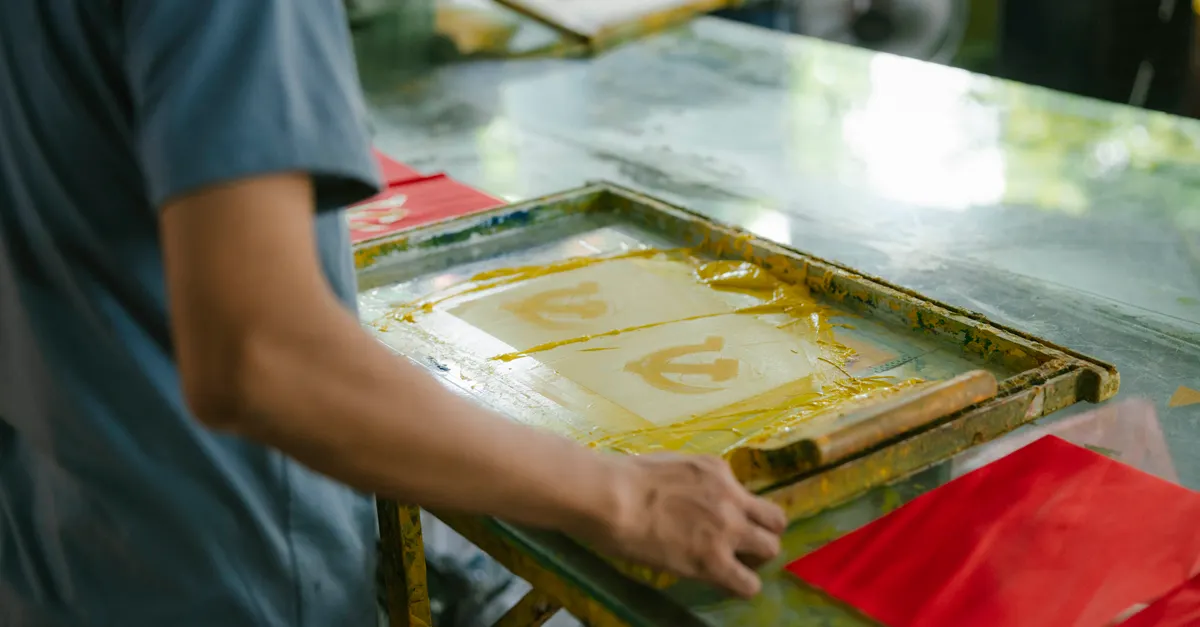
Branding is a key element in the packaging industry, and cups are no exception. However, any inks, adhesives, or coatings used must also be certified as food-safe. Direct printing on cups requires the use of low-migration inks and controlled processes to prevent contamination. This is especially important for cups that may be exposed to heat, such as those used for hot beverages.
Modern printing methods, such as digital and flexographic printing, allow for vibrant designs while maintaining safety standards. For those interested in how printing technology is evolving in the packaging sector, learning about how to use digital printing for fashion trend forecasting can offer relevant insights, as similar innovations are being applied to food packaging.
Sustainability and Recyclability in Food-Safe Packaging
As environmental concerns grow, the demand for sustainable packaging solutions is increasing. Many food-safe packaging cups are now made from recyclable or compostable materials. For example, PET and PP plastics are widely accepted in recycling streams, while some paper cups are lined with plant-based coatings that break down in industrial composting facilities.
When choosing packaging, businesses and consumers should consider:
- Material recyclability: Can the cup be easily recycled in local facilities?
- Biodegradability: Does the cup break down naturally, reducing landfill waste?
- Source materials: Are renewable resources used in production?
Innovations in this area are helping to reduce the environmental impact of single-use packaging while maintaining the safety and performance required for food contact.
Choosing the Right Food-Safe Cup for Your Needs
Selecting the appropriate packaging solution depends on several factors, including the type of food or beverage, temperature requirements, branding needs, and sustainability goals. Here are some tips for making the right choice:
- For hot drinks, look for insulated paper cups with food-grade linings.
- For cold beverages, clear PET cups offer visibility and strength.
- For eco-friendly options, seek out compostable or recyclable materials and check for relevant certifications.
- Ensure that any custom printing uses certified food-safe inks and processes.
Working with reputable suppliers who understand industry regulations and can provide documentation is essential for businesses. This ensures not only compliance but also consumer trust and brand reputation.
Frequently Asked Questions
What are the main differences between food-safe and regular packaging cups?
Food-safe cups are specifically designed and tested to prevent the transfer of harmful chemicals or contaminants into food and beverages. Regular packaging may not meet these strict standards and could pose health risks if used for direct food contact.
Can food-safe packaging cups be recycled or composted?
Many food-safe cups are recyclable, especially those made from PET, PP, or specially coated paper. Compostable options are also available, but it’s important to verify local recycling or composting capabilities, as not all facilities accept every type of material.
How can I tell if a cup is safe for food use?
Look for certifications or markings indicating compliance with FDA, EU, or other food safety standards. Reputable manufacturers will provide documentation or labeling to confirm that their products are suitable for direct food contact.