Food-safe packaging waste management is a crucial aspect of the modern food industry, impacting not only environmental sustainability but also public health and regulatory compliance. As food businesses, manufacturers, and consumers become increasingly aware of the environmental footprint of packaging, understanding how to properly handle and dispose of food-safe packaging materials is more important than ever. This guide explores the essentials of managing waste from food-grade packaging, best practices for businesses, and how consumers can contribute to a safer, cleaner future.
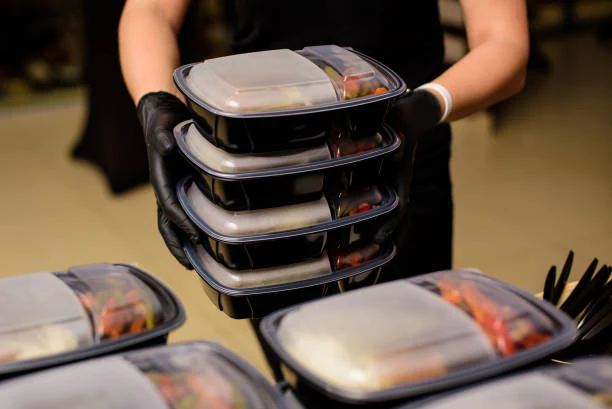
The growing demand for convenience foods and takeout has led to a surge in single-use packaging. While these materials are designed to protect food and ensure safety, their disposal poses unique challenges. Effective waste management strategies can help reduce landfill waste, prevent contamination, and support recycling efforts. For those interested in how technological advances are shaping related industries, you might also want to read about what is the future of smart textiles and printing.
Understanding Food-Grade Packaging and Its Waste
Food-grade packaging refers to materials specifically designed to safely contain food without contaminating it. These can include plastics, paper, cardboard, glass, and metals, all of which must meet strict safety standards. The challenge with managing waste from these materials lies in their composition—many are multi-layered or treated with coatings to prevent leaks and preserve freshness, making them harder to recycle.
The management of food-safe packaging waste starts with understanding the types of materials used and their respective disposal requirements. For example, some plastics are recyclable, while others must be sent to landfill or incineration due to food residue or chemical treatments.
Key Challenges in Managing Food Packaging Waste
There are several obstacles to effective waste management in this sector:
- Contamination: Food residues can make packaging unrecyclable, even if the base material is technically recyclable.
- Composite Materials: Many food-safe packages combine layers of plastic, paper, or foil, complicating sorting and recycling.
- Consumer Confusion: Unclear labeling and lack of education often result in improper disposal.
- Infrastructure Gaps: Not all communities have access to facilities capable of processing food-grade packaging waste.
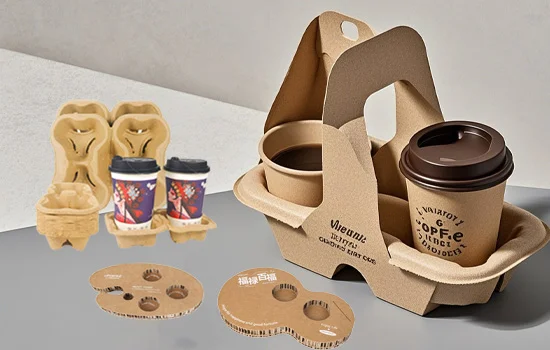
Addressing these challenges requires a combination of better product design, clearer communication, and improved collection and processing systems.
Best Practices for Businesses: Reducing and Managing Food-Safe Packaging Waste
Food producers, restaurants, and retailers play a vital role in minimizing packaging waste. Here are some actionable steps:
- Source Sustainable Materials: Choose packaging made from recyclable or compostable materials whenever possible.
- Design for Recycling: Use single-material packaging or clearly label components to aid sorting and recycling.
- Educate Staff and Customers: Provide clear instructions on how to dispose of packaging responsibly.
- Partner with Waste Management Services: Work with specialized companies to ensure proper collection and processing of food-safe packaging waste.
- Monitor and Report: Track packaging usage and waste generation to identify opportunities for improvement.
For a deeper understanding of what makes packaging safe for food contact, see this comprehensive explanation of food-grade packaging.
Consumer Role in Responsible Disposal
Individuals can make a significant impact by following these guidelines:
- Clean Before Recycling: Rinse containers to remove food residue, which can otherwise spoil entire batches of recyclables.
- Check Local Guidelines: Recycling rules vary by location, so always verify what is accepted in your area.
- Separate Components: Remove lids, labels, or inner linings if they are made from different materials.
- Reduce and Reuse: Opt for reusable containers and bags when possible to minimize single-use packaging waste.
By taking these steps, consumers help ensure that more food-safe packaging is recycled or composted, reducing environmental impact.
Innovations and Trends in Food-Safe Packaging Waste Management
The industry is evolving rapidly, with new technologies and strategies emerging to address the challenges of packaging waste:
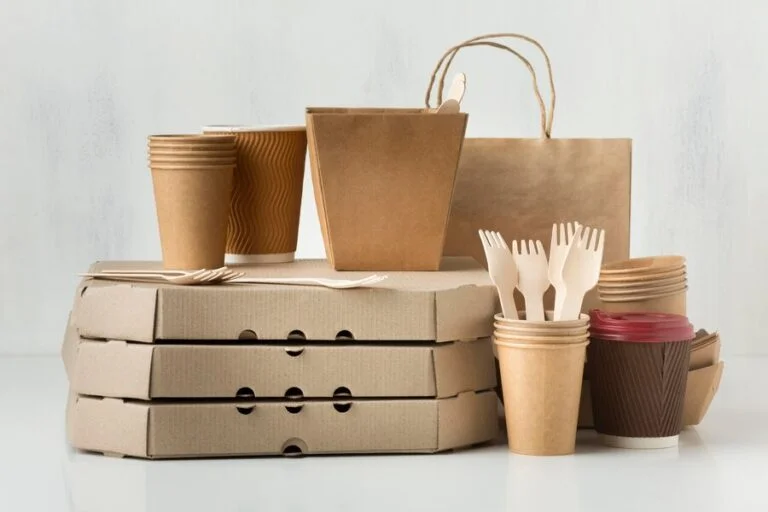
- Biodegradable and Compostable Materials: Advances in plant-based plastics and compostable films are making it easier to dispose of packaging safely.
- Smart Packaging: Some companies are developing packaging that changes color or displays information when food is no longer safe, helping reduce both food and packaging waste.
- Deposit Return Schemes: Programs that incentivize the return of packaging for reuse or recycling are gaining popularity worldwide.
- Improved Sorting Technology: Automated systems using AI and robotics are enhancing the efficiency of recycling facilities.
These innovations are helping to close the loop in the packaging lifecycle, making it easier for both businesses and consumers to participate in responsible waste management.
Regulatory Considerations and Compliance
Laws and regulations governing food-safe packaging waste differ by country and region. Businesses must stay informed about local requirements, which may include:
- Mandatory Recycling Targets: Some jurisdictions set minimum recycling rates for packaging materials.
- Extended Producer Responsibility (EPR): Producers may be required to take responsibility for the end-of-life management of their packaging.
- Labeling Standards: Accurate labeling helps consumers dispose of packaging correctly and supports recycling efforts.
Non-compliance can result in fines, product recalls, or reputational damage. Staying up-to-date with regulations is essential for any business handling food packaging.
FAQ: Common Questions About Food-Safe Packaging Waste
What makes packaging “food-safe” and how does it affect waste management?
Food-safe packaging is made from materials that do not leach harmful substances into food. While this ensures safety for consumers, it can complicate recycling and disposal because of added coatings or multi-layered construction. Proper sorting and cleaning are essential for effective waste management.
Can all food packaging be recycled?
Not all food packaging is recyclable. Items contaminated with food, or made from mixed materials (like plastic-lined paper), may not be accepted by recycling facilities. Always check local guidelines and clean packaging before recycling.
How can businesses reduce their food-safe packaging waste?
Businesses can minimize waste by choosing recyclable or compostable materials, designing packaging for easy separation, educating customers, and partnering with specialized waste management providers. Monitoring waste streams and adopting new technologies also help reduce environmental impact.
Conclusion: Building a Sustainable Future Through Better Waste Management
Effective food-safe packaging waste management is a shared responsibility. By adopting best practices, staying informed about regulations, and embracing innovation, both businesses and consumers can help reduce the environmental impact of food packaging. As the industry continues to evolve, ongoing education and collaboration will be key to achieving a more sustainable future.