The manufacturing world has seen a significant shift with the rise of additive manufacturing. As businesses seek ways to reduce expenses and improve flexibility, the cost efficiency of 3D printing has become a major topic of interest. This technology offers unique opportunities to streamline production, minimize waste, and enable rapid prototyping—all while keeping budgets in check.
Understanding how 3D printing can help companies save money is essential for anyone involved in product development, supply chain management, or small-scale manufacturing. In this guide, we’ll explore the main drivers of savings, compare traditional and additive methods, and highlight practical strategies for maximizing value.

For those interested in the intersection of advanced manufacturing and fashion, you might also find value in exploring what is the future of smart textiles and printing, which discusses how new printing technologies are shaping the textile industry.
How Additive Manufacturing Reduces Production Costs
One of the most compelling advantages of 3D printing is its ability to lower expenses across several stages of the production process. Unlike traditional manufacturing, which often requires expensive tooling and large minimum order quantities, additive manufacturing builds objects layer by layer from digital files. This approach brings several cost-saving benefits:
- Elimination of Tooling Costs: There’s no need for molds or dies, which can be costly to produce and maintain.
- Reduced Material Waste: Material is deposited only where needed, minimizing scrap and saving on raw materials.
- Shorter Lead Times: Products can move from design to finished part much faster, reducing labor and storage costs.
- Customization Without Added Expense: Each item can be uniquely tailored without increasing per-unit costs.
These factors contribute to the cost efficiency of 3D printing, especially for small batches, prototypes, or highly customized products.
Comparing Traditional and 3D Printing Methods for Savings
To understand where the savings come from, it’s helpful to compare additive manufacturing with conventional techniques like injection molding, CNC machining, or casting. While traditional methods are often more economical for very large production runs, 3D printing stands out in several scenarios:
| Aspect | Traditional Manufacturing | 3D Printing |
|---|---|---|
| Setup Costs | High (tooling, molds) | Low (digital files only) |
| Material Waste | Often significant | Minimal (additive process) |
| Customization | Expensive, slow | Easy, cost-neutral |
| Lead Time | Weeks to months | Hours to days |
| Best For | Mass production | Prototypes, small batches, custom parts |
For businesses producing limited quantities or requiring frequent design changes, additive manufacturing offers a clear path to cost savings.
Key Factors That Influence Cost Savings
While the cost efficiency of 3D printing is well-established, the actual savings depend on several variables. Understanding these factors can help you make informed decisions about when and how to use this technology:
- Part Complexity: Intricate designs that are expensive or impossible to produce with traditional methods are often more affordable with 3D printing.
- Batch Size: The smaller the production run, the greater the cost advantage of additive manufacturing.
- Material Selection: Some materials, such as specialty polymers or metals, may have higher costs, but the reduction in waste can offset this.
- Post-Processing Needs: Finishing steps like sanding or painting can add to the total cost, so it’s important to factor these in.
- Design for Additive Manufacturing (DfAM): Optimizing designs for 3D printing can further reduce material use and build time.
Companies that carefully evaluate these aspects are more likely to achieve the best financial outcomes from their investment in additive manufacturing.
Real-World Applications and Industry Examples
Many industries have adopted 3D printing to improve their bottom line. Here are a few examples:
- Aerospace: Lightweight, complex components are produced with less material and fewer assembly steps.
- Healthcare: Custom prosthetics and implants are made quickly and at lower cost compared to traditional fabrication.
- Automotive: Rapid prototyping allows for faster design iterations and reduced time to market.
- Consumer Goods: Short production runs for personalized products are now feasible and affordable.
For a deeper dive into how 3D printing is applied across different sectors, the comprehensive 3D printing guide from Hubs provides an excellent overview of processes, materials, and use cases.
Strategies to Maximize Savings with 3D Printing
To fully leverage the financial benefits of additive manufacturing, consider these practical strategies:
- Start with Prototyping: Use 3D printing for prototypes to reduce design cycle time and avoid costly mistakes before scaling up.
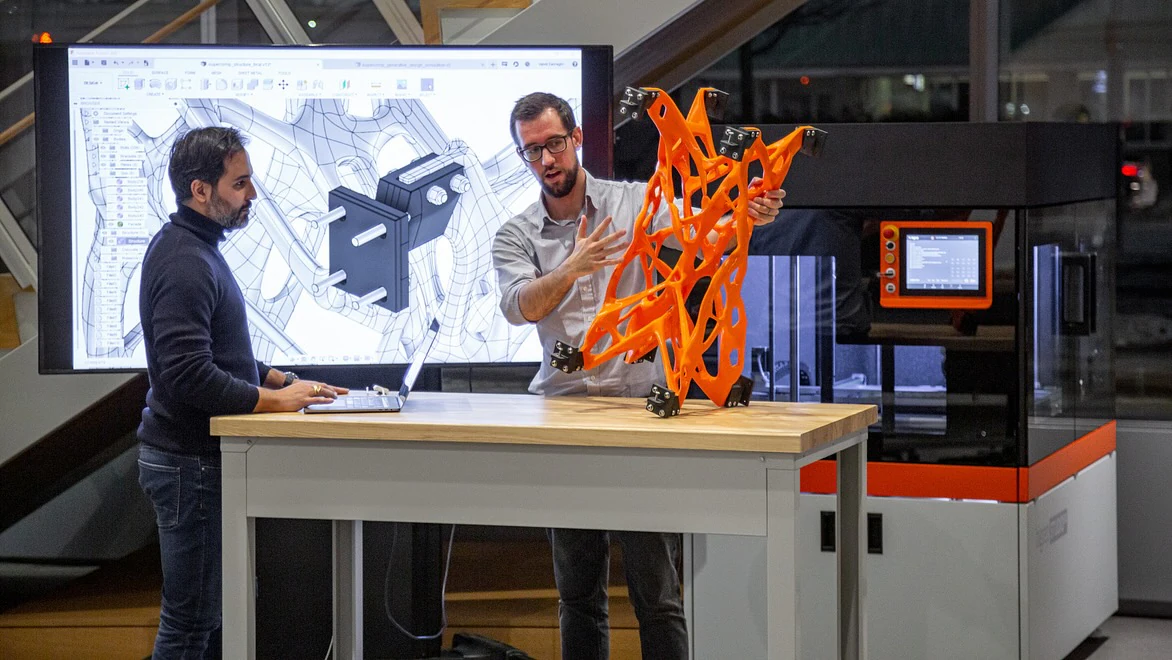
- Consolidate Parts: Redesign assemblies so multiple components can be printed as a single piece, cutting down on labor and assembly costs.
- Optimize Material Usage: Choose the right material for the application and minimize infill where possible to save on costs.
- Embrace On-Demand Production: Print parts as needed, reducing inventory and warehousing expenses.
- Invest in Training: Ensure your team understands design for additive manufacturing to unlock the full potential of the technology.
These steps can help organizations of all sizes realize substantial savings and stay competitive in a rapidly evolving marketplace.
Challenges and Considerations
While the cost efficiency of 3D printing is impressive, it’s important to recognize its limitations. Not all parts are suitable for additive manufacturing, especially those requiring very high volumes or specific material properties. Additionally, some post-processing steps can add time and expense. Careful analysis is needed to determine the best use cases for your business.
For those in the fashion and textile industry, you may also want to learn about how to set up a small scale fashion printing studio to explore how digital and additive methods can be integrated for further efficiency.
FAQ
Is 3D printing always cheaper than traditional manufacturing?
Not always. While additive manufacturing eliminates tooling costs and reduces waste, it may not be the most economical choice for very large production runs. The greatest savings are seen in prototyping, custom parts, and small batch production.
What types of products benefit most from 3D printing cost savings?
Products that are complex, highly customized, or produced in limited quantities benefit the most. Industries such as aerospace, healthcare, and automotive often see significant savings by adopting 3D printing for these types of parts.
How can I further improve the cost efficiency of 3D printing in my business?
Focus on design optimization, part consolidation, and on-demand production. Training your team in design for additive manufacturing and carefully selecting materials can also help maximize savings.
As additive manufacturing technology continues to evolve, its potential for reducing costs and improving flexibility will only grow. By understanding the key drivers of savings and implementing smart strategies, businesses can make the most of this transformative approach to production.