Rapid prototyping with 3D printing has transformed how products are designed, tested, and brought to market. By enabling quick iterations and tangible models, this technology accelerates development cycles and reduces costs. Whether you’re an engineer, designer, or entrepreneur, understanding how additive manufacturing streamlines prototyping can give your projects a significant edge.
In this article, we’ll explore the fundamentals of 3D-printed prototyping, its advantages over traditional methods, and practical tips for integrating it into your workflow. We’ll also highlight key applications, material choices, and the latest trends shaping the future of product development. For those interested in related innovations, check out what is the future of smart textiles and printing for insights into advanced materials and digital fabrication.
Understanding Additive Manufacturing for Prototyping
At its core, 3D printing—also known as additive manufacturing—creates objects layer by layer from digital designs. This approach differs from traditional subtractive methods, which carve or mill away material to form a shape. The flexibility of additive processes allows for the rapid creation of complex geometries and custom parts without the need for expensive tooling.
Common 3D printing technologies used for prototyping include:
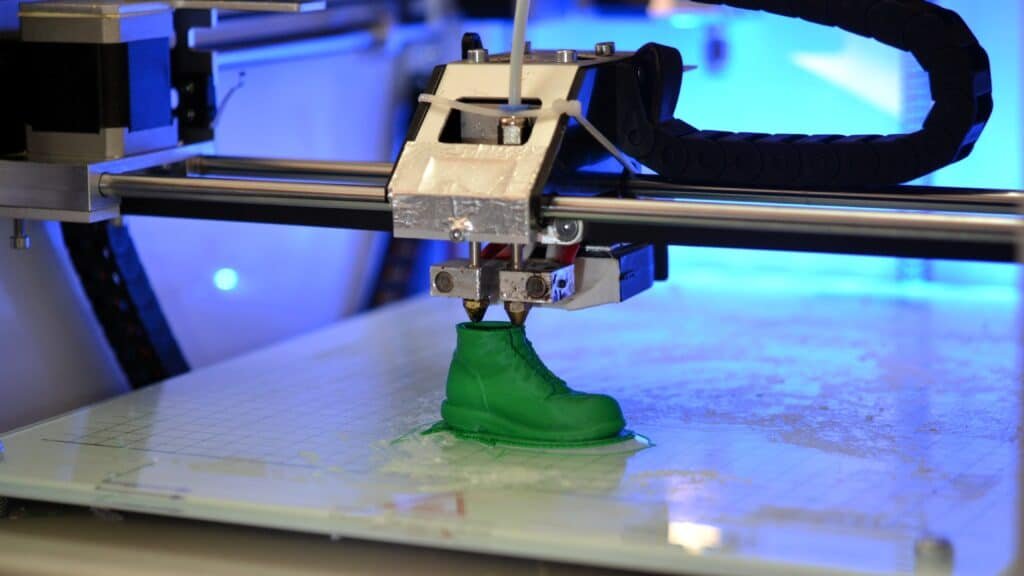
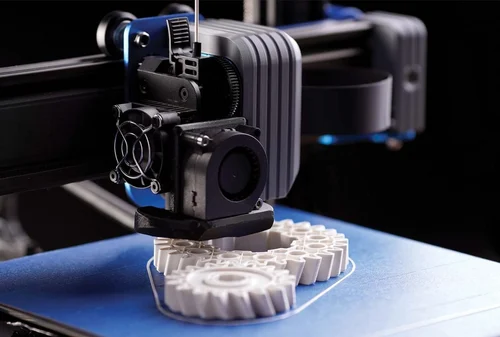
- Fused Deposition Modeling (FDM): Melts and extrudes thermoplastic filaments to build parts. Ideal for functional prototypes and concept models.
- Stereolithography (SLA): Uses a laser to cure liquid resin into solid layers, producing highly detailed and smooth models.
- Selective Laser Sintering (SLS): Fuses powdered materials with a laser, suitable for durable prototypes and small production runs.
For a deeper dive into how these processes work, visit this comprehensive guide to 3D printing technology.
Key Advantages of 3D-Printed Prototyping
Utilizing 3D printing for prototyping offers several compelling benefits:
- Speed: Designs can go from CAD file to physical model in hours, enabling quick feedback and iteration.
- Cost Efficiency: Eliminates the need for custom molds or tooling, reducing upfront investment and waste.
- Design Freedom: Complex shapes, internal channels, and organic forms are easily achievable.
- Customization: Each prototype can be tailored to specific requirements or user feedback without retooling.
- Risk Reduction: Early-stage models help identify design flaws before committing to mass production.
These advantages make additive manufacturing a preferred choice for industries ranging from consumer electronics to automotive and healthcare.
Integrating Rapid Prototyping with 3D Printing into Your Workflow
To maximize the benefits of 3D-printed prototyping, consider these practical steps:
- Start with a Clear CAD Model: Use professional design software to create accurate digital representations of your product.
- Select the Right Printing Technology: Match your prototype’s requirements—such as strength, detail, or flexibility—to the appropriate 3D printing method.
- Choose Suitable Materials: Options range from basic PLA and ABS plastics to advanced resins and nylon powders, each offering unique mechanical properties.
- Iterate Quickly: Take advantage of short print times to test multiple design variations and gather feedback from stakeholders.
- Document and Analyze Results: Record observations from each prototype to inform design improvements and final production decisions.
These steps help ensure a smooth transition from concept to finished product, reducing time-to-market and minimizing costly errors.
Applications Across Industries
The versatility of 3D-printed prototyping has led to widespread adoption in various sectors:
- Consumer Products: Designers create functional models of electronics, appliances, and wearables for ergonomic testing and user validation.
- Automotive: Engineers produce scale models, fixtures, and even end-use parts to accelerate vehicle development.
- Healthcare: Custom medical devices, prosthetics, and anatomical models improve patient care and surgical planning.
- Aerospace: Lightweight, complex components are prototyped and tested for performance and reliability.
- Fashion and Textiles: Innovative designers experiment with wearable structures and accessories, often combining digital printing with traditional techniques. For more on this topic, see how to use digital printing for fashion trend forecasting.

Choosing Materials for Additive Prototyping
Material selection is a crucial aspect of successful prototyping. The right choice depends on the intended use, mechanical properties, and finish required for your prototype. Common options include:
- PLA (Polylactic Acid): Biodegradable, easy to print, and suitable for concept models.
- ABS (Acrylonitrile Butadiene Styrene): Durable and impact-resistant, ideal for functional parts.
- Resins: Used in SLA printers, offering high detail and smooth surfaces for visual prototypes.
- Nylon: Strong and flexible, suitable for mechanical testing and end-use applications.
Advanced users may also experiment with composite filaments containing carbon fiber, metal, or wood for specialized applications.
Best Practices for Efficient 3D-Printed Prototyping
To get the most from your rapid prototyping efforts, consider these best practices:
- Optimize Design for Additive Manufacturing (DfAM): Adjust models to minimize supports, reduce print time, and improve strength.
- Test Early and Often: Use quick prints to validate critical features before investing in high-detail or large-scale models.
- Leverage Post-Processing: Sanding, painting, or assembling printed parts can enhance appearance and functionality.
- Document Iterations: Keep detailed notes on design changes and test results to inform future projects.
By following these guidelines, teams can achieve faster turnaround times and higher-quality prototypes.
Future Trends in 3D-Printed Product Development
The landscape of rapid prototyping continues to evolve. Key trends include:
- Integration with Smart Manufacturing: Combining 3D printing with IoT and AI for automated, data-driven workflows.
- Expansion of Material Choices: New polymers, metals, and bio-based materials are broadening application possibilities.
- Localized Production: On-demand printing reduces shipping times and supports just-in-time manufacturing. For more on this, see benefits of localized printing for global brands.
- Sustainability Initiatives: Recyclable filaments and energy-efficient printers are making additive manufacturing greener.
Staying informed about these developments helps organizations remain competitive and innovative in their product design strategies.
Frequently Asked Questions
What are the main differences between 3D-printed and traditional prototyping?
Traditional prototyping often involves subtractive methods like CNC machining or molding, which can be time-consuming and costly for small batches. 3D-printed prototypes are produced additively, allowing for faster turnaround, lower costs, and greater design flexibility—especially for complex or customized parts.
How do I choose the right 3D printing technology for my prototype?
The best technology depends on your prototype’s requirements. FDM is suitable for basic functional models, SLA is ideal for high-detail visual prototypes, and SLS works well for durable, complex parts. Consider factors like resolution, material properties, and intended use when making your selection.
Can 3D-printed prototypes be used for functional testing?
Yes, many prototypes produced with 3D printing can undergo functional testing, especially when printed with engineering-grade materials like ABS or nylon. However, it’s important to match the material and print settings to the performance requirements of your application.
Conclusion
Embracing rapid prototyping with 3D printing empowers teams to innovate faster, reduce development costs, and bring better products to market. By understanding the technologies, materials, and best practices, organizations can streamline their workflows and stay ahead in a competitive landscape. For those looking to set up their own workspace, see how to set up a small scale fashion printing studio for practical advice on getting started with digital fabrication.