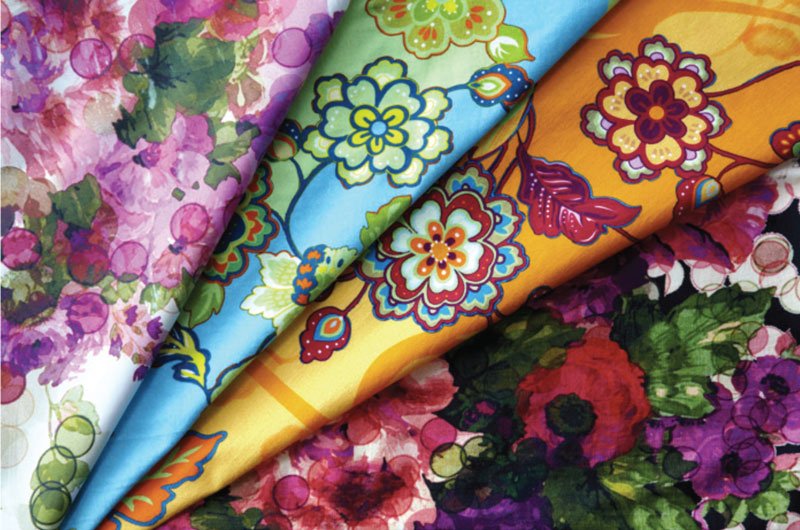
As boutique fashion brands expand, their fabric printing needs often shift from small, custom runs to larger, more consistent production. Navigating this transition can be challenging, especially when balancing quality, cost, and creative control. Understanding how to scale fabric printing for boutique brands is essential for maintaining brand identity while meeting increased demand.
This article explores practical strategies for scaling textile printing operations, from choosing the right printing methods to optimizing workflows and supplier relationships. Whether you’re preparing for your first major collection or looking to streamline existing processes, these insights will help you make informed decisions as your label grows.
For those interested in technical preparation, understanding how to set up a tech pack for textile printing can be a crucial first step in ensuring smooth communication with print partners as you scale.
Key Considerations When Expanding Fabric Printing Operations
As demand grows, boutique labels must address several factors to ensure their fabric printing processes can keep pace. These include production volume, turnaround times, print quality, and the flexibility to experiment with new designs. Each of these elements plays a role in maintaining the unique appeal that sets small brands apart from mass-market competitors.
- Production Volume: Moving from limited runs to larger batches requires careful planning to avoid overproduction or stockouts.
- Turnaround Time: Faster lead times become more important as order sizes increase and collection launches become more frequent.
- Print Quality: Consistency across larger orders is vital for brand reputation and customer satisfaction.
- Design Flexibility: The ability to test new patterns or colorways without excessive cost or waste remains a key advantage for boutique brands.
Choosing the Right Printing Method for Growth
Selecting the most suitable printing technology is central to scaling up. The main options—digital, rotary screen, and heat transfer—each have distinct benefits and limitations.
Digital Printing: Flexibility and Speed
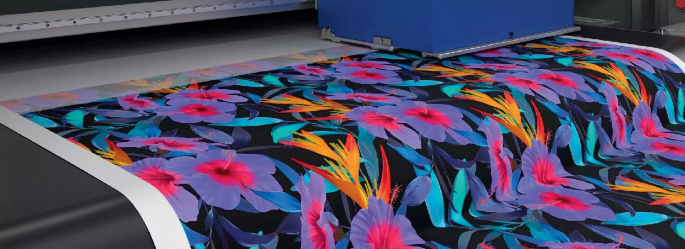
Digital fabric printing offers unmatched versatility for boutique brands. It allows for short runs, rapid prototyping, and intricate designs without the need for physical screens or plates. As your brand grows, digital printing can scale up to moderate volumes while maintaining high resolution and color accuracy. For a deeper dive into how this technology works, see this introduction to digital fabric printing.
Rotary Screen Printing: Efficiency for Larger Runs
When order quantities increase significantly, rotary screen printing becomes a cost-effective choice. This method excels at producing large, repeat patterns with consistent quality. However, it requires higher setup costs and is best suited for established designs that will be printed in bulk. For more on this method, explore the benefits of rotary screen printing for mass production.
Heat Transfer and Silk Screen: Comparing Alternatives
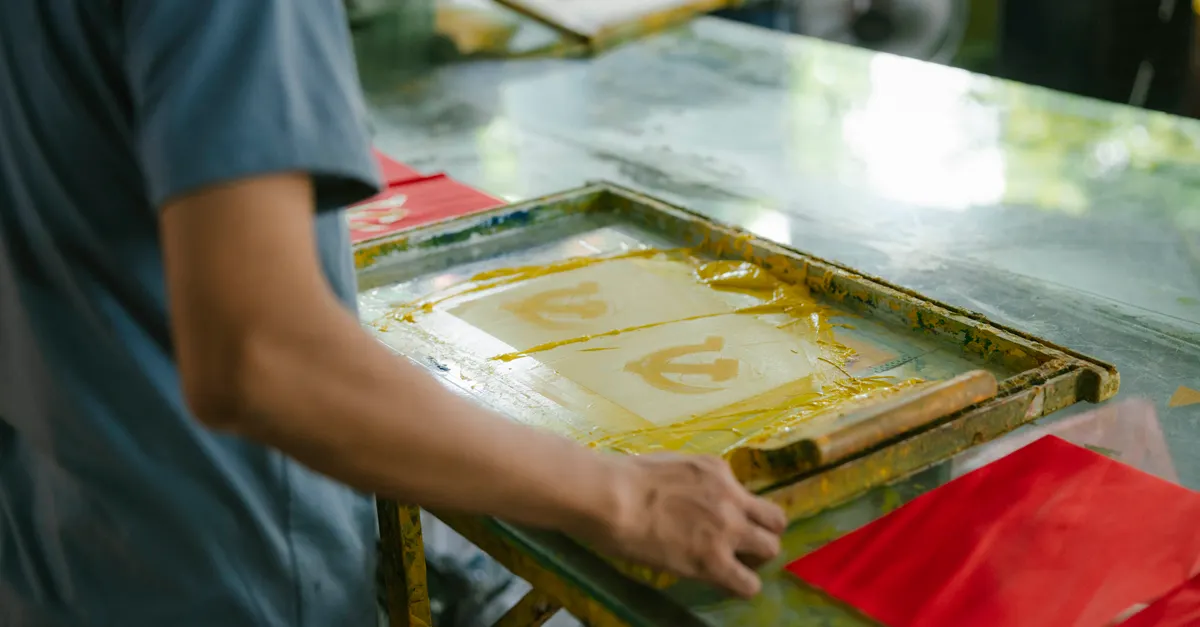
Some boutique brands opt for heat transfer or silk screen printing when scaling up. Each has its own strengths: heat transfer is ideal for complex, multi-color images on synthetic fabrics, while silk screen is valued for its durability and vibrant colors. To understand which process might suit your needs, see this comparison of silk screen vs heat transfer printing.
Optimizing Workflow and Quality Control
As production scales, maintaining quality and efficiency becomes more complex. Implementing robust workflow management and quality control measures is essential to avoid costly mistakes and ensure customer satisfaction.
- Standardize Color Profiles: Use consistent color management systems to ensure prints match design intent across batches.
- Proofing and Sampling: Always request and review samples before full production runs, especially when working with new suppliers or materials.
- Documentation: Maintain detailed records of print settings, fabric types, and supplier feedback to streamline repeat orders and troubleshoot issues.
- Inspection Protocols: Implement regular checks at each stage of production to catch errors early and reduce waste.
Building Strong Supplier Relationships
As your boutique label grows, reliable partnerships with print houses and fabric suppliers become increasingly important. Clear communication, transparent pricing, and shared quality standards help prevent misunderstandings and delays.
- Negotiate Flexible MOQs: Minimum order quantities (MOQs) can be a barrier for growing brands. Seek suppliers willing to offer scalable solutions as your needs evolve.
- Collaborate on Innovation: Work with partners who are open to experimenting with new materials or techniques, supporting your creative direction.
- Establish Clear Timelines: Set realistic production schedules and build in buffers for unexpected delays, especially during peak seasons.
Leveraging Technology for Scalable Fabric Printing
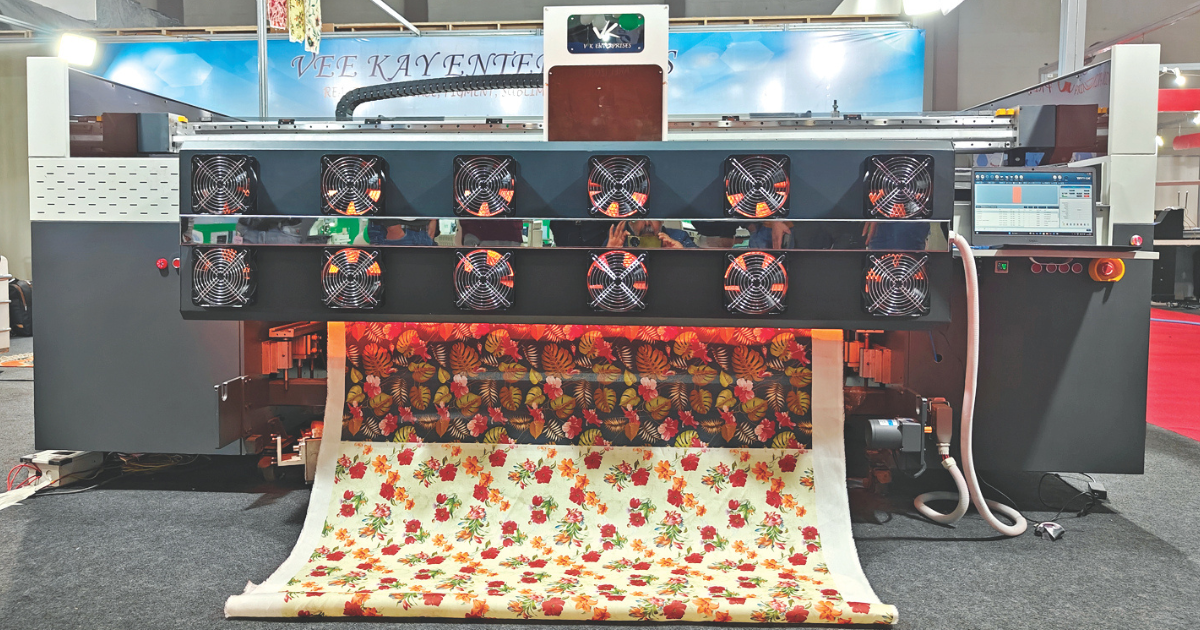
Investing in the latest printing technologies can provide a competitive edge. Modern digital machines, workflow automation, and cloud-based design management tools all contribute to smoother scaling.
- Automated Order Management: Digital platforms can track orders, manage inventory, and coordinate with suppliers, reducing manual errors.
- Design Libraries: Centralized digital libraries help manage patterns, colorways, and print files, making it easier to scale collections and maintain consistency.
- Remote Collaboration: Cloud-based tools allow designers, production teams, and suppliers to collaborate in real time, speeding up approvals and reducing miscommunication.
Balancing Cost, Quality, and Brand Identity
As boutique brands grow, it’s important to maintain the unique qualities that attracted customers in the first place. Scaling up should not come at the expense of design integrity or product quality. By carefully selecting printing methods, optimizing workflows, and building strong supplier partnerships, brands can expand their reach while staying true to their vision.
For those working with specific materials, achieving the best results may require specialized techniques. For example, if your collection features cotton, you may benefit from learning how to achieve high resolution prints on cotton.
Frequently Asked Questions
What is the best printing method for boutique brands looking to scale?
The ideal method depends on your order volume, design complexity, and fabric type. Digital printing is often preferred for its flexibility and low setup costs, especially for moderate runs and frequent design changes. For larger, repeat orders, rotary screen printing may offer better cost efficiency.
How can small fashion labels maintain quality as they increase production?
Consistency comes from standardizing color profiles, requesting samples, and implementing strict quality control at every stage. Building strong relationships with reliable print partners and documenting all production parameters also helps ensure high standards are met.
Are there ways to experiment with new designs without high costs?
Yes. Digital printing allows for short runs and quick prototyping, making it ideal for testing new patterns or colorways. Some suppliers also offer low MOQs or sample programs to help brands innovate without committing to large orders.