Understanding the difference between yardage printing and placement printing is essential for anyone involved in textile design, apparel manufacturing, or custom fabric production. Each method offers unique benefits and limitations, and the right choice can impact everything from design flexibility to production costs and final product quality. Whether you’re a designer planning your next collection or a business owner seeking the most efficient printing process, knowing how these two approaches differ will help you make informed decisions.
In this article, we’ll break down the core distinctions between these popular textile printing techniques, explore their applications, and help you identify which method aligns best with your creative and commercial goals. If you’re also interested in advanced techniques for specialty fabrics, you might find our guide on how to print on dark fabrics effectively helpful.
Understanding Yardage Printing in Textile Production
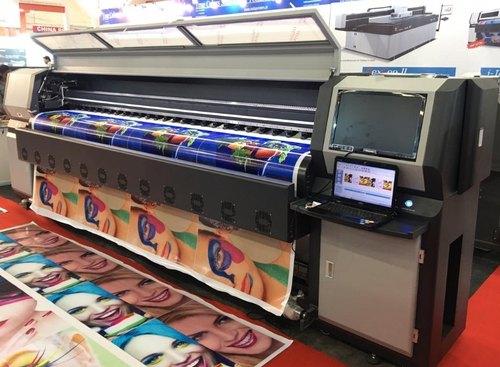
Yardage printing, sometimes called all-over or continuous printing, involves applying a design repeatedly across the entire length and width of a fabric roll. This approach is widely used for creating seamless patterns, such as florals, stripes, polka dots, or geometric motifs, that appear consistently throughout the material. The process is ideal for large-scale production where the same design needs to cover substantial fabric quantities.
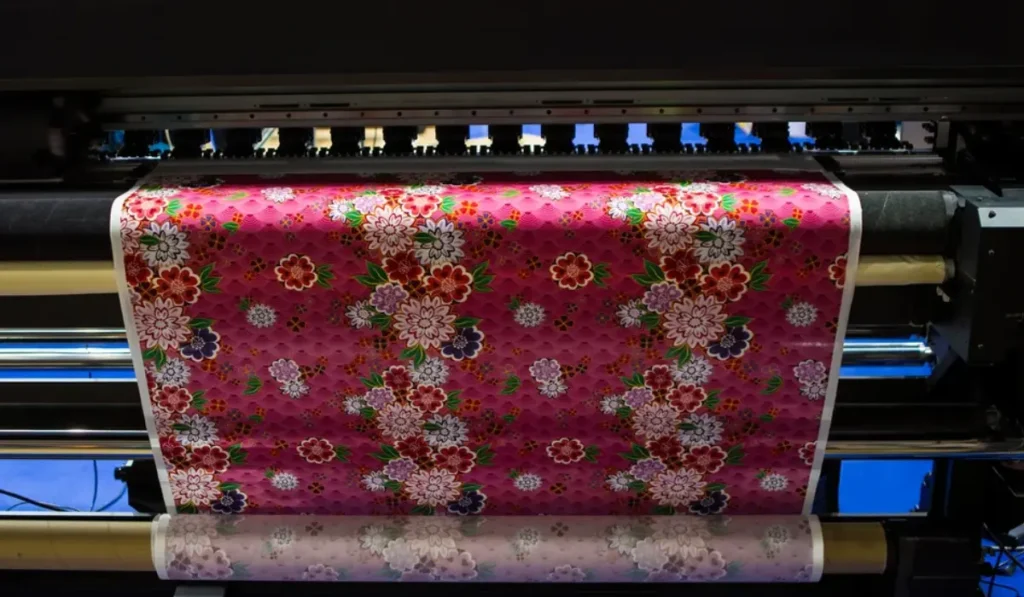
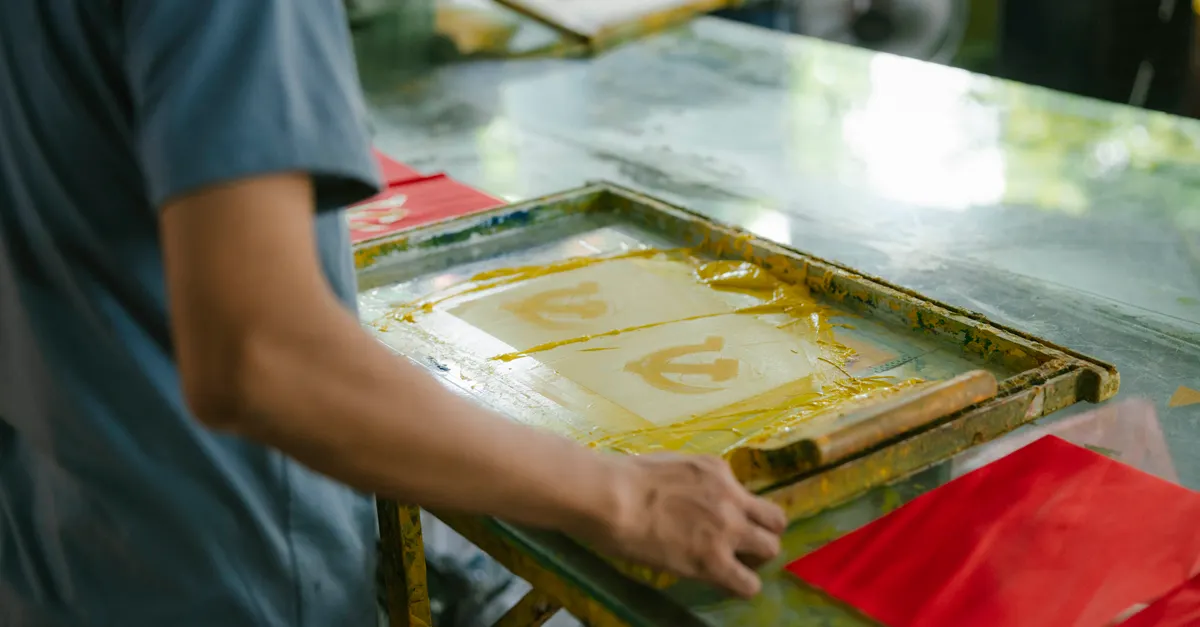
The main advantage of yardage printing is its efficiency for producing bulk fabric with uniform designs. This method is commonly used for apparel, home textiles, and accessories where a repeating pattern is desired. Techniques such as rotary screen printing, digital direct-to-fabric printing, and traditional block printing are often employed for this purpose. For a deeper dive into mass production methods, see our resource on what is rotary screen printing for mass production.
What Sets Placement Printing Apart?
Placement printing, also known as engineered or panel printing, is the process of applying a specific design to a predetermined area of the fabric. Instead of covering the entire surface, the artwork is positioned with precision—such as centering a motif on a t-shirt, placing a logo on a tote bag, or aligning a graphic on a dress panel. This method is ideal for garments or products where the location of the print is critical to the overall design.
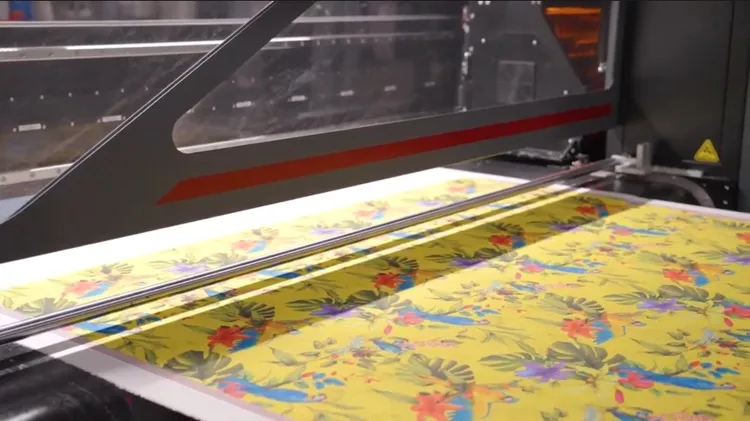
This approach is particularly popular for fashion items with bold graphics, branding, or custom artwork that needs to appear in a specific spot. Placement printing requires careful planning and often involves digital printing, screen printing, or heat transfer methods to ensure accuracy and color fidelity.
Key Differences Between Yardage and Placement Printing
To clarify the difference between yardage printing and placement printing, consider the following aspects:
- Design Coverage: Yardage printing covers the entire fabric surface with a repeating pattern, while placement printing targets specific areas for unique or localized designs.
- Production Process: Yardage methods are optimized for continuous runs and large quantities, making them cost-effective for bulk orders. Placement printing, on the other hand, requires more setup and precision, often resulting in higher per-unit costs for smaller runs.
- Design Flexibility: Placement printing allows for more creative freedom with artwork positioning, making it suitable for statement pieces and custom branding. Yardage printing is best for seamless, all-over patterns.
- Applications: Yardage is commonly used for fabrics that will be cut and sewn into various products, ensuring pattern consistency. Placement is ideal for finished garments or products where the artwork’s location is integral to the design.
- Waste and Sustainability: Yardage printing can result in less fabric waste if patterns are designed efficiently, while placement printing may require more precise cutting and alignment, potentially increasing offcuts.
Choosing the Right Printing Method for Your Project
Selecting between these two printing styles depends on your project’s needs. If your goal is to produce large quantities of fabric with a uniform pattern—such as for bedding, curtains, or mass-market apparel—yardage printing is typically the most practical and cost-effective option. For projects that demand unique placement of graphics, such as branded merchandise, fashion-forward garments, or limited-edition pieces, placement printing offers the necessary flexibility and impact.
It’s also important to consider the type of fabric, the complexity of your design, and your production volume. For example, digital textile printing has made both yardage and placement techniques more accessible, allowing for short runs and intricate designs with minimal setup. For more insights into digital textile printing’s sustainability and efficiency, see this comprehensive guide to digital textile printing.
Comparing Techniques: Yardage vs. Placement Printing in Practice
Let’s look at some practical scenarios to highlight the difference between yardage printing and placement printing:
- Fashion Apparel: A dress with an all-over floral print is typically produced using yardage printing, ensuring the pattern repeats seamlessly across every garment. In contrast, a t-shirt with a single graphic on the chest uses placement printing to position the artwork precisely.
- Home Textiles: Bedding, curtains, and upholstery fabrics often rely on yardage printing for continuous patterns. Decorative pillows with centered motifs or monograms are usually made with placement printing.
- Branding and Promotional Items: Tote bags, hats, and uniforms with logos or slogans in specific locations require placement printing for accurate alignment and brand consistency.
Each method has its own set of technical requirements. Yardage printing may involve rotary or flatbed screen printing, while placement printing often utilizes digital or heat transfer techniques for detailed and vibrant results. For a comparison of popular print methods, see our article on comparison of silk screen vs heat transfer printing.
Factors to Consider When Deciding Between Yardage and Placement Printing
Before choosing a printing method, evaluate the following:
- Design Intent: Does your artwork require precise positioning, or will it look best as a repeating pattern?
- Product Type: Are you printing on fabric rolls for later cutting and sewing, or on finished products?
- Order Volume: Yardage printing is more economical for large runs, while placement printing is suitable for smaller, custom orders.
- Budget: Consider setup costs, material waste, and production time for each method.
- Fabric Compatibility: Some fabrics respond better to certain printing techniques. For tips on achieving sharp results, check out our advice on how to achieve high resolution prints on cotton.
FAQ: Yardage and Placement Printing Explained
What is the main difference between yardage printing and placement printing?
The primary distinction is that yardage printing covers the entire fabric with a repeating design, while placement printing applies artwork to specific, predetermined areas. Yardage is best for seamless patterns, and placement is ideal for targeted graphics or logos.
Which printing method is more cost-effective for small runs?
Placement printing is generally better for small or custom orders, as it allows for unique designs without the need for large setup costs. However, per-unit costs may be higher compared to yardage printing for bulk production.
Can digital printing be used for both yardage and placement applications?
Yes, digital printing technology supports both methods. It offers flexibility for short runs, intricate designs, and precise placement, making it a versatile choice for modern textile production.
How do I decide which printing method to use for my project?
Consider your design needs, product type, order volume, and budget. If you require all-over patterns for large quantities, yardage printing is likely the best fit. For custom graphics or branding in specific locations, placement printing is more suitable.