The world of industrial 3D printing has rapidly evolved, offering manufacturers, designers, and engineers a diverse range of options for prototyping and production. Choosing the right machine can be challenging, given the variety of technologies, materials, and features available. This guide provides a detailed industrial 3D printer comparison, highlighting the essential features, advantages, and drawbacks of leading models to help you make an informed decision.
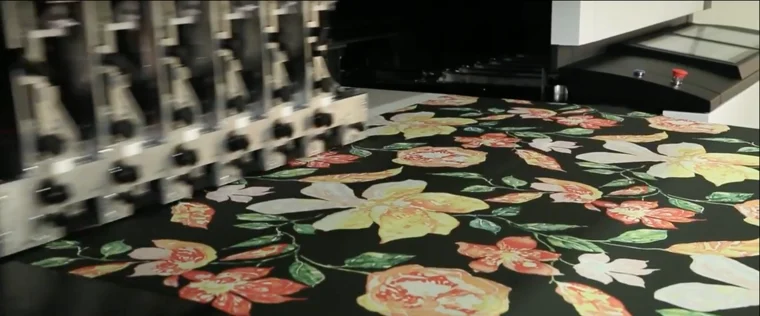
Whether you are scaling up production, exploring new materials, or seeking high-precision results, understanding the strengths and limitations of different printers is crucial. For those interested in how advanced printing intersects with other industries, you might also find value in learning about what is the future of smart textiles and printing.
Key Factors in Evaluating Industrial 3D Printers
When considering a professional-grade 3D printer, several factors should be weighed to ensure the machine aligns with your operational needs. Here are the most important aspects to assess:
- Printing Technology: Fused Deposition Modeling (FDM), Stereolithography (SLA), Selective Laser Sintering (SLS), and Digital Light Processing (DLP) each have unique benefits and limitations.
- Build Volume: The maximum print size determines the scale of parts you can produce in a single run.
- Material Compatibility: Some printers are limited to specific polymers, while others support advanced composites or metals.
- Precision and Accuracy: Layer resolution and dimensional accuracy impact the quality of finished parts.
- Speed and Throughput: Faster machines can increase productivity, but may trade off with surface finish or detail.
- Ease of Use and Maintenance: Features like auto-leveling, enclosed chambers, and remote monitoring can streamline workflows.
- Cost of Ownership: Beyond the initial price, consider ongoing expenses for materials, maintenance, and software.
Comparing Leading Industrial 3D Printing Technologies
Each 3D printing technology brings distinct advantages to industrial applications. Below is a breakdown of the most common types found in professional environments, with a focus on their features, strengths, and weaknesses.
FDM (Fused Deposition Modeling) Printers
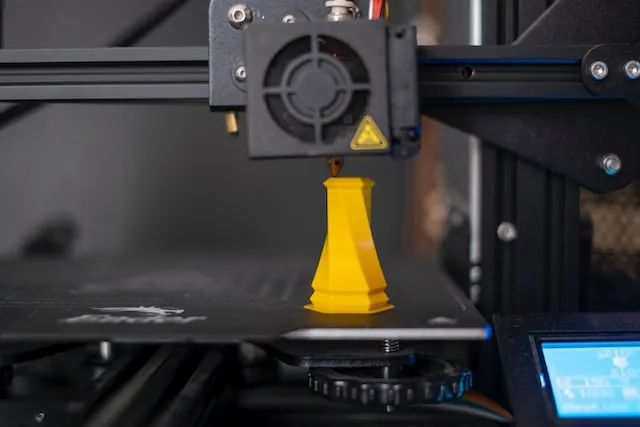
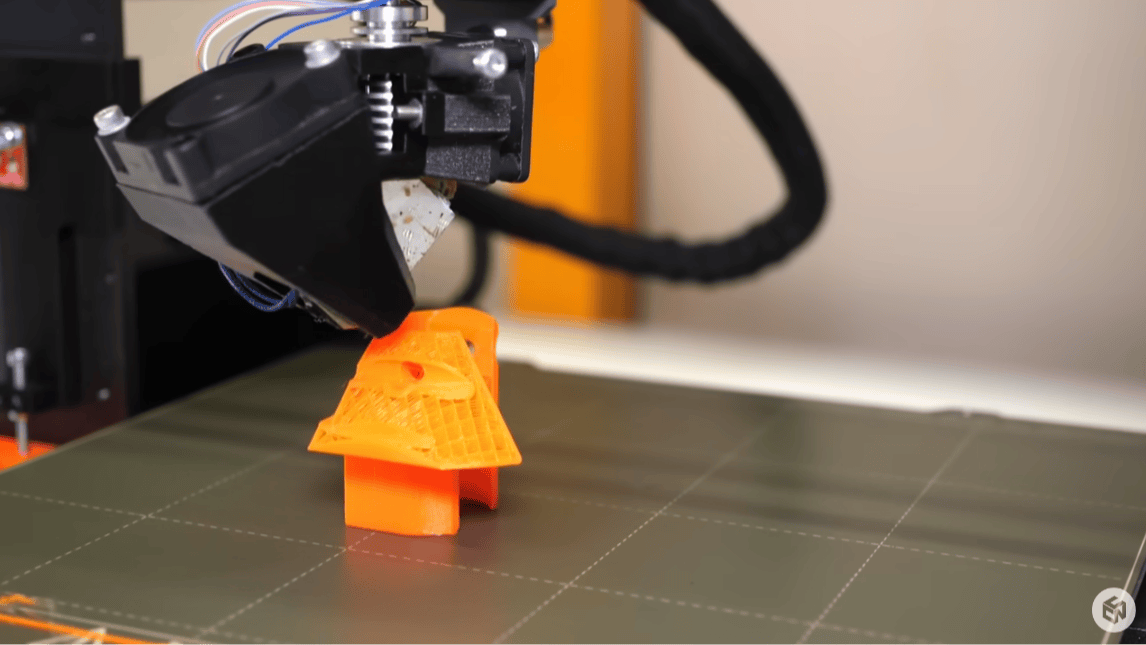
FDM is widely used for its affordability and versatility. These machines extrude thermoplastic filaments layer by layer to build parts.
- Pros: Cost-effective, supports a range of materials (PLA, ABS, PETG, composites), large build volumes available, straightforward operation.
- Cons: Surface finish may require post-processing, limited resolution compared to resin or powder-based systems, some warping with large prints.
FDM printers are ideal for functional prototypes, jigs, fixtures, and even end-use parts in some cases. For a deeper understanding of 3D printing fundamentals, see this comprehensive explanation of 3D printing technology.
SLA and DLP Resin Printers
Stereolithography (SLA) and Digital Light Processing (DLP) use light to cure liquid resin, producing highly detailed and smooth parts.
- Pros: Exceptional surface quality, high accuracy, suitable for intricate designs and small features, ideal for dental, jewelry, and prototyping applications.
- Cons: Smaller build volumes, resin materials can be more expensive, post-processing (washing and curing) required, some resins are brittle.
These printers are favored when detail and finish are top priorities, though they may not be the best fit for large-scale or functional parts.
SLS (Selective Laser Sintering) and Metal 3D Printers
SLS uses a laser to fuse powdered materials, while metal 3D printers employ similar principles for metals like stainless steel, titanium, and aluminum.
- Pros: No need for support structures, strong and functional parts, wide range of industrial materials, suitable for end-use components.
- Cons: High upfront and operational costs, complex maintenance, requires specialized training, post-processing often needed.
SLS and metal printers are commonly used for aerospace, automotive, and medical applications where strength and material properties are critical.
Side-by-Side Feature Overview
| Technology | Best For | Build Volume | Material Range | Surface Finish | Typical Cost |
|---|---|---|---|---|---|
| FDM | Prototypes, fixtures, large parts | Large | Plastics, composites | Moderate | $$ |
| SLA/DLP | Detailed models, dental, jewelry | Small-Medium | Photopolymer resins | Excellent | $$$ |
| SLS | Functional prototypes, end-use parts | Medium-Large | Nylon, composites | Good | $$$$ |
| Metal | Industrial components | Medium | Metals (steel, titanium, etc.) | Good | $$$$$ |
Pros and Cons of Industrial 3D Printers
Understanding the main advantages and limitations of each printer type is essential for making the right investment. Here is a summary of the key points for each technology:
- FDM: Pros include affordability and versatility; cons are lower detail and potential warping.
- SLA/DLP: Pros are high detail and smooth finish; cons are smaller build sizes and higher material costs.
- SLS: Pros are strong, functional parts and no supports; cons are higher costs and complex operation.
- Metal: Pros are industrial-grade strength and material options; cons are very high costs and technical requirements.
How to Choose the Right Industrial 3D Printer
Selecting the best machine depends on your specific application, budget, and production goals. Here are some tips to guide your decision:
- Identify your primary use cases—prototyping, tooling, or end-use production.
- Evaluate the materials you need to work with and ensure compatibility.
- Consider build volume requirements for your largest parts.
- Balance speed and quality based on your workflow needs.
- Factor in total cost of ownership, including maintenance and consumables.
- Look for features that improve reliability, such as heated chambers or auto-bed leveling.
For those interested in how digital printing is impacting other sectors, such as fashion, you may want to explore how to use digital printing for fashion trend forecasting.
Frequently Asked Questions
What are the main differences between FDM, SLA, and SLS printers?
FDM printers use melted filament to build parts layer by layer, making them cost-effective and suitable for larger objects. SLA printers use light to cure resin, offering high detail and smooth surfaces but with smaller build volumes. SLS printers fuse powder with a laser, producing strong, functional parts without the need for support structures, but at a higher cost and complexity.
How do I decide which 3D printer technology is best for my business?
Consider your application needs, required material properties, budget, and production volume. For rapid prototyping and low-cost parts, FDM is often suitable. For detailed models, SLA or DLP is preferred. For functional, end-use parts, SLS or metal 3D printing may be necessary.
What ongoing maintenance is required for industrial 3D printers?
Maintenance varies by technology but typically includes cleaning print heads or nozzles, calibrating build platforms, replacing consumables, and ensuring proper ventilation. Some advanced printers offer automated maintenance features, but regular checks are essential for consistent performance.
Conclusion
Comparing professional 3D printers involves more than just looking at price tags. By carefully weighing technology type, material compatibility, build volume, and operational costs, you can select a machine that matches your production needs and business goals. As additive manufacturing continues to advance, staying informed about new features and trends will help you remain competitive in your industry.