As awareness grows around the environmental and health impacts of traditional food packaging, businesses and consumers alike are seeking food-safe packaging alternatives that are both sustainable and reliable. The need for safe, eco-friendly solutions is more pressing than ever, especially as regulations tighten and consumer preferences shift toward greener options. Understanding which materials are safe for direct food contact—and how they compare—can help you make informed choices for your products or daily life.
For those interested in how innovative materials and printing technologies are shaping the future of packaging and textiles, you may also want to explore what is the future of smart textiles and printing for additional insights into sustainable trends.
Why Seek Out Safer Packaging Options?
Traditional food packaging materials like plastics, foams, and certain coated papers can leach chemicals into food, especially when exposed to heat or acidic ingredients. These substances, such as BPA, phthalates, and PFAS, have been linked to health concerns and are increasingly regulated. Moreover, conventional packaging often contributes to landfill waste and pollution, prompting a shift toward eco-friendly food packaging alternatives that prioritize both safety and sustainability.
Switching to safer options not only helps protect consumer health but also supports environmental goals and meets rising market demand for responsible packaging.
Types of Food-Safe Packaging Alternatives
There is a growing range of food-safe packaging alternatives available today, each with its own strengths and ideal applications. Below are some of the most popular and effective options:
1. Glass Containers
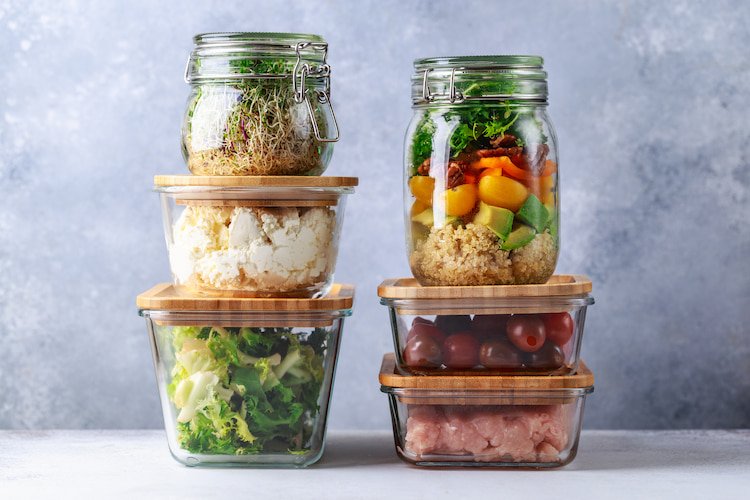
Glass is a classic choice for food storage and packaging. It is non-reactive, does not leach chemicals, and is fully recyclable. Glass jars and bottles are ideal for products like sauces, jams, beverages, and ready-to-eat meals. They offer excellent barrier properties, preserving freshness and flavor without compromising safety.
2. Paper-Based Packaging
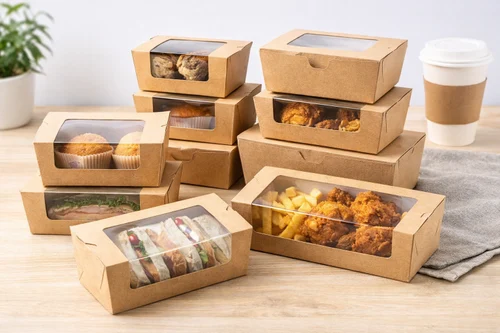
Paper and cardboard, when uncoated or lined with food-safe materials, are widely used for bakery items, dry foods, and takeout containers. Many manufacturers now offer compostable or recycled paper packaging that is certified for direct food contact. Look for options labeled as biodegradable or compostable for the lowest environmental impact.
3. Plant-Based Plastics (Bioplastics)
Bioplastics, made from renewable resources like corn starch, sugarcane, or potato starch, are designed to mimic conventional plastics but with a lower carbon footprint. Some are compostable or biodegradable, making them suitable for single-use items such as cutlery, cups, and food trays. However, not all bioplastics break down easily in home composting systems, so check for certifications like ASTM D6400 or EN 13432.
4. Metal Packaging
Aluminum and stainless steel containers are durable, reusable, and fully recyclable. They are commonly used for canned foods, beverages, and lunchboxes. Metal packaging provides an effective barrier against light, air, and moisture, keeping food fresh and safe for extended periods.
5. Edible Packaging
Emerging technologies have introduced edible films and coatings made from seaweed, rice, or other natural ingredients. These are primarily used for wrapping single-serve snacks or as protective coatings for produce. While not yet mainstream, edible packaging offers a unique solution to reduce waste and ensure food safety.
Key Considerations for Choosing Safe Packaging
When evaluating food-safe packaging alternatives, several factors should be considered to ensure both safety and practicality:
- Regulatory Compliance: Always verify that packaging materials meet food safety standards set by authorities such as the FDA. For more details, refer to the FDA’s guidelines on food ingredients and packaging.
- Material Certifications: Look for certifications indicating the packaging is safe for direct food contact, such as FDA approval, BPI certification (for compostability), or similar regional standards.
- Intended Use: Consider the type of food, required shelf life, and whether the packaging will be exposed to heat, moisture, or acidic ingredients.
- Environmental Impact: Assess the recyclability, compostability, and overall sustainability of the material.
- Consumer Preferences: Many consumers now expect brands to use eco-friendly and health-conscious packaging, which can influence purchasing decisions.
Benefits of Switching to Safer Packaging Materials
Adopting food-safe packaging alternatives provides a range of benefits for both businesses and consumers:
- Health Protection: Reduces exposure to potentially harmful chemicals found in some plastics and coatings.
- Brand Reputation: Demonstrates a commitment to safety and sustainability, which can enhance brand loyalty and trust.
- Regulatory Compliance: Helps businesses stay ahead of evolving regulations and avoid costly recalls or penalties.
- Environmental Stewardship: Supports waste reduction and resource conservation by choosing biodegradable, compostable, or recyclable materials.
- Market Differentiation: Sets products apart in a crowded marketplace by appealing to eco-conscious consumers.

Challenges and Limitations
While the shift toward safer and greener packaging is positive, there are some challenges to consider:
- Cost: Some sustainable materials can be more expensive than conventional options, especially for small businesses or startups.
- Performance: Not all alternatives offer the same durability, barrier properties, or shelf life as traditional plastics or foils.
- Infrastructure: Compostable and biodegradable packaging often requires specific disposal facilities, which may not be widely available in all regions.
- Consumer Education: Clear labeling and communication are needed to help consumers properly dispose of or recycle new materials.
How to Transition to Safer Packaging Solutions
For businesses and individuals looking to adopt food-safe packaging alternatives, a strategic approach can ease the transition:
- Audit Current Packaging: Identify which materials are currently in use and assess their safety and environmental impact.
- Research Alternatives: Compare available options based on safety certifications, cost, and suitability for your products.
- Test and Validate: Conduct trials to ensure new packaging meets performance and safety requirements.
- Communicate with Stakeholders: Inform customers, suppliers, and partners about the switch to safer materials and how to handle them post-use.
- Stay Informed: Keep up with evolving regulations and innovations in sustainable packaging to continuously improve your practices.
Frequently Asked Questions
What makes a packaging material food-safe?
A food-safe material is one that does not leach harmful chemicals or substances into food, even when exposed to heat, moisture, or acidic ingredients. It should be certified for direct food contact by relevant authorities and free from contaminants.
Are compostable and biodegradable packaging always safe for food?
Not all compostable or biodegradable materials are automatically food-safe. Always check for certifications and ensure the packaging is specifically designed for food contact. Some materials may break down safely in compost but are not suitable for direct contact with food items.
How can businesses verify the safety of their packaging?
Businesses should request documentation from suppliers, such as FDA compliance certificates or third-party safety test results. Regular audits and staying updated with current food packaging regulations are also recommended.
Conclusion
The movement toward food-safe packaging alternatives is gaining momentum as both consumers and businesses recognize the importance of health, safety, and environmental stewardship. By understanding the available options, their benefits, and the challenges involved, you can make informed decisions that support both your well-being and the planet. As technology and regulations continue to evolve, staying proactive in your packaging choices will help you stay ahead in a rapidly changing market.