Ensuring the safety and integrity of food products during transit is a top priority for manufacturers, distributors, and retailers. Food-safe packaging transportation involves a combination of specialized packaging materials, regulatory compliance, and best practices designed to protect food from contamination, spoilage, and damage as it moves through the supply chain. Understanding the essentials of this process is critical for anyone involved in the food industry, from small producers to large-scale logistics providers.
With the rise of global food distribution and consumer demand for fresh, high-quality products, the need for reliable and compliant packaging solutions has never been greater. This article will break down the core principles of safe food transport, highlight the key materials and technologies used, and offer practical advice for businesses looking to improve their packaging and logistics strategies.
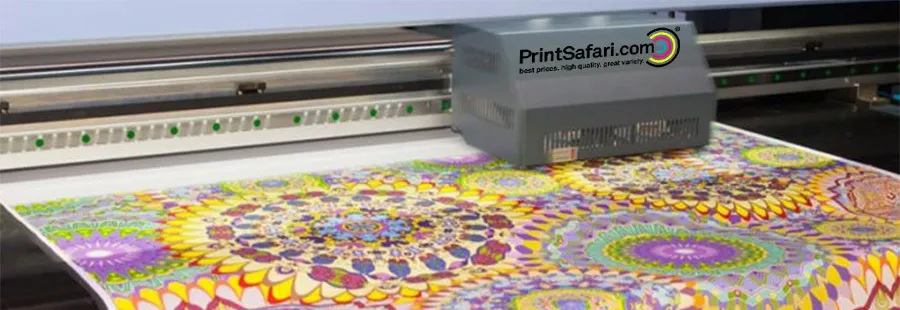
For those interested in how advances in packaging intersect with other industries, you may also want to explore what is the future of smart textiles and printing for insights into innovative materials and printing technologies.
The Importance of Safe Food Transport
Transporting food safely is about much more than simply moving products from one place to another. It requires a holistic approach that takes into account the unique vulnerabilities of different food types, such as perishability, sensitivity to temperature, and risk of contamination. Food-safe packaging transportation ensures that food arrives at its destination in optimal condition, maintaining both quality and safety for consumers.
Foodborne illnesses, product recalls, and spoilage can have severe consequences for public health and business reputation. By prioritizing safe transport, companies can minimize these risks and comply with stringent food safety regulations enforced by agencies like the FDA, USDA, and international bodies.
Key Elements of Food-Safe Packaging Transportation
Successful food logistics depend on several critical factors. Each plays a role in keeping products fresh, safe, and compliant throughout the journey:
- Material Selection: Packaging must be made from materials that are certified as food-safe, meaning they do not leach harmful chemicals or allow contamination. Common options include food-grade plastics, glass, coated paperboard, and certain metals.
- Barrier Protection: Effective packaging provides barriers against moisture, oxygen, light, and microbes, all of which can degrade food quality or safety.
- Temperature Control: Many foods require controlled environments during transit. Insulated containers, gel packs, and active refrigeration help maintain the required temperature range.
- Sealing and Tamper Evidence: Secure seals and tamper-evident features prevent unauthorized access and signal any compromise in the package’s integrity.
- Labeling and Traceability: Proper labeling ensures that handlers know how to store and transport the product, while traceability systems allow for quick response in case of recalls or quality issues.

Types of Food-Safe Packaging for Transportation
The choice of packaging depends on the type of food, distance, and transport conditions. Here are some widely used options:
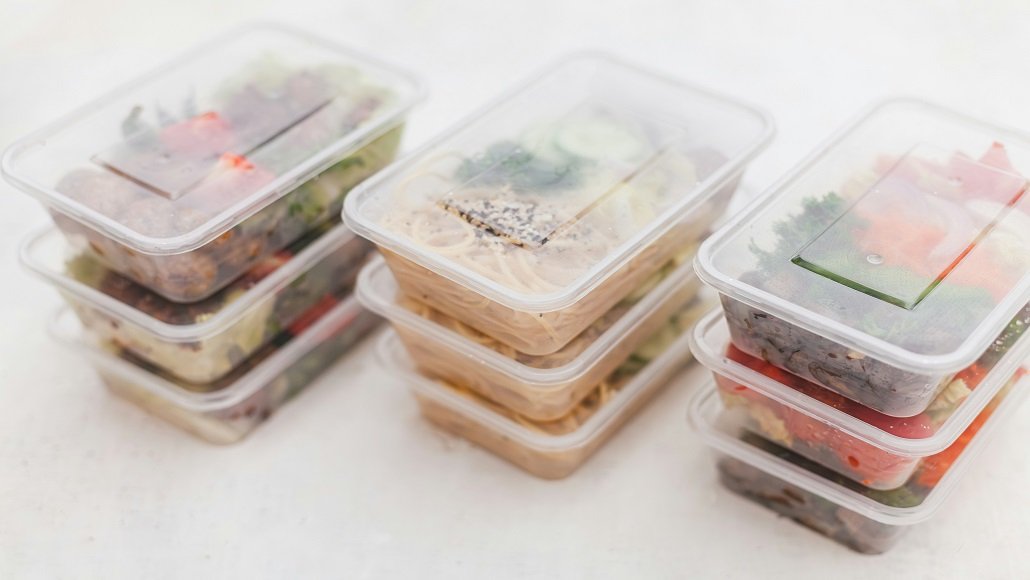
- Rigid Containers: Plastic or glass containers are ideal for liquids and semi-liquids, offering strong protection against leaks and external contamination.
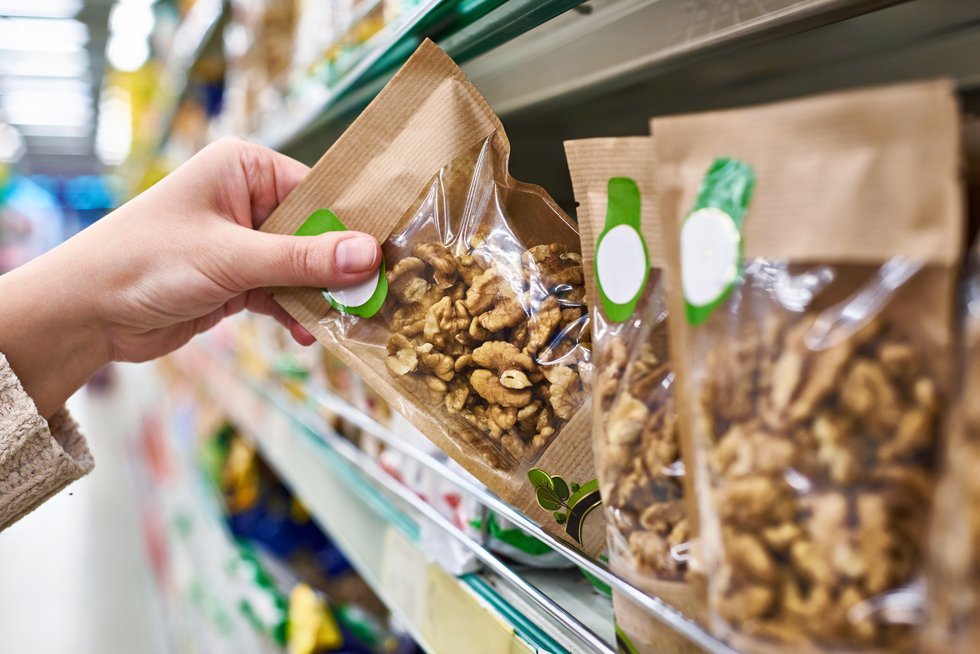
- Flexible Packaging: Pouches, wraps, and vacuum-sealed bags are lightweight and space-efficient, suitable for snacks, dried foods, and produce.
- Corrugated Boxes: Often used as secondary packaging, these boxes provide cushioning and structure for bulk shipments.
- Insulated Shippers: For temperature-sensitive goods like dairy, meat, or seafood, insulated boxes with cooling elements are essential.
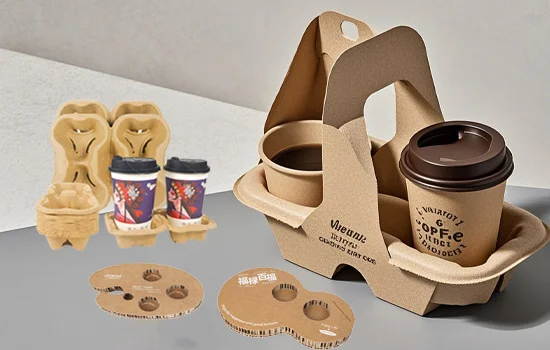
- Compostable and Eco-Friendly Materials: As sustainability becomes a priority, more companies are adopting biodegradable and recyclable packaging that still meets food safety standards.
For a deeper dive into the latest solutions, see this complete guide to food-safe packaging solutions which covers innovative materials and compliance tips.
Regulations and Compliance in Food Packaging Logistics
Adhering to food safety regulations is non-negotiable in the industry. Standards vary by country and product type, but most require:
- Use of certified food-contact materials
- Clear labeling of allergens and handling instructions
- Documentation for traceability and recall management
- Compliance with temperature and hygiene requirements during transit
Failure to meet these standards can result in fines, product recalls, and loss of consumer trust. Regular audits, staff training, and supplier verification are essential parts of a robust compliance program.
Best Practices for Safe Food Transport
To optimize food-safe packaging transportation, businesses should follow these best practices:
- Assess Product Needs: Evaluate the specific requirements of each food item, including shelf life, temperature sensitivity, and fragility.
- Choose the Right Packaging: Select materials and formats that offer the necessary protection and comply with regulations.
- Maintain the Cold Chain: For perishable goods, ensure that temperature is monitored and maintained throughout the journey.
- Train Staff: Educate employees on proper handling, hygiene, and emergency procedures to minimize risk.
- Implement Tracking Systems: Use barcodes, RFID, or digital platforms to monitor shipments and respond quickly to any issues.
- Review and Update Processes: Regularly audit your logistics and packaging strategies to adapt to new regulations and technologies.
Emerging Trends in Food Packaging and Logistics
The landscape of food transport is evolving rapidly. Some notable trends include:
- Smart Packaging: Integration of sensors and indicators that monitor temperature, freshness, and tampering in real time.
- Sustainable Solutions: Growing demand for packaging that reduces environmental impact without compromising safety.
- Automation and Digitalization: Use of automated warehouses, AI-driven logistics, and blockchain for improved traceability.
These innovations not only enhance safety but also improve efficiency and transparency throughout the supply chain.
Frequently Asked Questions
What materials are considered food-safe for packaging and transport?
Materials such as food-grade plastics (like PET and HDPE), glass, certain metals (such as stainless steel and aluminum), and coated paperboard are commonly used. These materials are certified to prevent chemical migration and contamination, making them suitable for direct contact with food.
How can companies ensure compliance with food safety regulations during transport?
Businesses should source packaging from reputable suppliers, maintain thorough documentation, train staff in hygiene and handling, and use tracking systems for traceability. Regular audits and staying updated on regulatory changes are also essential.
Why is temperature control important in food packaging transportation?
Many food products are sensitive to temperature fluctuations. Maintaining the correct temperature prevents spoilage, inhibits bacterial growth, and ensures food reaches consumers in safe, high-quality condition. Cold chain management is especially critical for perishable items like dairy, meat, and seafood.
Conclusion
Effective food-safe packaging transportation is a cornerstone of modern food logistics. By understanding the materials, regulations, and best practices involved, businesses can protect their products, comply with legal requirements, and build trust with consumers. As technology and sustainability concerns continue to shape the industry, staying informed and proactive will be key to long-term success.