Fashion is constantly evolving, and designers are always searching for new ways to create garments that stand out. Heat sensitive inks—also known as thermochromic inks—offer a dynamic way to add interactivity and surprise to textiles. These inks change color or become transparent when exposed to different temperatures, allowing for patterns, graphics, or messages to appear and disappear based on heat. Understanding how to use heat sensitive inks for fashion opens up a world of creative possibilities, from mood-responsive t-shirts to accessories that react to touch or sunlight.
This guide covers the fundamentals of working with thermochromic inks in apparel, including how they work, application techniques, design considerations, and tips for achieving reliable, eye-catching results. If you’re interested in digital textile printing or want to combine these effects with advanced pattern creation, you may also want to explore how to use adobe illustrator for textile repeats for seamless design integration.
Understanding Thermochromic Inks in Apparel
Thermochromic inks are formulated with special pigments that react to temperature changes. When the ink is heated above a certain threshold—usually between 27°C and 33°C (80°F to 91°F)—the pigment’s molecular structure shifts, causing a visible color change or transparency. This effect is reversible, so the original color returns as the material cools. In fashion, this technology is used to create garments that respond to body heat, sunlight, or even environmental changes, making them interactive and visually engaging.
There are two main types of thermochromic inks used in textiles:
- Reversible inks: These change color with heat and revert back when cooled.
- Irreversible inks: These change color permanently after exposure to a certain temperature (less common in fashion).
For most apparel projects, reversible inks are preferred as they allow for repeated color transformations, enhancing the garment’s novelty and functionality.
Preparing Fabrics for Heat Sensitive Ink Application
Before applying thermochromic inks, it’s crucial to select the right fabric and prepare it properly. Natural fibers like cotton, bamboo, and silk tend to absorb ink more effectively, resulting in vibrant and consistent color changes. Synthetic fabrics can also be used, but may require pre-treatment for optimal adhesion and durability.
Key preparation steps include:
- Washing: Remove any sizing, oils, or residues from the fabric to ensure even ink absorption.
- Drying: Make sure the textile is completely dry before printing or painting.
- Testing: Always test the ink on a small swatch to check for color vibrancy and reaction to heat.
For those interested in eco-friendly textiles, learning how to print on sustainable bamboo fabrics can help you combine sustainability with innovation in your designs.
Techniques for Applying Thermochromic Inks
There are several methods for applying heat sensitive inks to textiles, each offering unique advantages depending on your project’s needs:
- Screen Printing: A popular method for both small and large runs. The ink is pushed through a mesh screen onto the fabric, allowing for precise placement and layering with other inks.
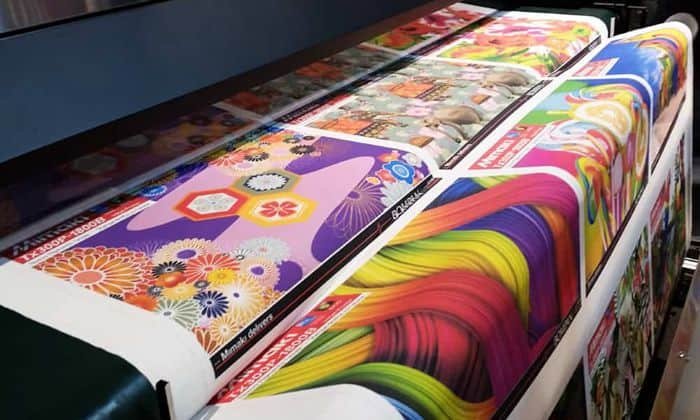
- Digital Printing: Advanced printers can deposit thermochromic inks directly onto textiles, enabling intricate designs and gradients. This is ideal for complex graphics or when combining with other digital effects.
- Hand Painting or Stenciling: For custom or one-off pieces, brushes or sponges can be used to apply ink in specific areas. Stencils help control shapes and patterns.
Regardless of the technique, it’s important to follow the manufacturer’s instructions for ink mixing, application, and curing. Some inks may require heat setting with a press or iron to lock in the effect and improve wash durability.
Design Considerations for Interactive Fashion
When planning garments with thermochromic effects, consider how the ink will behave in real-world use. Here are some practical tips:
- Placement: Apply inks to areas that are likely to come into contact with heat, such as underarms, backs, or cuffs. This ensures the effect is noticeable during wear.
- Layering: Combine thermochromic inks with standard pigments for “hidden” messages or graphics that only appear when heated.
- Color Choices: Use contrasting base and thermochromic colors for maximum visibility. For example, a black print that turns transparent to reveal a bright color underneath.
- Durability: Test for wash and wear resistance. Some inks may fade with frequent laundering, so gentle washing and air drying are recommended.
For more on advanced textile printing methods, you can read about the digital textile printing revolution and its impact on fabric production.
Combining Thermochromic Inks with Other Textile Technologies
To create truly unique fashion pieces, designers often blend heat sensitive inks with other techniques. For example, pairing thermochromic prints with moire pattern management can produce eye-catching optical effects that shift with both movement and temperature. Additionally, using eco-solvent inks alongside thermochromic pigments can help achieve both environmental responsibility and interactive design.

Experimenting with different ink types, layering strategies, and textile substrates can help you develop signature looks that set your brand apart.
Tips for Reliable Results with Heat Sensitive Inks
To ensure your interactive garments perform as expected, keep these best practices in mind:
- Test Before Production: Always create samples to check for color change, wash resistance, and overall appearance.
- Follow Curing Instructions: Proper heat setting is essential for ink durability. Use a heat press or iron at the recommended temperature and duration.
- Educate Customers: Provide care instructions to buyers, such as washing in cold water and avoiding high-heat drying, to preserve the thermochromic effect.
- Store Inks Properly: Keep unused ink in airtight containers away from heat and sunlight to maintain its effectiveness.
For rapid prototyping or sampling, integrating inkjet technology for textile sampling can help you iterate designs quickly before committing to full production.
Frequently Asked Questions
What fabrics work best with thermochromic inks?
Natural fibers such as cotton, bamboo, and silk generally yield the most vibrant and consistent results. Synthetic fabrics can also be used, but may require pre-treatment for optimal ink adhesion and durability.
How long do heat sensitive prints last on clothing?
With proper application and care, thermochromic prints can last through many washes. However, frequent laundering, especially in hot water or with harsh detergents, may reduce the ink’s lifespan. Gentle washing and air drying are recommended to maintain the effect.
Can I combine heat sensitive inks with other printing methods?
Yes, thermochromic inks can be layered with traditional pigments, digital prints, or specialty inks to create complex, interactive designs. Just ensure each ink type is compatible with your chosen fabric and curing process.