The demand for faster, more flexible, and sustainable textile sampling has never been higher. Brands and designers need to visualize new patterns, colors, and materials quickly to keep up with fast-moving trends and minimize waste. Inkjet technology has emerged as a transformative solution, enabling rapid prototyping and efficient production of textile samples with high precision and minimal environmental impact.
This guide explores how to use inkjet technology for textile sampling, including the process, benefits, key considerations, and practical tips for success. Whether you are a textile manufacturer, product developer, or designer, understanding this digital approach can help you streamline your workflow and deliver high-quality samples at record speed.
For those interested in achieving a premium finish, you might also want to learn about what is soft hand feel in garment printing and how it relates to digital methods.
Understanding Digital Textile Sampling with Inkjet Printers
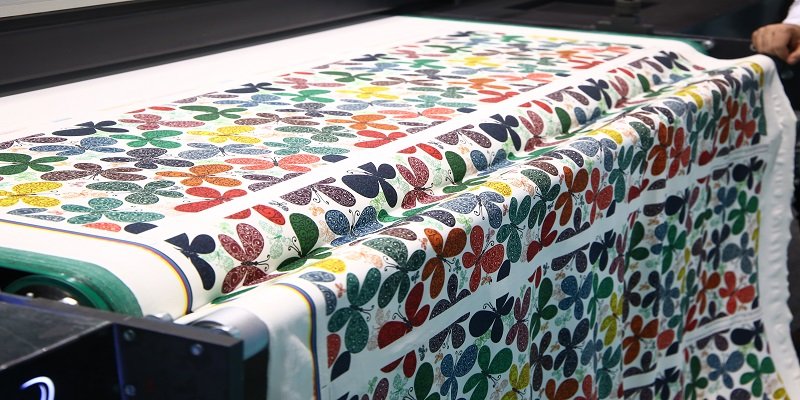
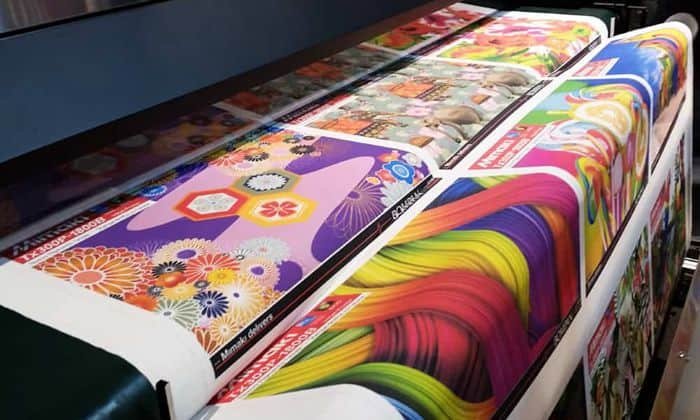
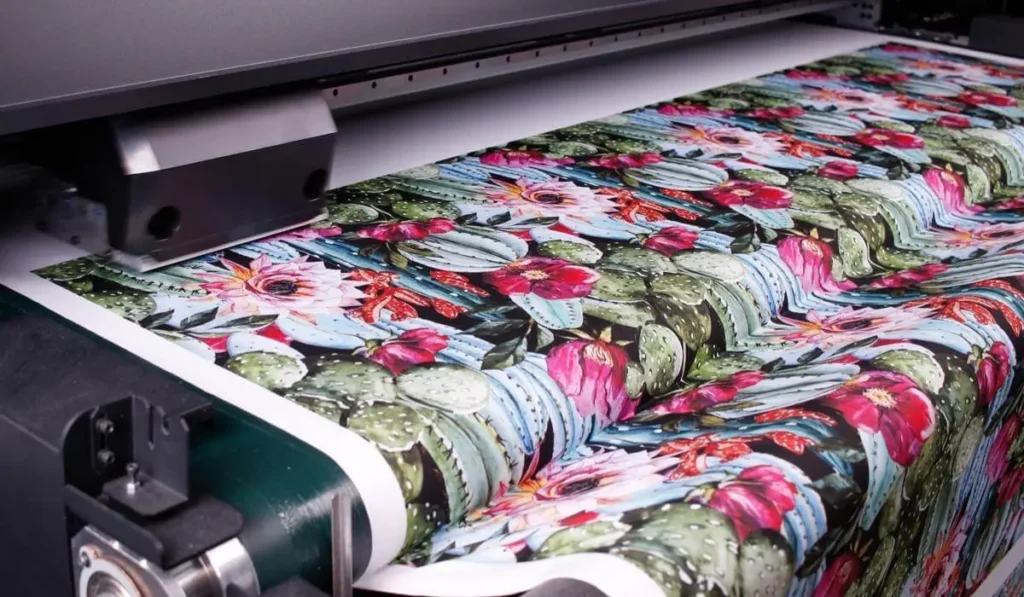
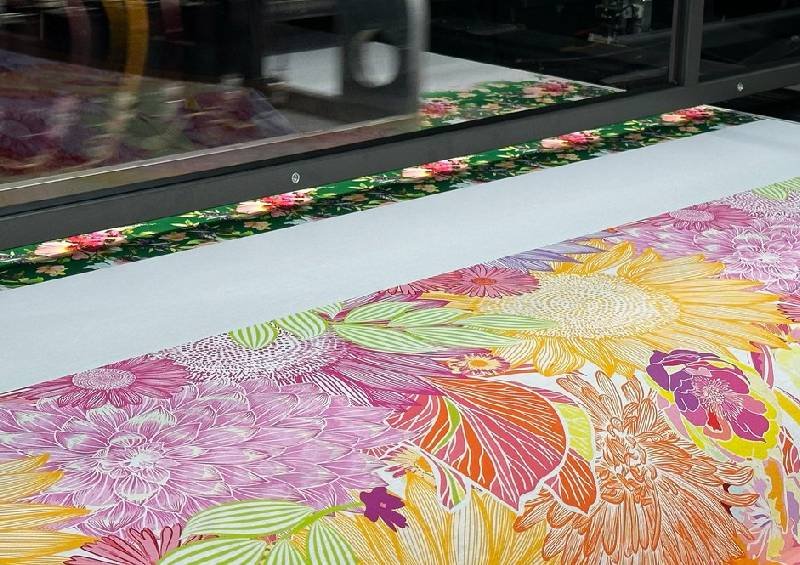
Digital textile printing uses advanced inkjet printers to deposit tiny droplets of ink directly onto fabric surfaces. Unlike traditional screen printing, which requires physical screens and setup for each design, inkjet systems read digital files and reproduce them instantly on textiles. This process is ideal for sampling because it eliminates the need for lengthy setup, reduces costs, and allows for virtually unlimited design variation.
The core principle behind inkjet-based textile sampling is straightforward: a digital design is created or modified using graphic software, then sent to a compatible printer. Specialized inks are applied to the fabric, which is then fixed using heat or steam, depending on the material and ink type. The result is a vibrant, detailed sample that closely matches the intended production output.
Key Steps in Using Inkjet Technology for Textile Sampling
Implementing inkjet technology for textile sampling involves several steps, each critical to achieving accurate and high-quality results:
- Design Preparation: Start by creating or editing your textile pattern using professional design software. Ensure the file is in a format compatible with your printer (such as TIFF or PSD) and that color profiles are correctly set for textile output.
- Fabric Selection and Pre-Treatment: Choose the appropriate fabric for your sample. Many textiles require pre-treatment to ensure optimal ink adhesion and color vibrancy. This step is especially important for natural fibers like cotton or silk.
- Printer Setup: Load the pre-treated fabric into the inkjet printer. Calibrate the printer settings for the specific fabric type, ink, and design resolution. Test prints may be necessary to fine-tune color accuracy.
- Printing Process: Send the digital design to the printer. The inkjet heads will deposit precise droplets of ink onto the fabric, reproducing the design with high fidelity.
- Fixation and Finishing: After printing, the fabric typically needs to be heat-fixed or steamed to set the inks and ensure durability. Post-treatment processes, such as washing or softening, may also be applied depending on the end use.
Advantages of Digital Inkjet Sampling in the Textile Industry
Adopting inkjet technology for textile sampling offers several compelling benefits:
- Speed: Digital sampling dramatically reduces turnaround time. Designs can be printed and reviewed within hours, allowing for rapid iteration and decision-making.
- Cost Efficiency: With no need for screens or plates, setup costs are minimal. This makes it economical to produce single samples or small batches, supporting agile product development.
- Design Flexibility: Inkjet systems can handle complex, multi-color, and photorealistic designs with ease. Modifications can be made instantly without additional setup.
- Sustainability: Digital methods use less water, energy, and chemicals compared to traditional printing. This supports more sustainable sampling and reduces environmental impact.
- Material Versatility: Inkjet printers can work with a wide range of fabrics, including cotton, polyester, silk, and blends, making them suitable for diverse applications.

Choosing the Right Inkjet System for Sampling
Selecting the optimal inkjet printer for textile sampling depends on several factors:
- Print Width and Speed: Consider the maximum fabric width and the speed at which the printer can produce samples. For rapid prototyping, a balance between speed and quality is essential.
- Ink Compatibility: Different printers use different ink types (reactive, acid, disperse, or pigment). Match the ink to your chosen fabric for best results.
- Resolution and Color Management: High-resolution printers and advanced color management systems ensure that samples accurately reflect the intended design.
- Ease of Maintenance: Look for systems that are user-friendly and easy to maintain, especially if you plan to produce samples frequently.
For a deeper dive into eco-friendly practices and the environmental impact of digital textile printing, consult this comprehensive overview of sustainable digital textile printing.
Best Practices for Efficient Textile Prototyping
To maximize the benefits of rapid textile sampling with inkjet technology, consider these best practices:
- Standardize Your Workflow: Develop a consistent process for file preparation, fabric pre-treatment, and printer calibration to ensure repeatable results.
- Color Proofing: Always run a color proof before finalizing your sample. Digital printers can reproduce a wide gamut, but subtle differences may occur depending on fabric and ink.
- Sample Multiple Fabrics: Test your design on different materials to evaluate how colors and details appear across substrates.
- Document Settings: Keep detailed records of printer settings, ink types, and finishing processes for each sample. This makes it easier to scale up to production or repeat successful results.
- Quality Control: Inspect samples for defects, color consistency, and durability. Address any issues early to avoid costly mistakes in later production stages.
Integrating Inkjet Sampling into Your Production Workflow
Integrating digital sampling into your textile development process can streamline communication between designers, manufacturers, and clients. By sharing digital files and physical samples quickly, teams can make informed decisions and reduce the risk of costly errors. This approach also supports on-demand manufacturing and micro-factory models, which are increasingly popular in the fashion industry for their flexibility and sustainability.
If you are considering expanding your capabilities, you may also benefit from understanding the benefits of micro-factory models for fashion printing and how they complement digital sampling methods.
Common Challenges and Solutions in Digital Textile Sampling
While using inkjet technology for textile sampling offers many advantages, some challenges may arise:
- Color Variability: Colors may appear differently on various fabrics or between digital and bulk production. Regular calibration and proofing help minimize discrepancies.
- Fabric Handling: Some textiles may stretch, shrink, or move during printing, affecting registration. Use appropriate tensioning systems and pre-treatment to stabilize the fabric.
- Ink Penetration: Achieving the right balance between surface color and ink penetration is crucial, especially for double-sided fabrics or those requiring wash durability.
- Post-Treatment: Inadequate fixation or finishing can lead to fading or poor hand feel. Always follow recommended post-processing steps for your chosen ink and fabric.
FAQ: Rapid Textile Sampling with Inkjet Printers
What types of fabrics can be sampled using inkjet technology?
Inkjet systems are compatible with a wide range of textiles, including natural fibers like cotton, silk, and linen, as well as synthetics such as polyester and nylon. The key is to match the ink type and pre-treatment to the fabric for optimal results.
How does digital sampling compare to traditional screen printing?
Digital sampling is faster, more flexible, and cost-effective for small runs and prototypes. Screen printing is better suited for large-volume production but requires more setup time and resources. For more on traditional methods, see this guide on what is manual vs automatic screen printing.
Is inkjet sampling environmentally friendly?
Yes, digital inkjet sampling typically uses less water, energy, and chemicals than conventional printing. Many modern inks are also designed to be eco-friendly, further reducing environmental impact.