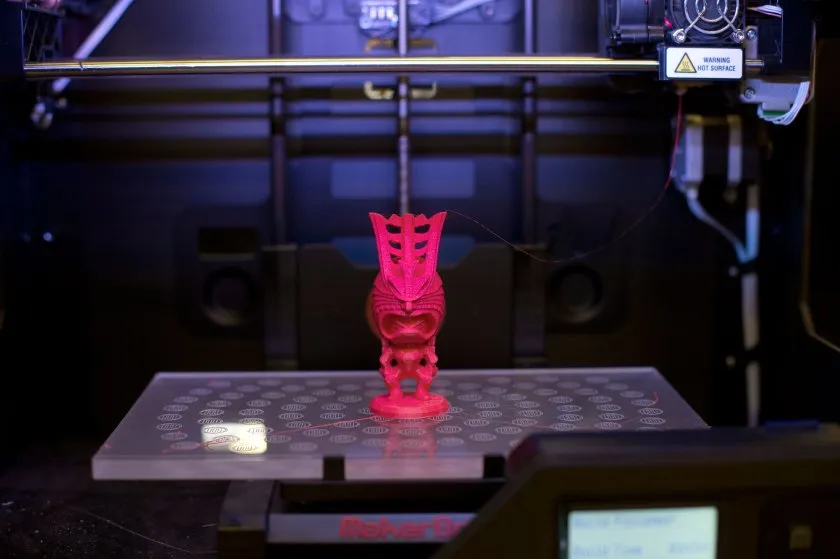
In recent years, the integration of 3D printing in education has transformed the way students engage with learning materials. This technology offers a unique opportunity for learners to interact with concepts in a tangible way, enhancing their understanding and retention of complex subjects. By providing students with the tools to create physical models of theoretical ideas, educators can foster a more interactive and engaging learning environment.
As educational institutions increasingly adopt this innovative approach, the potential for 3D printing to revolutionize traditional teaching methods becomes more apparent. From engineering and design to biology and history, the applications are vast and varied, making it an invaluable resource across multiple disciplines.
For those interested in exploring other printing techniques, you might find our guide on sublimation vs. direct to film printing insightful.
Benefits of 3D Printing for Students
One of the primary advantages of incorporating 3D printing into educational settings is the enhancement of hands-on learning. Students can design and fabricate models that represent real-world objects, allowing them to visualize and understand abstract concepts more effectively. This experiential learning approach not only aids in comprehension but also encourages creativity and problem-solving skills.
Moreover, 3D printing can cater to various learning styles. Visual learners benefit from seeing their designs come to life, while kinesthetic learners gain from the tactile experience of handling the models. This inclusivity ensures that all students have the opportunity to engage with the material in a way that suits their individual learning preferences.
Implementing 3D Printing in the Classroom
To successfully integrate 3D printing into the classroom, educators should start by identifying the subjects and topics that would benefit most from this technology. Subjects such as mathematics, science, and art are particularly well-suited for 3D printing projects. Teachers can then develop lesson plans that incorporate the design and creation of 3D models, aligning these activities with the curriculum objectives.
It’s essential to provide students with access to user-friendly design software and reliable 3D printers. Many educational institutions partner with companies that specialize in educational technology to ensure they have the necessary resources and support. For example, Autodesk offers a range of tools and solutions tailored for educational purposes.
Challenges and Considerations
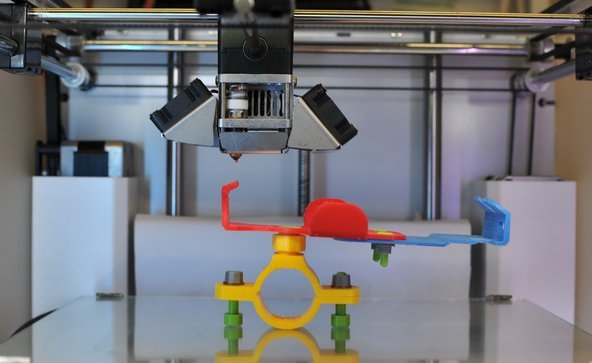
While the benefits of 3D printing in educational settings are significant, there are also challenges to consider. The initial cost of purchasing 3D printers and materials can be a barrier for some schools. Additionally, educators need to be adequately trained to use the technology and integrate it effectively into their teaching practices.
Another consideration is the time required for students to learn the design software and complete their projects. Teachers must balance the time spent on 3D printing activities with the rest of the curriculum to ensure that all learning objectives are met.
Future Prospects of 3D Printing in Schools
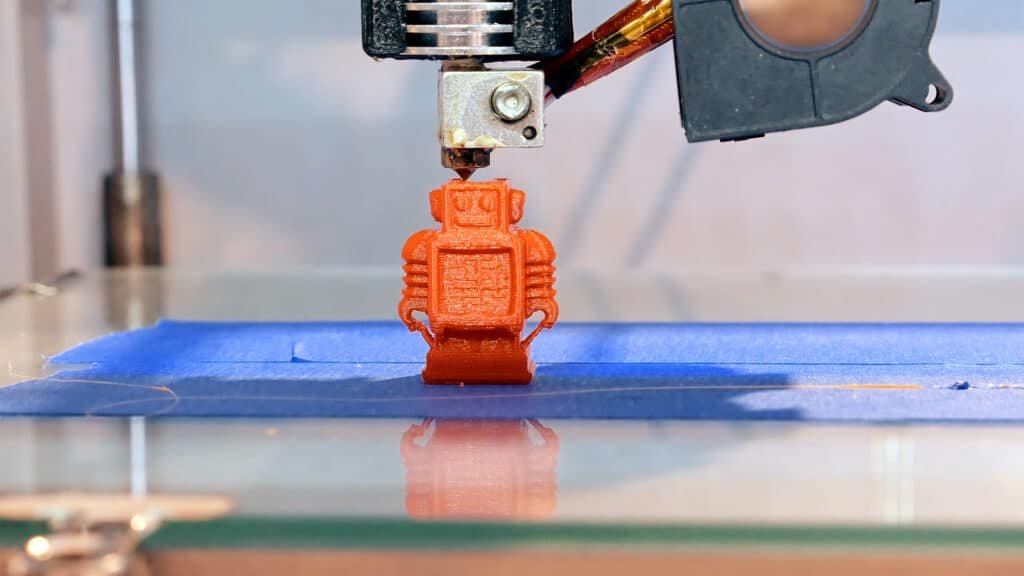
As technology continues to evolve, the role of 3D printing in educational environments is expected to expand. Future developments may include more affordable and user-friendly printers, as well as advanced materials that allow for more complex and durable models. Additionally, as more educators become familiar with the technology, the integration of 3D printing into the curriculum will likely become more seamless.
Ultimately, the goal is to prepare students for a future where technological literacy is crucial. By incorporating 3D printing into their education, students gain valuable skills that will serve them well in their academic and professional lives.
FAQs
What Are the Benefits of 3D Printing in Education?
3D printing enhances hands-on learning, supports various learning styles, and encourages creativity and problem-solving skills among students.
How Can Schools Afford 3D Printing Technology?
Schools can explore partnerships with educational technology companies, apply for grants, and prioritize budget allocations to incorporate 3D printing technology.
What Subjects Benefit Most from 3D Printing?
Subjects such as mathematics, science, engineering, and art can greatly benefit from the use of 3D printing, as it allows students to visualize and interact with complex concepts.